综合智慧能源 ›› 2026, Vol. 48 ›› Issue (1): 1-12.doi: 10.3969/j.issn.2097-0706.2026.01.001
• AI 驱动的新能源功率预测与优化 • 下一篇
殷林飞( ), 周扬钢()
收稿日期:2025-07-28
修回日期:2025-09-23
出版日期:2026-01-25
作者简介:殷林飞(1990),男,副教授,博士,从事机组组合、经济调度、自动发电控制、人工智能方法等方面的研究, yinlinfei@gxu.edu.cn;基金资助:
YIN Linfei(), ZHOU Yanggang()
Received:2025-07-28
Revised:2025-09-23
Published:2026-01-25
Supported by:摘要:
为了提高光伏发电功率等级分类准确性以适应行业要求,提出了一种基于Res-MobileCom并行网络的分类模型。在数据处理中使用去归一化的双线性插值法最大限度保留数据特征,然后通过简化残差网络(ResNet)和用于移动视觉的高效卷积神经网络(MobileNet)结构并行训练后将其输出联合输入信道估计-信号检测网络(ComNet)中进一步提取数据特征,最终得到分类结果。试验结果表明:相比于常见的深度学习模型,Res-MobileCom模型保持了ResNet和MobileNet的特征提取能力和轻量性,模型具备较好的平衡性和泛化能力;采用去归一化双线性插值法和进一步提取数据特征的ComNet后,模型准确率提高了10百分点以上,为提高光伏发电功率等级分类模型的准确率提供了新的方法和思路。未来工作将围绕稳定性优化、跨任务验证及工程化部署展开。
中图分类号:
殷林飞, 周扬钢. 基于Res-MobileCom并行网络的光伏发电功率等级分类[J]. 综合智慧能源, 2026, 48(1): 1-12.
YIN Linfei, ZHOU Yanggang. Photovoltaic power level classification based on Res-MobileCom parallel network[J]. Integrated Intelligent Energy, 2026, 48(1): 1-12.
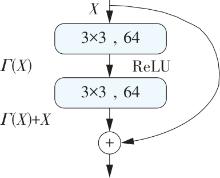
图1
残差单元
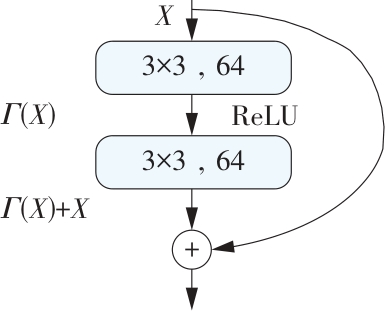
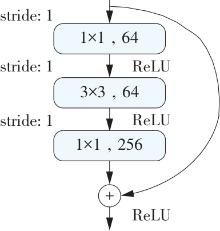
图2
Bottleneck结构
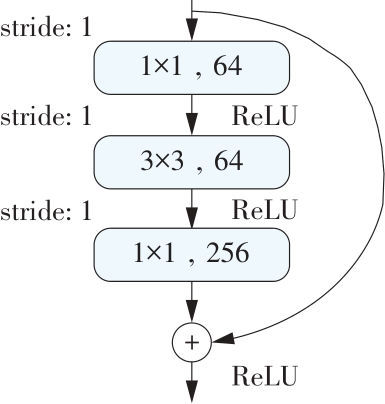
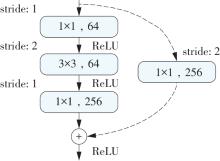
图3
虚线BottleBlock结构
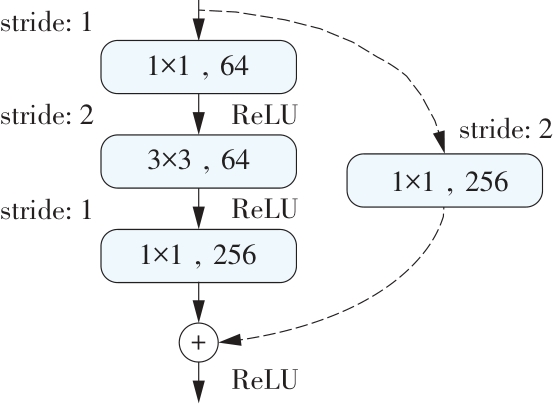
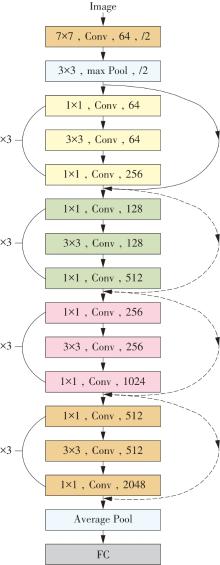
图4
ResNet101结构
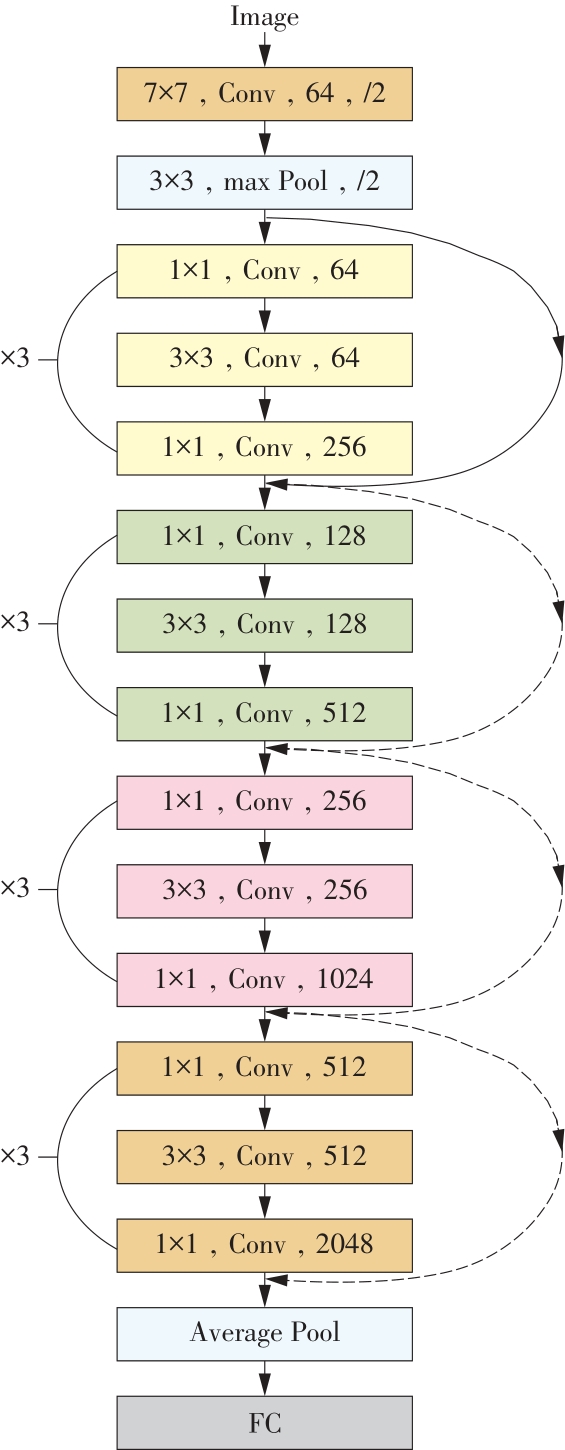
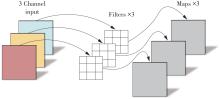
图5
深度卷积结构
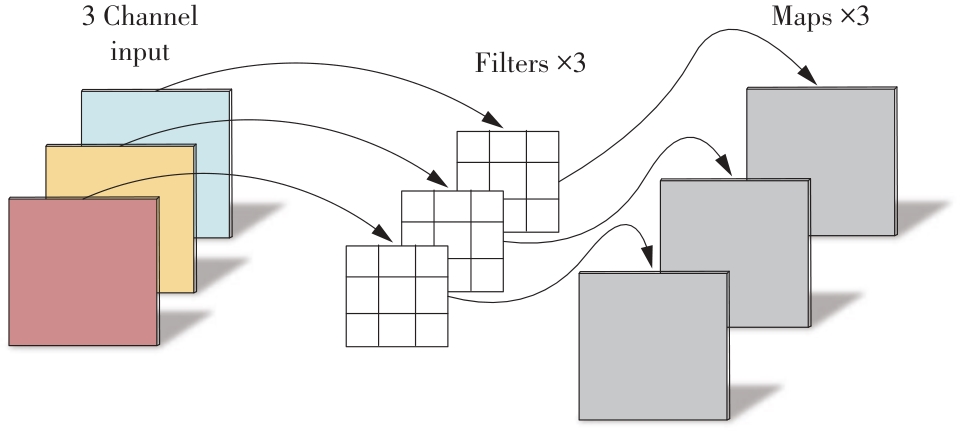
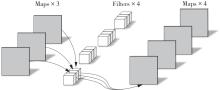
图6
点卷积结构
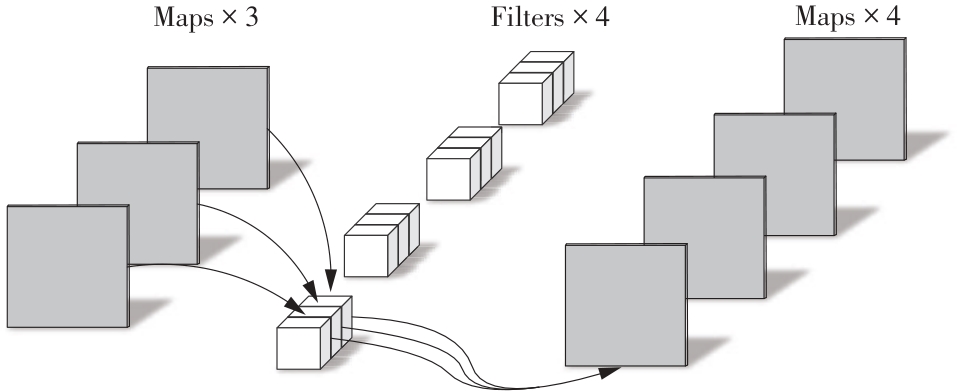
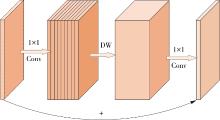
图7
倒残差模块
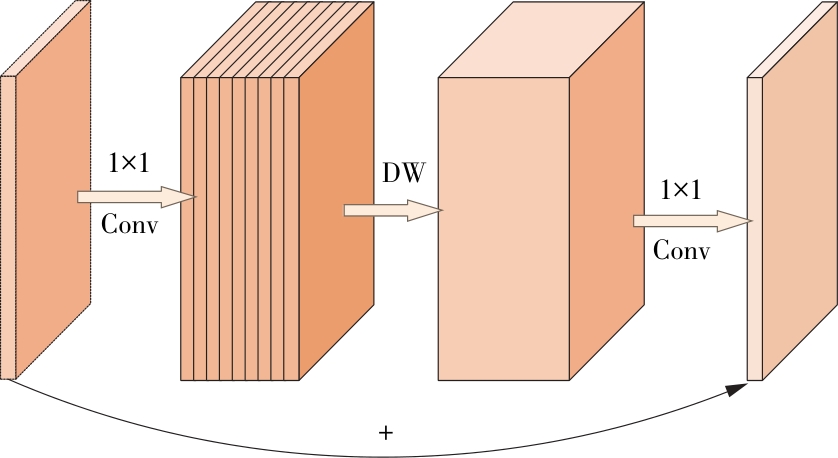
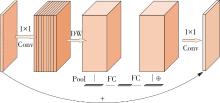
图8
含SE的倒残差模块
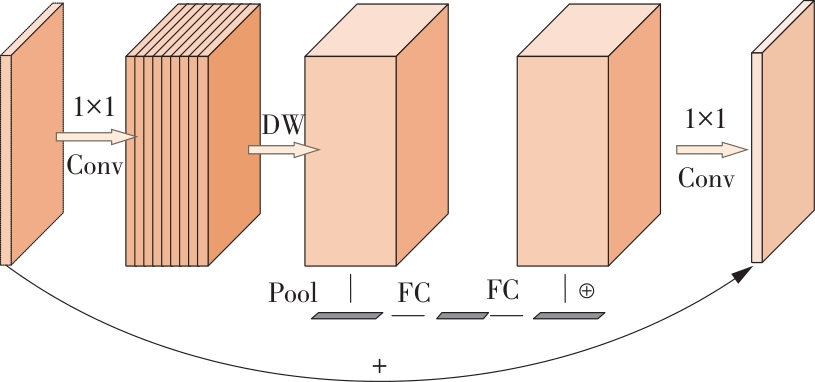
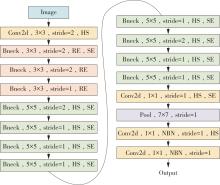
图9
MobileNetV3large结构
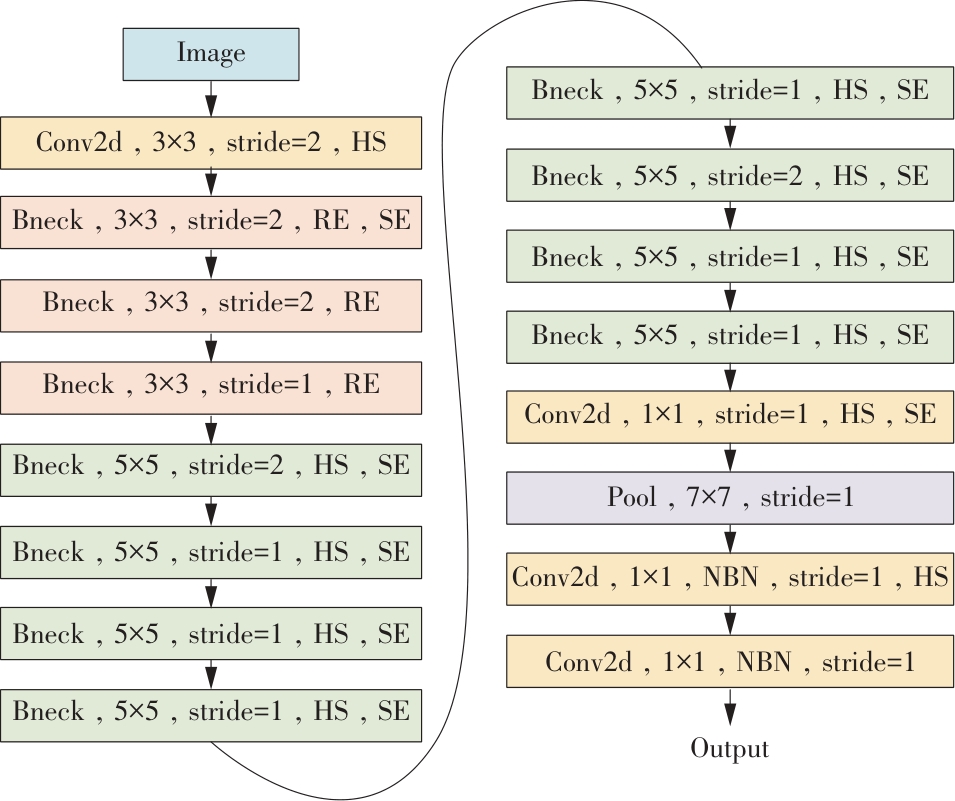
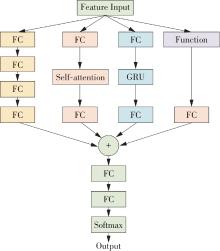
图10
ComNet结构
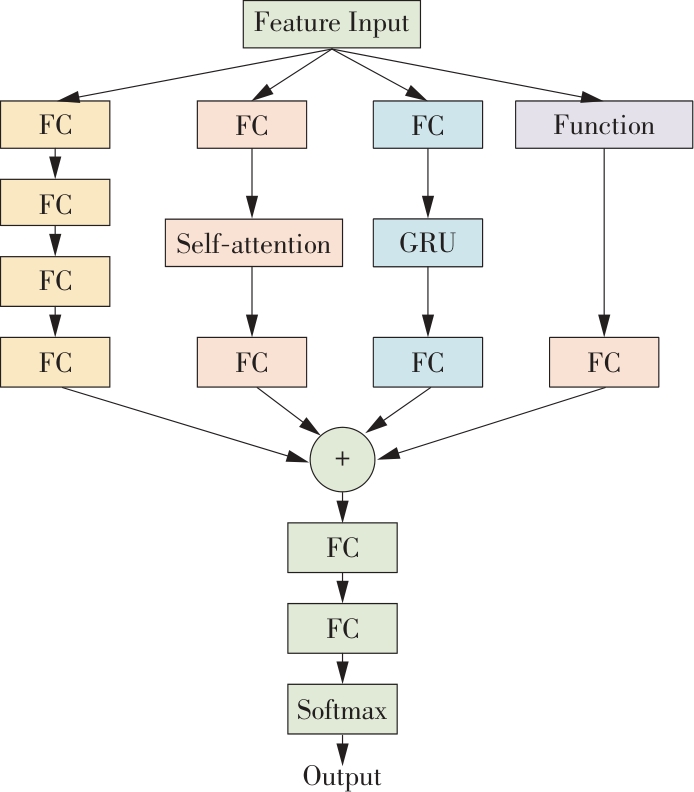
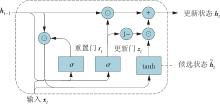
图11
GRU结构
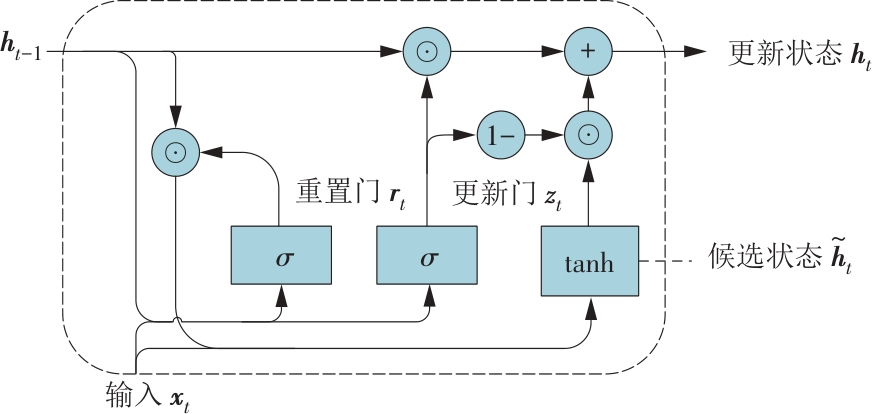
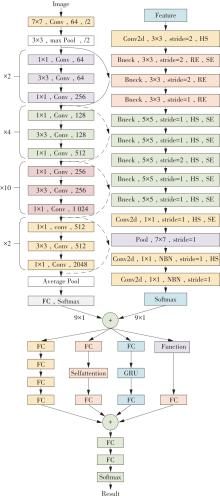
图12
RMC网络结构
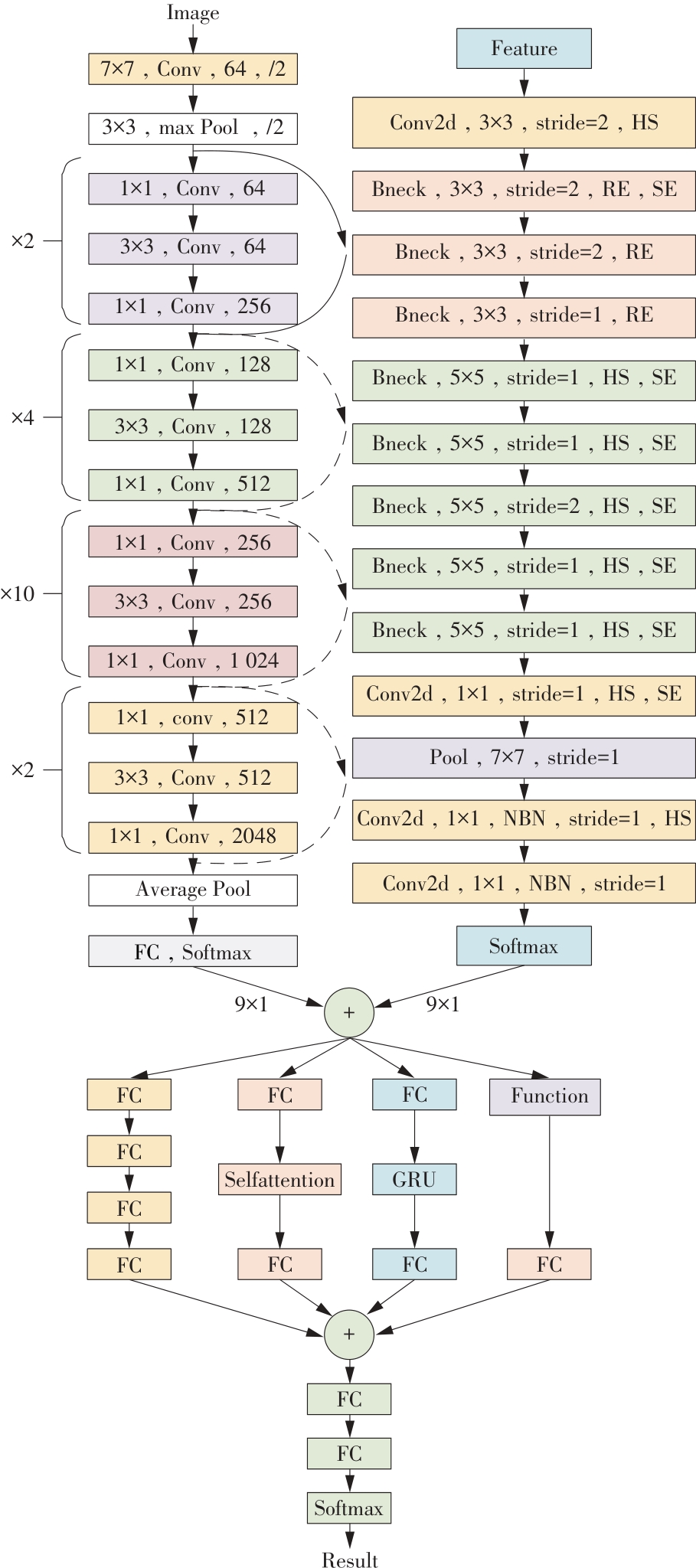
表1
功率等级定义
| 功率等级 | 平均功率 | 功率等级 | 平均功率 |
|---|---|---|---|
| f1 | 239.220 | f6 | 3 750.000 |
| f2 | 396.000 | f7 | 2 000.000 |
| f3 | 397.870 | f8 | 500.000 |
| f4 | 332.395 | f9 | 6 000.000 |
| f5 | 201.140 |
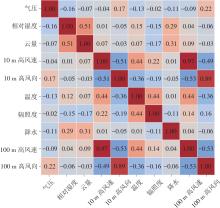
图13
数据集1训练集热力图
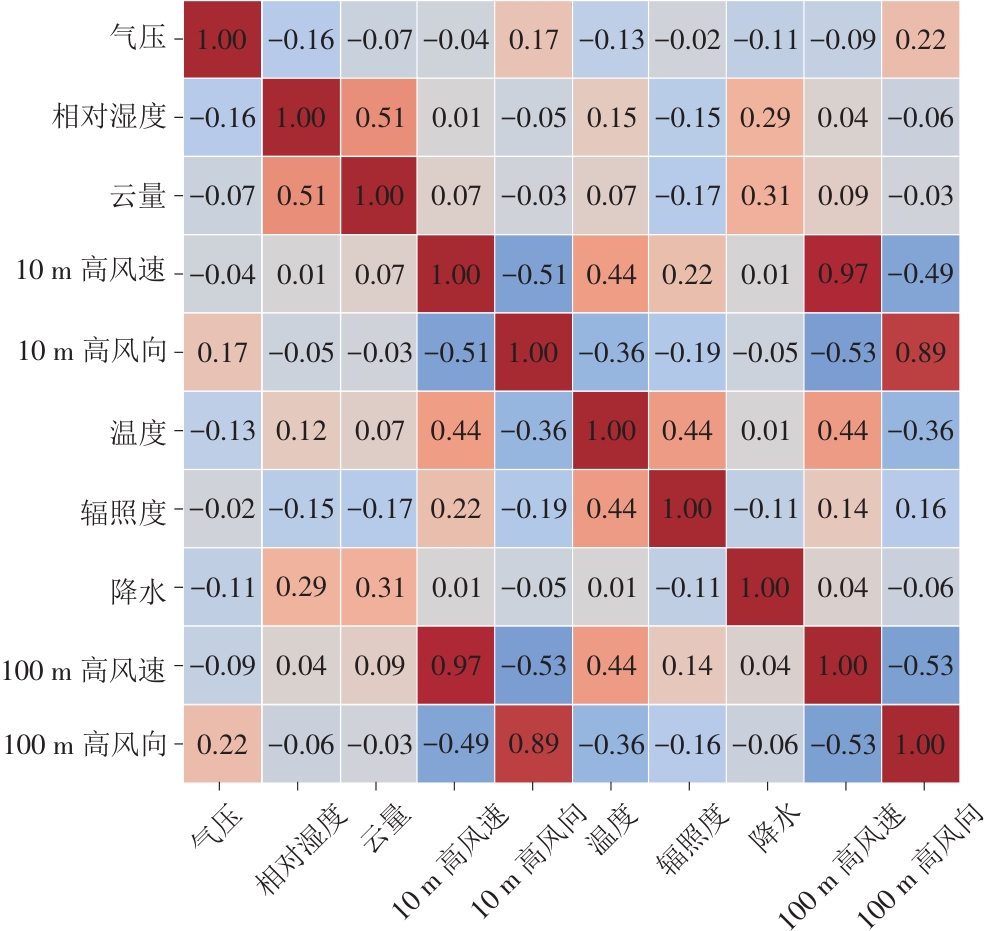
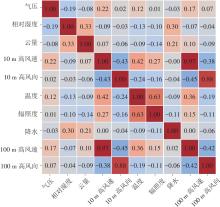
图14
数据集1测试集热力图
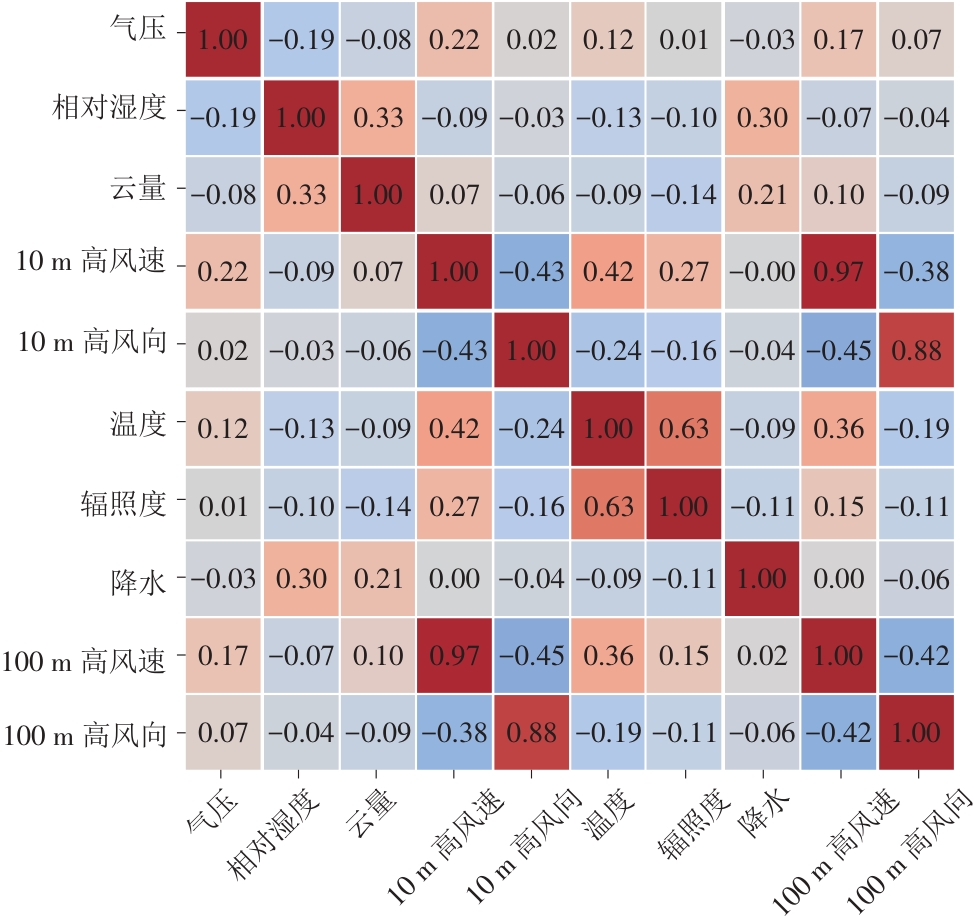
图15
数据集2训练集热力图
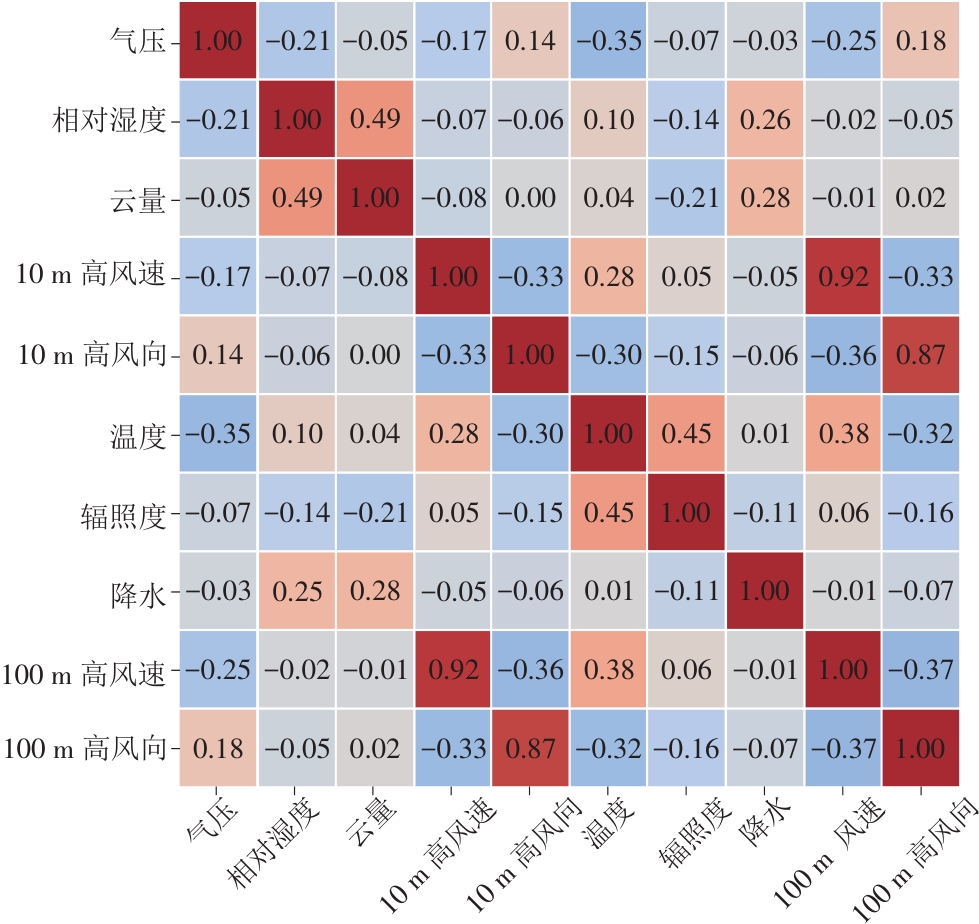
图16
数据集2测试集热力图
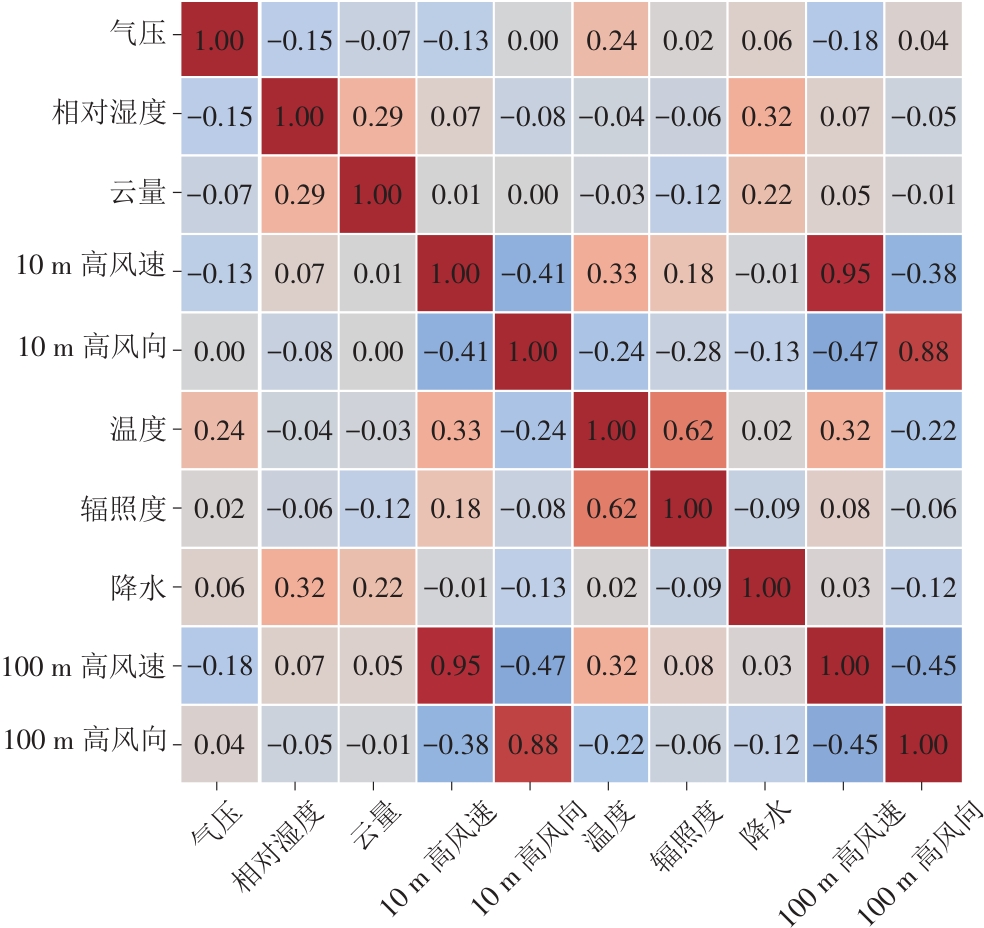
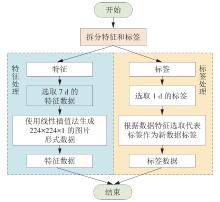
图17
数据处理流程
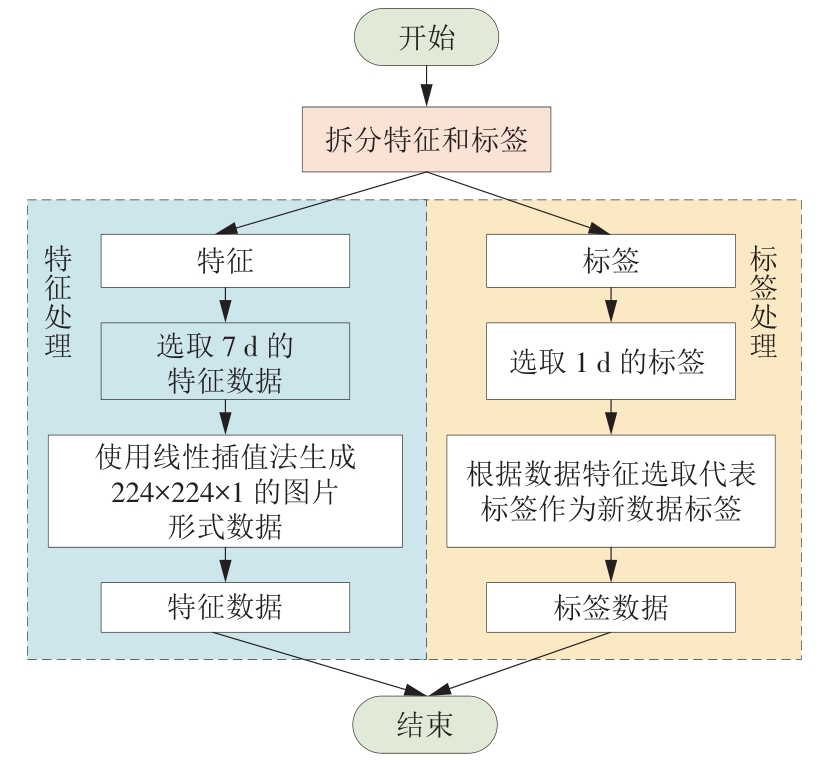
表2
数据处理准确率对比
| 模型 | Letterbox | 双线性插 值法 | 去归一化双线性插值法 |
|---|---|---|---|
| InceptionV1 | 0.111 0 | 0.111 0 | 0.099 9 |
| InceptionV2 | 0.111 1 | 0.111 0 | 0.113 7 |
| Inception-ResNetV1 | 0.111 0 | 0.111 0 | 0.115 1 |
| Inception-ResNetV2 | 0.111 0 | 0.111 0 | 0.113 7 |
| ShuffleunitNet | 0.111 1 | 0.111 0 | 0.119 3 |
| SqueezeNet | 0.111 0 | 0.111 0 | 0.099 9 |
| DenseNet121 | 0.111 1 | 0.111 0 | 0.221 9 |
| ResNet18 | 0.111 1 | 0.111 0 | 0.567 1 |
| ResNet50 | 0.111 0 | 0.111 1 | 0.620 0 |
| ResNet101 | 0.111 1 | 0.111 1 | 0.636 1 |
| MobileNetV1 | 0.111 1 | 0.111 0 | 0.111 0 |
| MobileNetV2 | 0.111 0 | 0.111 0 | 0.155 3 |
| MobileNetV3 | 0.111 1 | 0.111 1 | 0.111 0 |
表3
超参数设置
| 参数 | 数值 |
|---|---|
| 学习率 | 0.01 |
| 批次 | 32 |
| 输入通道数 | 1 |
| 输入数据尺寸 | 224×224 |
| 损失函数 | 交叉熵损失函数 |
| 优化器 | 随机梯度下降优化器 |
表4
数据集1测试数据模型对比
| 模型 | 准确率 | 精确率 | 召回率 | F1分数 |
|---|---|---|---|---|
| InceptionV1 | 0.099 9 | 0.010 0 | 0.099 9 | 0.018 1 |
| InceptionV2 | 0.113 7 | 0.012 9 | 0.113 7 | 0.023 2 |
| Inception-ResNetV1 | 0.115 1 | 0.125 2 | 0.115 1 | 0.032 4 |
| Inception-ResNetV2 | 0.113 7 | 0.012 9 | 0.113 7 | 0.023 2 |
| ShuffleunitNet | 0.119 3 | 0.014 2 | 0.119 3 | 0.025 4 |
| SqueezeNet | 0.099 9 | 0.010 0 | 0.099 9 | 0.018 1 |
| DenseNet121 | 0.221 9 | 0.062 7 | 0.221 9 | 0.096 7 |
| ResNet18 | 0.567 1 | 0.564 9 | 0.567 1 | 0.549 2 |
| ResNet50 | 0.620 0 | 0.616 7 | 0.620 0 | 0.597 6 |
| ResNet101 | 0.636 1 | 0.634 2 | 0.636 1 | 0.599 6 |
| MobileNetV1 | 0.111 0 | 0.012 3 | 0.111 0 | 0.022 2 |
| MobileNetV2 | 0.155 3 | 0.085 4 | 0.155 3 | 0.107 5 |
| MobileNetV3 | 0.111 0 | 0.012 3 | 0.111 0 | 0.022 2 |
| Res-MobileComNet | 0.726 8 | 0.734 4 | 0.726 8 | 0.721 3 |
表5
数据集1消融模型对比
| 模型 | 准确率 |
|---|---|
| LightResNet | 0.636 6 |
| LightMobileNetV3large | 0.632 5 |
| Res-MobileCom | 0.726 8 |
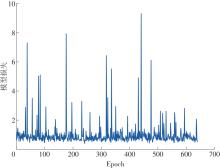
图18
数据集1损失曲线
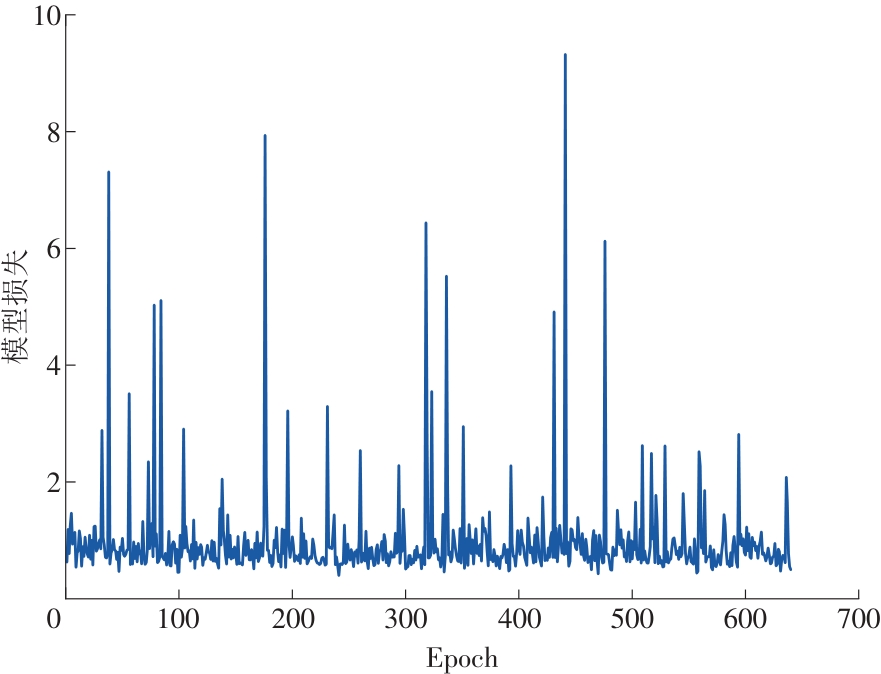
表6
数据集2测试数据模型对比
| 模型 | 准确率 | 精确率 | 召回率 | F1分数 |
|---|---|---|---|---|
| InceptionV1 | 0.070 0 | 0.004 9 | 0.070 0 | 0.009 2 |
| InceptionV2 | 0.090 0 | 0.008 1 | 0.090 0 | 0.014 9 |
| Inception-ResNetV1 | 0.180 0 | 0.032 4 | 0.180 0 | 0.054 9 |
| Inception-ResNetV2 | 0.120 0 | 0.014 4 | 0.120 0 | 0.025 7 |
| ShuffleunitNet | 0.090 0 | 0.008 1 | 0.090 0 | 0.014 9 |
| SqueezeNet | 0.080 0 | 0.006 4 | 0.080 0 | 0.011 9 |
| DenseNet121 | 0.470 0 | 0.364 1 | 0.470 0 | 0.395 3 |
| ResNet18 | 0.310 0 | 0.241 2 | 0.310 0 | 0.348 6 |
| ResNet50 | 0.340 0 | 0.219 5 | 0.340 0 | 0.266 1 |
| ResNet101 | 0.420 0 | 0.348 7 | 0.420 0 | 0.365 2 |
| MobileNetV1 | 0.120 0 | 0.014 4 | 0.120 0 | 0.025 7 |
| MobileNetV2 | 0.320 0 | 0.210 9 | 0.320 0 | 0.201 6 |
| MobileNetV3 | 0.410 0 | 0.286 0 | 0.410 0 | 0.322 8 |
| Res-MobileComNet | 0.630 0 | 0.573 1 | 0.630 0 | 0.588 5 |
表7
数据集2消融模型对比
| 模型 | 准确率 |
|---|---|
| LightResNet | 0.400 0 |
| LightMobileNetV3large | 0.410 0 |
| Res-MobileCom | 0.630 0 |
图19
数据集2损失曲线
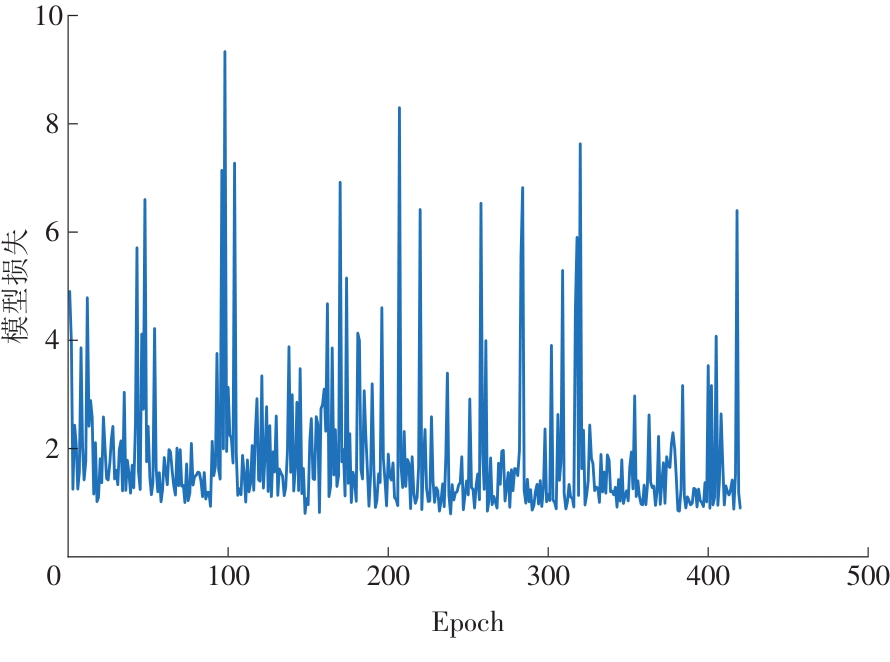
表8
大小数据集对比
| 分析维度 | 小数据集 | 大数据集 |
|---|---|---|
| 训练集准确率 | 45 | 52 |
| 测试集准确率 | 63 | 72 |
| 拟合缺口 | 18 | 20 |
表9
显著性检验结果
| 数据集 | 统计量 | P值 |
|---|---|---|
| 1 | 64.49 | 0.000 08 |
| 2 | 12.25 | 0.000 46 |
表10
Function模块消融试验结果
| Function模块形式 | 测试集准确率 |
|---|---|
| 51 | |
| 63 |
表11
轻量性分析
| 项目 | LightResNet | LightMobile NetV3large | ComNet |
|---|---|---|---|
| 训练时间/s | 5.80 | 2.05 | 0.11 |
| 推理时间/s | 0.359 1 | 0.123 4 | 0.008 6 |
| 内存占用/MB | 1 332.12 | 1 275.95 | 0.02 |
| 参数量/MB | 135.200 | 2.990 | 0.124 |
| [1] |
何兴, 王旭, 许野, 等. 光伏产业与环境支撑体系的耦合协调研究[J]. 太阳能学报, 2023, 44(9): 194-203.
doi: 10.19912/j.0254-0096.tynxb.2022-0724 |
|
HE Xing, WANG Xu, XU Ye, et al. Study on coupling coordination between photovoltaic industry and environmental support system[J]. Acta Energiae Solaris Sinica, 2023, 44(9): 194-203.
doi: 10.19912/j.0254-0096.tynxb.2022-0724 |
|
| [2] |
叶幸, 邱辰, 艾琳, 等. “双碳”目标下可再生能源绿证与碳交易衔接机制的思考[J]. 综合智慧能源, 2025, 47(5): 12-20.
doi: 10.3969/j.issn.2097-0706.2025.05.002 |
|
YE Xing, QIU Chen, AI Lin, et al. Connection mechanism between green certificates and carbon trading mechanism under the "double carbon" target[J]. Integrated Intelligent Energy, 2025, 47(5): 12-20.
doi: 10.3969/j.issn.2097-0706.2025.05.002 |
|
| [3] | 王剑斌, 傅金波, 陈博. 基于强化学习的多模型融合光伏发电功率预测方法[J]. 太阳能学报, 2024, 45(6): 382-388. |
| WANG Jianbin, FU Jinbo, CHEN Bo. Multi-model fusion photovoltaic power generation prediction method based on reinforcement learning[J]. Acta Energiae Solaris Sinica, 2024, 45(6): 382-388. | |
| [4] | 江泽涛. 深度学习在光伏系统短期发电功率预测的应用研究[D]. 北京: 华北电力大学, 2024. |
| JIANG Zetao. Research on the application of deep learning in short-term generation power prediction of photovoltaic system[D]. Beijing: North China Electric Power University, 2024. | |
| [5] | 张研, 景超, 王慧民, 等. 基于周期注意力机制的中长期光伏发电功率预测[J]. 太阳能学报, 2024, 45(10): 298-308. |
| ZHANG Yan, JING Chao, WANG Huimin, et al. Medium and long term photovoltaic power prediction based on periodic attention mechanism[J]. Acta Energiae Solaris Sinica, 2024, 45(10): 298-308. | |
| [6] | 彭曙蓉, 陈慧霞, 孙万通, 等. 基于改进LSTM的光伏发电功率预测方法研究[J]. 太阳能学报, 2024, 45(11): 296-302. |
| PENG Shurong, CHEN Huixia, SUN Wantong, et al. Research on photovoitaic power prediction method based on improved LSTM[J]. Acta Energiae Solaris Sinica, 2024, 45(11): 296-302. | |
| [7] | 温廷新, 郭晓赛. 基于特征组合的ECA-TCN光伏发电功率预测模型[J]. 太阳能学报, 2024, 45(12): 94-100. |
| WEN Tingxin, GUO Xiaosai. ECA-TCN photovoltaic power prediction model based on feature combination[J]. Acta Energiae Solaris Sinica, 2024, 45(12): 94-100. | |
| [8] | 王玲芝, 李晨阳, 刘婧, 等. 基于GRO-SSA-LSTM的短期光伏发电功率预测[J]. 太阳能学报, 2025, 46(2): 401-409. |
| WANG Lingzhi, LI Chenyang, LIU Jing, et al. Short term photovoltaic power prediction based on GRO-SSA-LSTM[J]. Acta Energiae Solaris Sinica, 2025, 46(2): 401-409. | |
| [9] | 冯建铭, 希望·阿不都瓦依提, 蔺红. 基于聚类SABO-VMD和组合神经网络的短期光伏发电功率预测[J]. 太阳能学报, 2025, 46(2): 357-366. |
| FENG Jianming, ABUDUWAYITI Xiwang, LIN Hong. Short-term PV power forecasting based on clustering SABO-VMD and ensemble neural networks[J]. Acta Energiae Solaris Sinica, 2025, 46(2): 357-366. | |
| [10] | 李超, 涂腾, 彭勋辉, 等. 融合DT-BO-GRU的中长期光伏功率滚动预测模型[J]. 太阳能学报, 2025, 46(5): 275-284. |
| LI Chao, TU Teng, PENG Xunhui, et al. Medium-and long-term rolling prediction model of pv power fused with DT-BO-GRU[J]. Acta Energiae Solaris Sinica, 2025, 46(5): 275-284. | |
| [11] |
YILDIZ C, ACIKGOZ H, KORKMAZ D, et al. An improved residual-based convolutional neural network for very short-term wind power forecasting[J]. Energy Conversion and Management, 2021, 228:113731.
doi: 10.1016/j.enconman.2020.113731 |
| [12] | ANG P Z, CHEN D, HOU Y S. Entropy method combined with extreme learning machine method for the short-term photovoltaic power generation forecasting[J]. Chaos Solitons & Fractals, 2015,89: 243-248. |
| [13] |
DASH D R, DASH P K, RANJEETA B. Short term solar power forecasting using hybrid minimum variance expanded RVFLN and Sin-Cosine Levy Flight PSO algorithm[J]. Renewable Energy, 2021, 174: 513-537.
doi: 10.1016/j.renene.2021.04.088 |
| [14] |
DUAN Z H, LU M, MA J, et al. QARV: Quantization-aware ResNet VAE for lossy image compression[J]. IEEE Transactions on Pattern Analysis and Machine Intelligence, 2024, 46(1): 436-450.
doi: 10.1109/TPAMI.2023.3322904 |
| [15] |
HAN Y M, CAO LIAN, GENG Z Q, et al. Novel economy and carbon emissions prediction model of different countries or regions in the world for energy optimization using improved residual neural network[J]. Science of the Total Environment, 2023, 860:160410.
doi: 10.1016/j.scitotenv.2022.160410 |
| [16] | MICHAEL R, SAMANTHA H, MEAGHAN S, et al. An AI based smart-phone system for asbestos identification[J]. Journal of Hazardous Materials, 2024,463:132853. |
| [17] |
JIANG T Y, LI L Y, SAMALI B, et al. Lightweight object detection network for multi-damage recognition of concrete bridges in complex environments[J]. Computer-Aided Civil and Infrastructure Engineering, 2024, 39(23): 3646-3665.
doi: 10.1111/mice.v39.23 |
| [18] | QIAN S Y, NING C R, HU Y P. MobileNetV3 for image classification[C]// IEEE International Conference on Big Data, 2021: 490-497. |
| [19] | CUI Y, XIA J B, WANG Z T, et al. Lightweight spectral-spatial attention network for hyperspectral image classification[J]. IEEE Transactions on Geoscience and Remote Sensing, 2021, 60: 5510114. |
| [20] |
PRASAD S B R, CHANDANA B S. MobileNetV3: A deep learning technique for human face expressions identification[J]. International Journal of Information Technology, 2023, 15(6): 3229-3243.
doi: 10.1007/s41870-023-01380-x |
| [21] | XIAO P C, XU W G, ZHANG Y, et al. Research on scrap classification and rating method based on SE attention mechanism[J]. Chinese Journal of Engineering, 2023, 45(8):1342-1352. |
| [22] | LI Z Y, DENG X Y, ZHANG L M. et al. Dual-channel CNN structure based on swish activation function[J]. Computer & Digital Engineering, 2020, 48(6): 1413-1416. |
| [23] | JIANG A B, WANG W W. Research on optimization of ReLU activation function[J]. Transducer and Microsystem Technologies, 2018, 37(2):50-52. |
| [24] | HOWARD A, SANDLER M, CHU G, et al. Searching for MobileNetV3[C]// Proceedings of the IEEE/CVF International Conference on Computer Vision, 2019: 1314-1324. |
| [25] | 刘岱, 李晨辉. 基于Inception-BiLSTM的航空电缆电弧故障检测[J]. 科学技术与工程, 2025, 25(14):6100-6108. |
| LIU Dai, LI Chenhui. Aviation cable arc fault detection based on Inception-BiLSTM[J]. Science Technology and Engineering, 2025, 25(14): 6100-6108. | |
| [26] | 毕贵红, 孔凡文, 黄泽, 等. 基于Inception和注意力机制的双分支日前电价预测[J]. 电力系统自动化, 2025, 49(5): 128-144. |
| BI Guihong, KONG Fanwen, HUANG Ze, et al. Double-branch day-ahead electricity price forecasting based on Inception and attention mechanism[J]. Automation of Electric Power Systems, 2025, 49(5): 128-144. | |
| [27] | MAN W Y, YANG G Q, FENG S R. Joint selfattention-SVM DDoS attack detection and defense mechanism based on self-attention mechanism and SVM classification for SDN networks[C]// IEICE Transactions on Fundamentals of Electronics Communications and Computer Sciences, 2023:881-889. |
| [28] | SUN N, XU W, LIU J X, et al. The multimodal scene recognition method based on self-attention and distillation[J]. IEEE Multimedia, 2024:31(4):25-36. |
| [29] |
杨澜倩, 郭锦敏, 田慧丽, 等. 基于CNN-LSTM-Self attention的园区负荷多尺度预测研究[J]. 综合智慧能源, 2025, 47(2): 79-87.
doi: 10.3969/j.issn.2097-0706.2025.02.008 |
|
YANG Lanqian, GUO Jinmin, TIAN Huili, et al. Research on multi-scale load prediction in parks based on CNN-LSTM-Self attention[J]. Integrated Intelligent Energy, 2025, 47(2): 79-87.
doi: 10.3969/j.issn.2097-0706.2025.02.008 |
|
| [30] | FANTINI D, SILVA R, SIQUEIRA M, et al. Wind speed short-term prediction using recurrent neural network GRU model and stationary wavelet transform GRU hybrid model[J]. Energy Conversion and Management, 2024,308:118333. |
| [1] | 殷林飞, 仝博文, 李雯吉. 基于多尺度卷积-残差网络的短期风电预测[J]. 综合智慧能源, 2025, 47(6): 1-10. |
| [2] | 张冬冬, 李芳凝, 刘天皓. 新型电力系统负荷预测关键技术及多元场景应用[J]. 综合智慧能源, 2025, 47(3): 47-61. |
| [3] | 邓振宇, 汪茹康, 徐钢, 云昆, 王颖. 综合能源系统中热电联产机组故障预警现状[J]. 综合智慧能源, 2024, 46(8): 67-76. |
| [4] | 王亮, 邓松. 面向新型电力系统的异常数据检测方法[J]. 综合智慧能源, 2024, 46(5): 12-19. |
| [5] | 吕永升, 张啸宇, 王榕夕, 郭佩乾. 联邦学习在新型电力系统中的应用与展望[J]. 综合智慧能源, 2024, 46(11): 54-64. |
| [6] | 张文强, 李加树, 宣洋, 李辰, 钱杭, 张啸宇. 基于多尺度融合和改进YOLOv8n的光伏缺陷检测方法[J]. 综合智慧能源, 2024, 46(11): 29-37. |
| [7] | 李方一, 李楠, 周琰, 谢武. 基于多维数据与深度学习的区域发电碳排放因子预测研究[J]. 综合智慧能源, 2023, 45(8): 11-17. |
| [8] | 房瑞, 段志勇, 刘在智, 王宇轩, 刘辰希, 李浩, 范垂钢. 海洋垃圾治理技术综述[J]. 综合智慧能源, 2023, 45(5): 70-79. |
| [9] | 林泓宏, 余涛, 张桂源, 张孝顺. 基于数据驱动的高比例新能源配电网无功优化算法[J]. 综合智慧能源, 2023, 45(11): 10-19. |
| [10] | 吕政权, 李朝阳, 王海峰, 陈怡君, 彭道刚. 基于GRU-CNN的综合能源网络安全攻击检测方法[J]. 华电技术, 2021, 43(2): 9-14. |
| [11] | 肖新帅, 田秀霞, 徐曼. 基于端到端算法的绝缘子检测技术研究[J]. 华电技术, 2021, 43(2): 28-33. |
| [12] | 李小斌, 张红娜, 曲凯阳, 李凤臣 . 核能集中供热系统优越性分析[J]. 华电技术, 2020, 42(11): 69-82. |
| 阅读次数 | ||||||
|
全文 |
|
|||||
|
摘要 |
|
|||||