Integrated Intelligent Energy ›› 2026, Vol. 48 ›› Issue (6): 46-56.doi: 10.3969/j.issn.2097-0706.2026.06.004
• Thermal Energy Storage Material and Technology • Previous Articles Next Articles
ZHANG Yue1( ), ZHAI Rongrong1,*(), LI Jingwei1(), PAN Wenxin1(), CHEN Yong'an1,2()
Received:2025-09-28
Revised:2025-11-10
Published:2025-12-18
Contact:
ZHAI Rongrong
E-mail:ncepuzhangyue@163.com;zhairongrong01@163.com;lijingweii@163.com;15153499372@163.com;cya1981@126.com
Supported by:CLC Number:
ZHANG Yue, ZHAI Rongrong, LI Jingwei, PAN Wenxin, CHEN Yong'an. Performance analysis of tower-type solar thermal power plants based on multi-working fluid Brayton cycles[J]. Integrated Intelligent Energy, 2026, 48(6): 46-56.
Add to citation manager EndNote|Ris|BibTeX
URL: https://www.hdpower.net/EN/10.3969/j.issn.2097-0706.2026.06.004
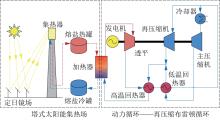
Fig.1
Recompression Brayton cycle-based tower-type solar thermal power plant system
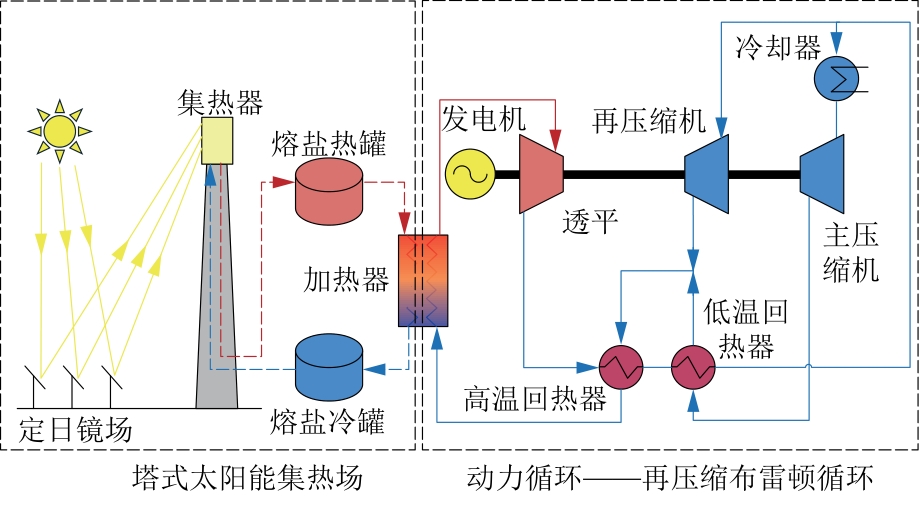
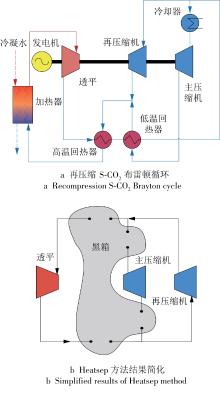
Fig.2
Schematic diagram of Heatsep method
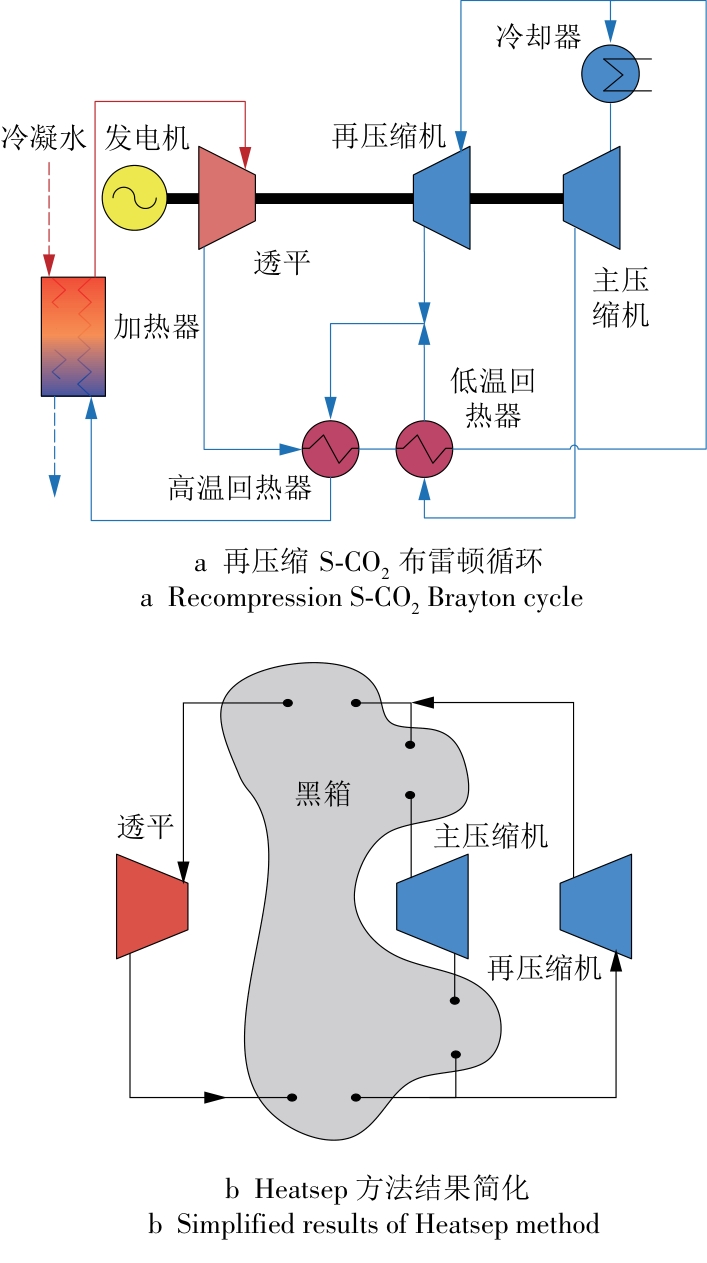
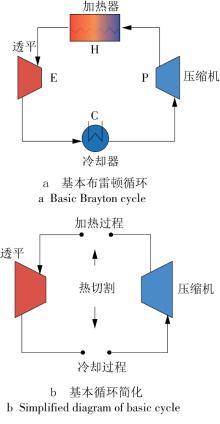
Fig.3
Schematic of basic cycle
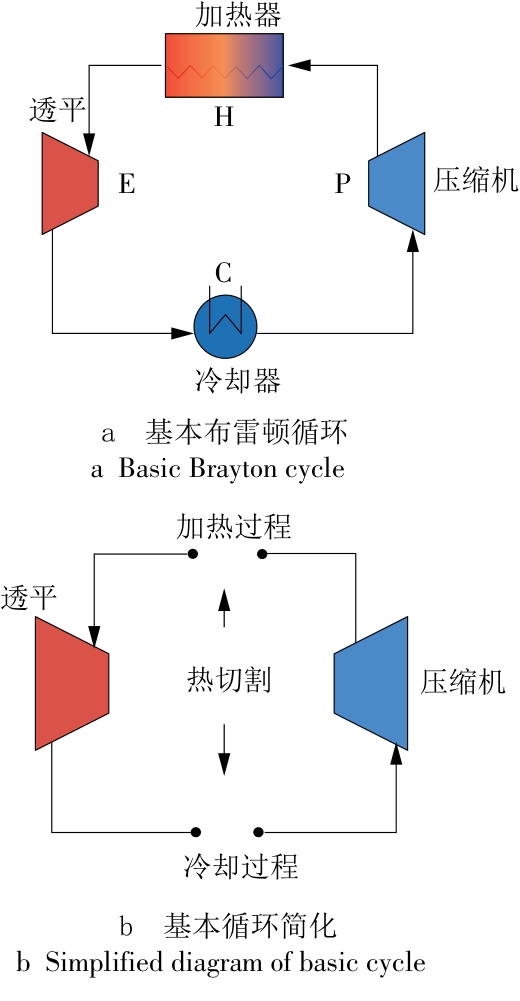
Fig.4
Schematic flowchart of intelligent evolutionary algorithm
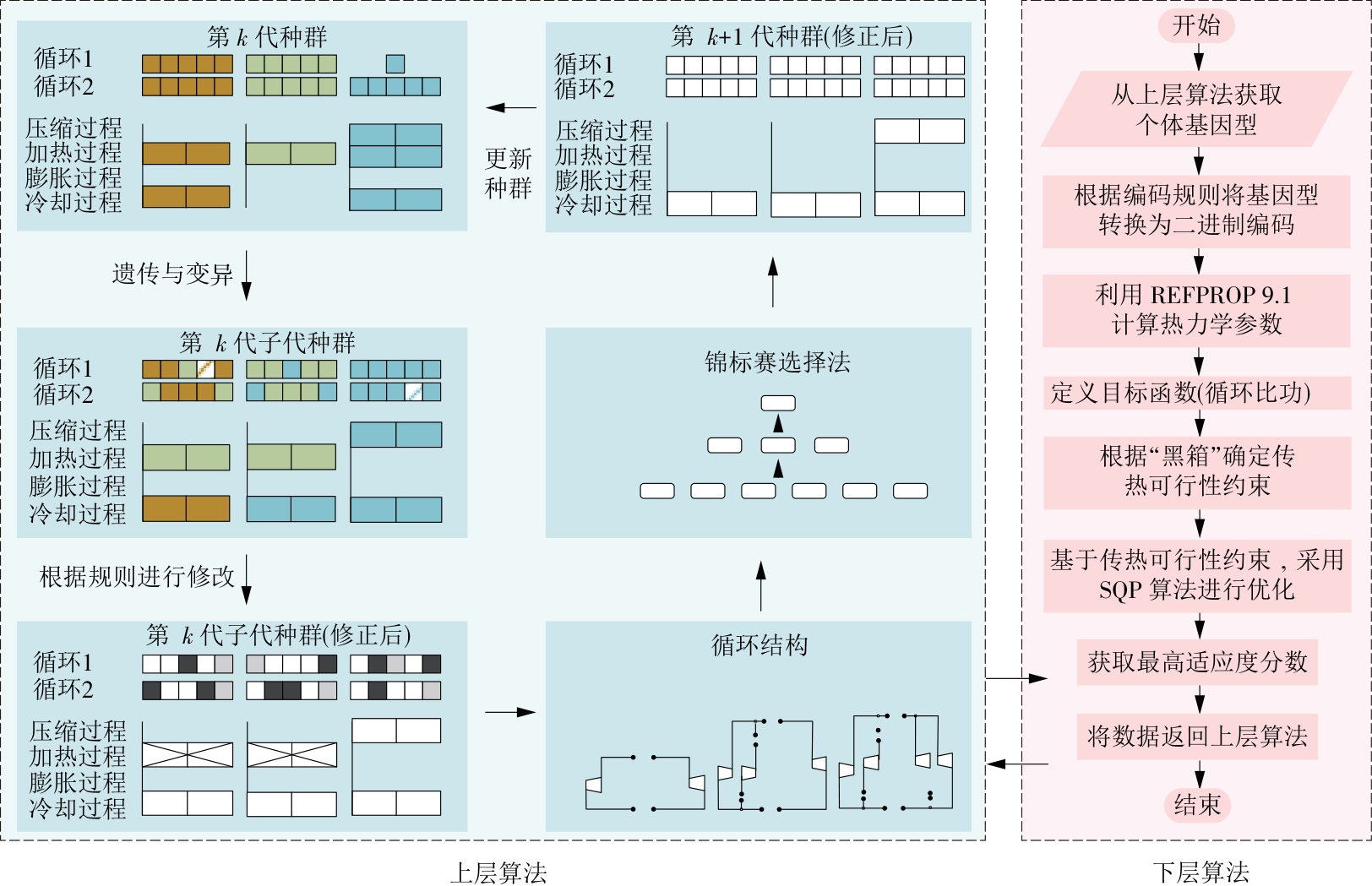
Table 1
Input parameters for model validation
| 参数 | 数值 | |
|---|---|---|
| 质量流量/(kg·s-1) | 基本循环1 | 69.53 |
| 基本循环2 | 38.27 | |
| 热力学设计 参数 | 基本循环1 | |
| 基本循环2 | ||
| 循环结构参数 | ||
| 透平等熵效率/% | 93.00 | |
| 压缩机等熵效率/% | 89.00 | |
| 额定功率/MW | 10 | |
Table 2
Boundary parameter settings
| 参数 | 数值 |
|---|---|
| 透平入口温度/K | 823.15 |
| 透平入口压力/MPa | 25.00 |
| 压缩机入口温度/K | 308.15 |
| 压缩机入口压力/MPa | 8.53 |
Table 3
Optimization results
| 参数 | 数值 | |
|---|---|---|
| 质量流量/(kg·s-1) | 基本循环1 | 83.52 |
| 基本循环2 | 0 | |
| 热力学设计 参数 | 基本循环1 | |
| 基本循环2 | ||
| 循环结构参数 | ||
| 输出功率/MW | 10 | |
| 比功/(kJ·kg-1) | 119.73 | |
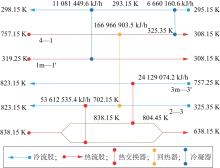
Fig.5
Schematic diagram of heat exchange network
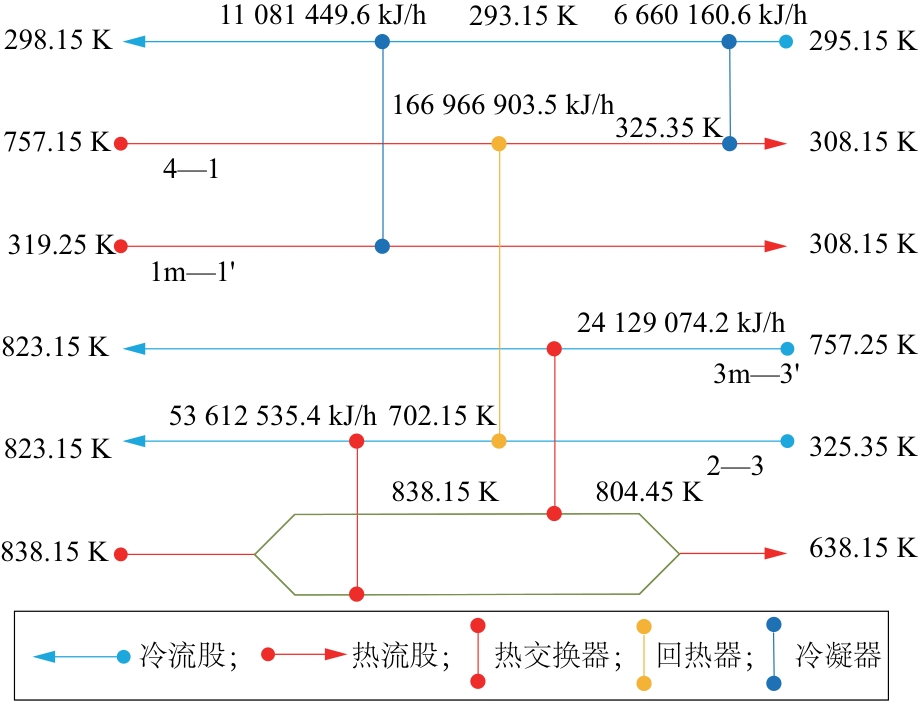
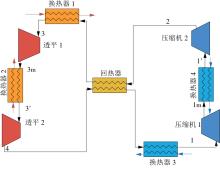
Fig.6
System flowchart at maximum specific work
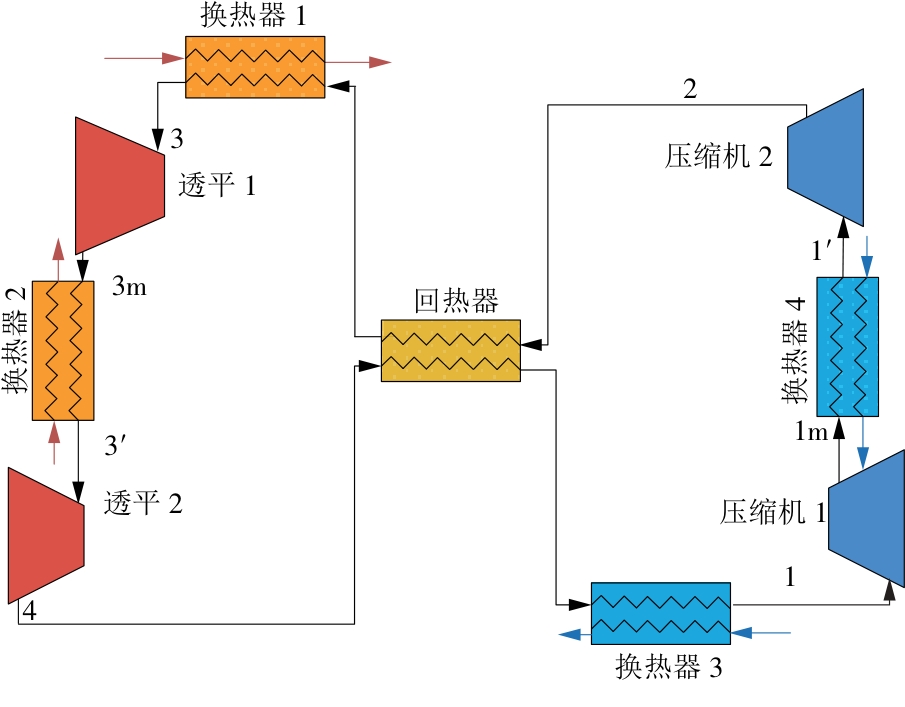
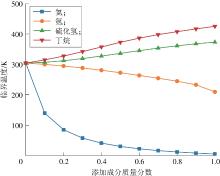
Fig.7
Variation of critical temperature with mass fraction of second component
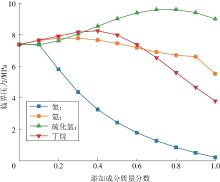
Fig.8
Variation of critical pressure with mass fraction of second component
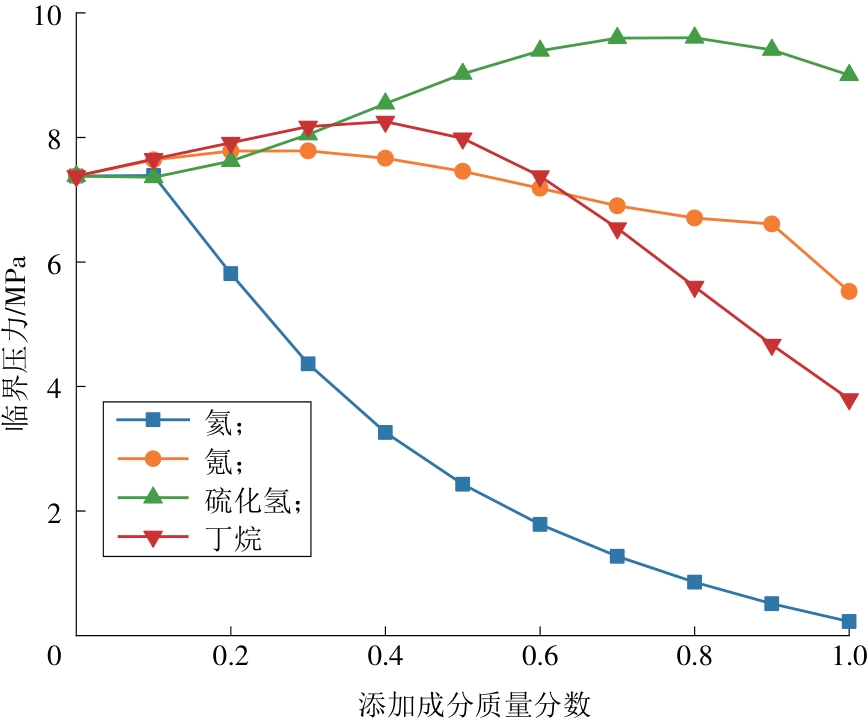
Fig.9
Comparison of specific work for pure substances
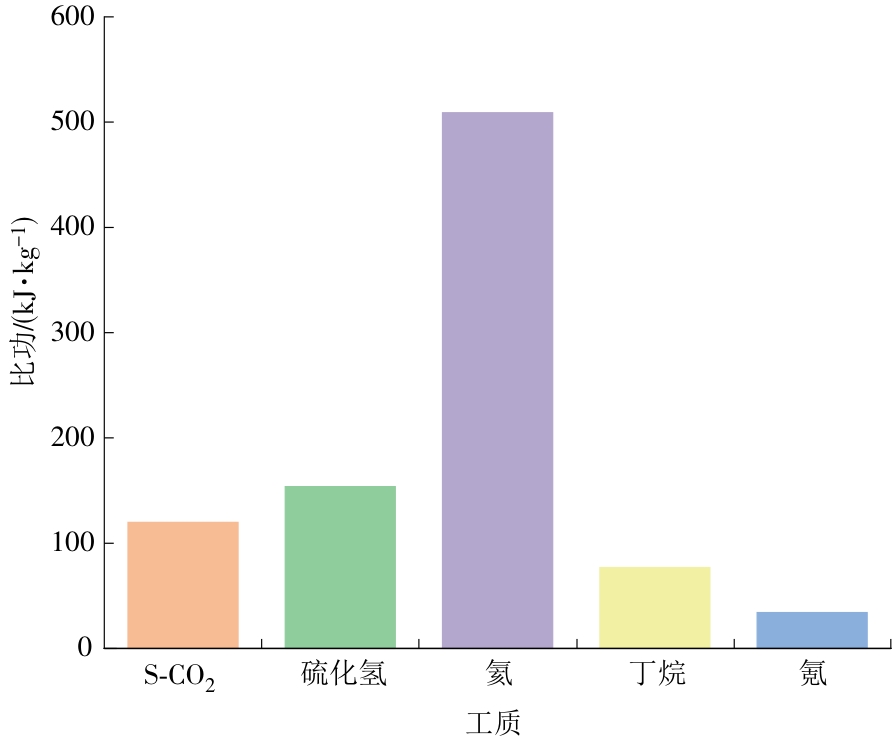
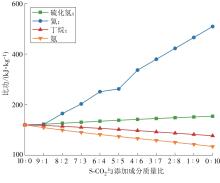
Fig.10
Specific work of mixed working fluids
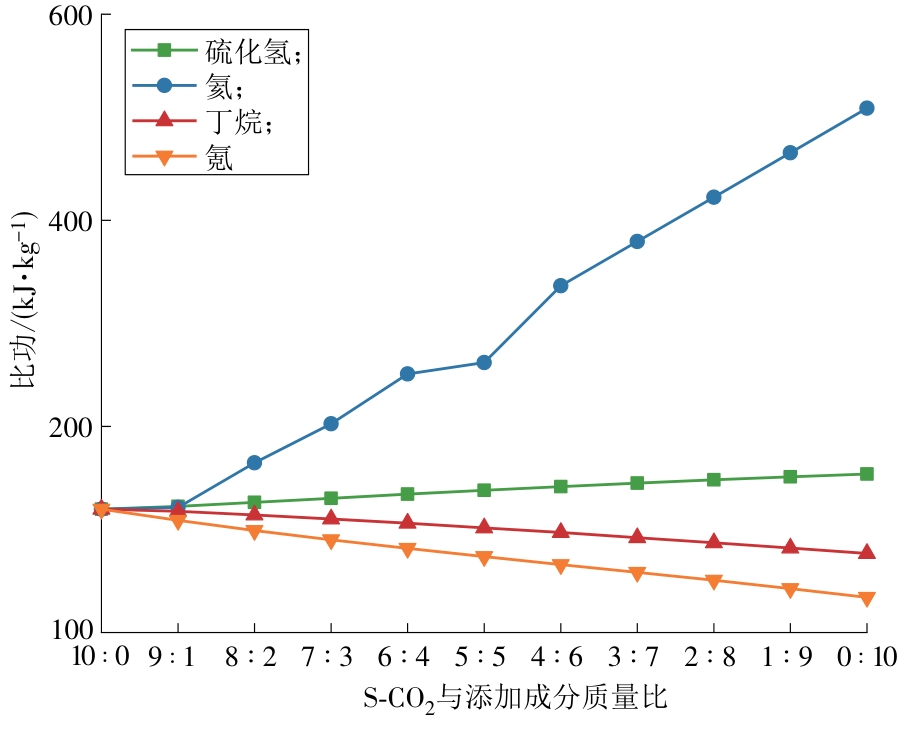
Fig.11
EDNI on typical days in Delingha
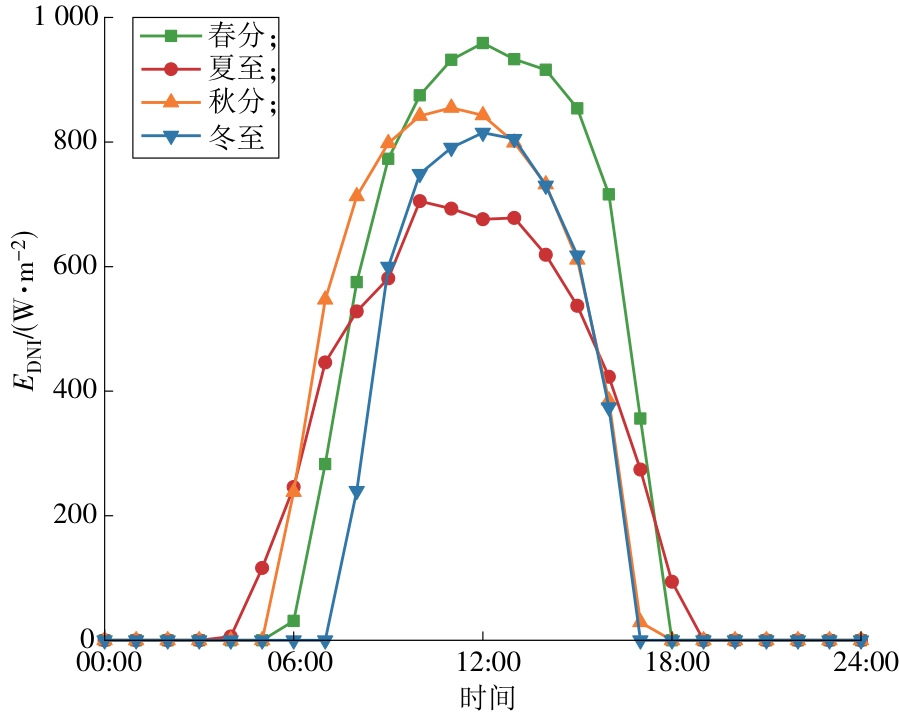
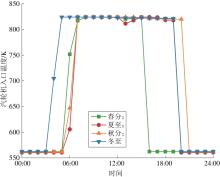
Fig.12
Turbine inlet temperature profile on typical days
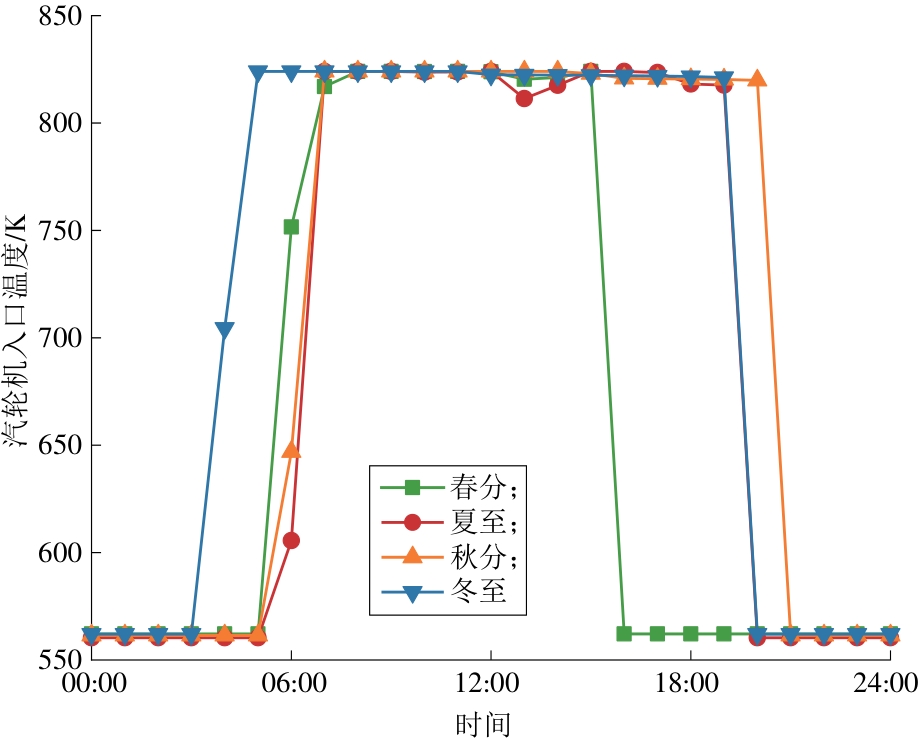
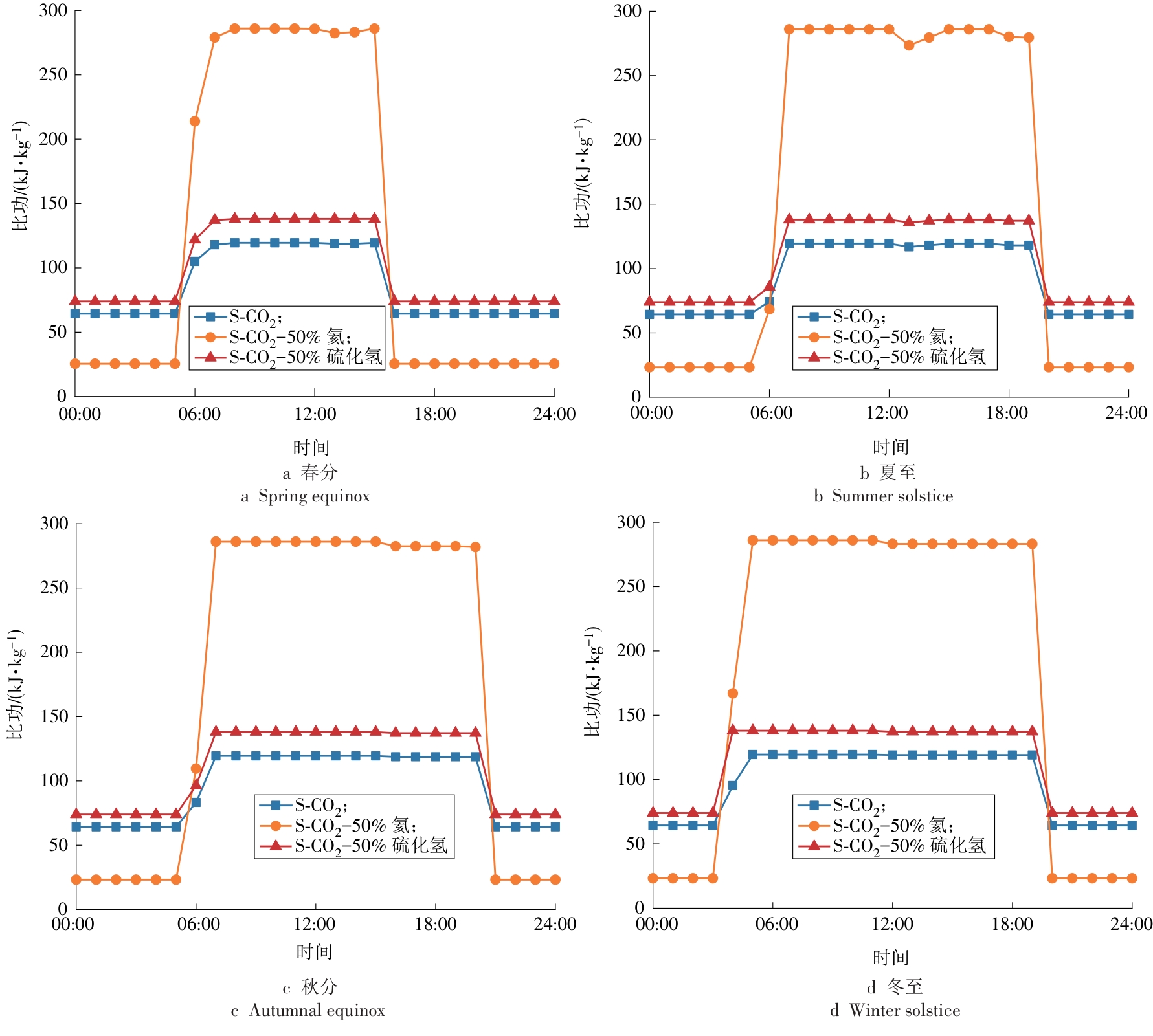
Fig.13
Variation of specific work on typical days in Delingha
| [1] |
BEHAR O, KHELLAF A, MOHAMMEDI K. A review of studies on central receiver solar thermal power plants[J]. Renewable and Sustainable Energy Reviews, 2013, 23: 12-39.
doi: 10.1016/j.rser.2013.02.017 |
| [2] |
AHN Y, BAE S J, KIM M, et al. Review of supercritical CO2 power cycle technology and current status of research and development[J]. Nuclear Engineering and Technology, 2015, 47(6): 647-661.
doi: 10.1016/j.net.2015.06.009 |
| [3] |
CRESPI F, GAVAGNIN G, SÁNCHEZ D, et al. Supercritical carbon dioxide cycles for power generation: A review[J]. Applied Energy, 2017, 195: 152-183.
doi: 10.1016/j.apenergy.2017.02.048 |
| [4] | 周昊, 裘闰超, 李亚威. 基于超临界CO2布雷顿再压缩循环的塔式太阳能光热系统关键参数的研究[J]. 中国电机工程学报, 2018, 38(15): 4451-4458. |
| ZHOU Hao, QIU Runchao, LI Yawei. Parameter analysis of solar power tower system driven by a recompression supercritical CO2 Brayton cycle[J]. Proceedings of the CSEE, 2018, 38(15): 4451-4458. | |
| [5] | RANKINE W J M, MILLAR W J. A Manual of the steam engine and other prime movers[M]. London: Charles Griffin and Company, 1882. |
| [6] |
TUMANOVSKII A G, SHVARTS A L, SOMOVA E V, et al. Review of the coal-fired,over-supercritical and ultra-supercritical steam power plants[J]. Thermal Engineering, 2017, 64(2): 83-96.
doi: 10.1134/S0040601517020082 |
| [7] | SULZER G. Verfahren zur erzeugung von arbeit aus warme[J]. Swiss Patent, 1950, 269599: 15. |
| [8] |
FEHER E G. The supercritical thermodynamic power cycle[J]. Energy Conversion, 1968, 8(2): 85-90.
doi: 10.1016/0013-7480(68)90105-8 |
| [9] |
ANGELINO G. Carbon dioxide condensation cycles for power production[J]. Journal of Engineering for Power, 1968, 90(3): 287-295.
doi: 10.1115/1.3609190 |
| [10] | DOSTAL V, DRISCOLL M J, HEJZLAR P. A supercritical carbon dioxide cycle for next generation nuclear reactors[D]. Cambridge: Massachusetts Institute of Technology, 2004. |
| [11] |
STEPANEK J, ENTLER S, SYBLIK J, et al. Parametric study of S-CO2 cycles for the DEMO fusion reactor[J]. Fusion Engineering and Design, 2020, 160: 111992.
doi: 10.1016/j.fusengdes.2020.111992 |
| [12] |
KIM M S, AHN Y, KIM B, et al. Study on the supercritical CO2 power cycles for landfill gas firing gas turbine bottoming cycle[J]. Energy, 2016, 111: 893-909.
doi: 10.1016/j.energy.2016.06.014 |
| [13] |
PENKUHN M, TSATSARONIS G. Systematic evaluation of efficiency improvement options for sCO2 Brayton cycles[J]. Energy, 2020, 210: 118476.
doi: 10.1016/j.energy.2020.118476 |
| [14] |
CHACARTEGUI R, MUÑOZ DE ESCALONA J M, SÁNCHEZ D, et al. Alternative cycles based on carbon dioxide for central receiver solar power plants[J]. Applied Thermal Engineering, 2011, 31(5): 872-879.
doi: 10.1016/j.applthermaleng.2010.11.008 |
| [15] | AL-SULAIMAN F A, ATIF M. Performance comparison of different supercritical carbon dioxide Brayton cycles integrated with a solar power tower[J]. Energy, 2015, 82: 61-71. |
| [16] |
TOFFOLO A, LAZZARETTO A, MORANDIN M. The HEATSEP method for the synthesis of thermal systems: An application to the S-Graz cycle[J]. Energy, 2010, 35(2): 976-981.
doi: 10.1016/j.energy.2009.06.030 |
| [17] | TOFFOLO A. A synthesis/design optimization algorithm for Rankine cycle based energy systems[J]. Energy, 2014, 66: 115-127. |
| [18] |
LAZZARETTO A, MANENTE G, TOFFOLO A. SYNTHSEP: A general methodology for the synthesis of energy system configurations beyond superstructures[J]. Energy, 2018, 147: 924-949.
doi: 10.1016/j.energy.2018.01.075 |
| [19] |
LIN S, ZHAO L, DENG S, et al. Intelligent collaborative attainment of structure configuration and fluid selection for the organic Rankine cycle[J]. Applied Energy, 2020, 264: 114743.
doi: 10.1016/j.apenergy.2020.114743 |
| [20] |
CHEN M C, ZHAO R K, ZHAO L, et al. Supercritical CO2 Brayton cycle: Intelligent construction method and case study[J]. Energy Conversion and Management, 2021, 246: 114662.
doi: 10.1016/j.enconman.2021.114662 |
| [21] |
ZHAI R R, CHEN Y A, LI J W, et al. Intelligent construction and optimization based on the heatsep method of a supercritical CO2 Brayton cycle driven by a solar power tower system[J]. Solar Energy Materials and Solar Cells, 2024, 276: 113075.
doi: 10.1016/j.solmat.2024.113075 |
| [22] |
李云, 周世杰, 胡哲千, 等. 基于NSGA-Ⅱ-WPA的综合能源系统多目标优化调度[J]. 综合智慧能源, 2024, 46(4):1-9.
doi: 10.3969/j.issn.2097-0706.2024.04.001 |
|
LI Yun, ZHOU Shijie, HU Zheqian, et al. Optimal scheduling of integrated energy systems based on NSGA-Ⅱ-WPA[J]. Integrated Intelligent Energy, 2024, 46(4): 1-9.
doi: 10.3969/j.issn.2097-0706.2024.04.001 |
|
| [23] |
邱文婷, 董家乐, 吴笛, 等. 基于NSGA-Ⅱ的含氢多能源系统经济与低碳协同优化调度[J]. 综合智慧能源, 2025, 47(10): 34-44.
doi: 10.3969/j.issn.2097-0706.2025.10.004 |
|
QIU Wenting, DONG Jiale, WU Di, et al. Economic and low-carbon coordinated optimization scheduling of hydrogen-integrated multi-energy system based on NSGA-Ⅱ[J]. Integrated Intelligent Energy, 2025, 47(10): 34-44.
doi: 10.3969/j.issn.2097-0706.2025.10.004 |
|
| [24] |
谭甲群, 吕如轩, 鞠洪晋, 等. 基于改进秃鹰搜索算法的风光火储综合能源系统优化调度策略研究[J]. 综合智慧能源, 2025, 47(8): 68-76.
doi: 10.3969/j.issn.2097-0706.2025.08.008 |
|
TAN Jiaqun, LYU Ruxuan, JU Hongjin, et al. Research on optimal scheduling strategy of wind-photovoltaic-thermal-storage integrated energy system based on IBES[J]. Integrated Intelligent Energy, 2025, 47(8): 68-76.
doi: 10.3969/j.issn.2097-0706.2025.08.008 |
|
| [25] |
樊颜搏, 熊亚选, 李想, 等. 基于遗传算法的建筑用能多目标优化应用进展[J]. 综合智慧能源, 2024, 46(9): 69-85.
doi: 10.3969/j.issn.2097-0706.2024.09.009 |
|
FAN Yanbo, XIONG Yaxuan, LI Xiang, et al. Advancement in multi-objective optimization for building energy use based on genetic algorithms[J]. Integrated Intelligent Energy, 2024, 46(9): 69-85.
doi: 10.3969/j.issn.2097-0706.2024.09.009 |
|
| [26] |
YANG Y Y, XUE T C, RAO Z H, et al. Potential of transcritical recompression Rankine cycle operating with CO2-based binary mixtures[J]. Energy Conversion and Management, 2022, 252: 115040.
doi: 10.1016/j.enconman.2021.115040 |
| [27] |
YU A F, SU W, ZHAO L, et al. New knowledge on the performance of supercritical Brayton cycle with CO2-based mixtures[J]. Energies, 2020, 13(7): 1741.
doi: 10.3390/en13071741 |
| [28] |
GUO J Q, LI M J, XU J L, et al. Thermodynamic performance analysis of different supercritical Brayton cycles using CO2-based binary mixtures in the molten salt solar power tower systems[J]. Energy, 2019, 173: 785-798.
doi: 10.1016/j.energy.2019.02.008 |
| [29] |
MA Y N, HU P, JIA C Q, et al. Thermo-economic analysis and multi-objective optimization of supercritical Brayton cycles with CO2-based mixtures[J]. Applied Thermal Engineering, 2023, 219: 119492.
doi: 10.1016/j.applthermaleng.2022.119492 |
| [30] | STEVEN W, THOMAS C, DAVID A. CO2-based mixtures as working fluids for geothermal turbines:SAND2012-4905,1049477[R/OL]. [2012-01-01]. https://www.osti.gov/servlets/purl/1049477/. |
| [31] |
HU L, CHEN D Q, HUANG Y P, et al. Investigation on the performance of the supercritical Brayton cycle with CO2-based binary mixture as working fluid for an energy transportation system of a nuclear reactor[J]. Energy, 2015, 89: 874-886.
doi: 10.1016/j.energy.2015.06.029 |
| [32] |
MANZOLINI G, BINOTTI M, BONALUMI D, et al. CO2 mixtures as innovative working fluid in power cycles applied to solar plants.Techno-economic assessment[J]. Solar Energy, 2019, 181: 530-544.
doi: 10.1016/j.solener.2019.01.015 |
| [33] |
WANG X H, LIU Q B, LEI J, et al. Thermodynamic analyses of the solar thermal energy driven Rankine cycle with CO2-H2O binary mixture as a working fluid[J]. Energy Procedia, 2019, 159: 274-279.
doi: 10.1016/j.egypro.2018.12.062 |
| [34] |
LIU X X, XU Z, XIE Y C, et al. CO2-based mixture working fluids used for the dry-cooling supercritical Brayton cycle: Thermodynamic evaluation[J]. Applied Thermal Engineering, 2019, 162: 114226.
doi: 10.1016/j.applthermaleng.2019.114226 |
| [35] |
李博, 曹越, 徐景怡, 等. 考虑火电-熔盐储热耦合特性的风光火储能源调度[J]. 综合智慧能源, 2024, 46(12): 55-63.
doi: 10.3969/j.issn.2097-0706.2024.12.007 |
|
LI Bo, CAO Yue, XU Jingyi, et al. Energy dispatch of wind-photovoltaic-thermal-storage considering the coupling characteristics of thermal power and molten salt heat storage[J]. Integrated Intelligent Energy, 2024, 46(12): 55-63.
doi: 10.3969/j.issn.2097-0706.2024.12.007 |
|
| [36] | 杨竞择, 杨震, 段远源. 超临界二氧化碳布雷顿循环塔式光热系统及光伏-光热混合系统运行性能分析[J]. 热力发电, 2020, 49(10): 93-100. |
| YANG Jingze, YANG Zhen, DUAN Yuanyuan. Operational performance analysis of CSP and PV-CSP systems based on supercritical carbon dioxide Brayton cycle[J]. Thermal Power Generation, 2020, 49(10): 93-100. | |
| [37] | 何伯述. 工程热力学[M]. 2版. 北京: 清华大学出版社, 2022. |
| [1] | FAN Xiaochao, ZHOU Kai, SHI Ruijing, ZHANG Zhihao. Construction and thermodynamic analysis of an IBC-based atmospheric-pressure SOFC-GT system [J]. Integrated Intelligent Energy, 2026, 48(6): 92-104. |
| [2] | HE Zhiqiao,TONG Jialin. Development status of solar thermal power generation and prospect of supercritical carbon dioxide technology applied in it [J]. Huadian Technology, 2020, 42(4): 77-83. |
| Viewed | ||||||
|
Full text |
|
|||||
|
Abstract |
|
|||||