综合智慧能源 ›› 2026, Vol. 48 ›› Issue (4): 60-71.doi: 10.3969/j.issn.2097-0706.2026.04.007
彭文河( ), 蔡瑞天*(), 张华英, 王化龙, 黄欢, 吴宜聪
收稿日期:2025-11-06
修回日期:2026-01-12
出版日期:2026-04-25
通讯作者:
* 蔡瑞天(1999),男,工程师,硕士,从事电力系统自动化方面的研究,764528901@qq.com。作者简介:彭文河(1998),男,工程师,硕士,从事智慧能源优化调度方面的研究,1092265915@qq.com;基金资助:
PENG Wenhe(), CAI Ruitian*(), ZHANG Huaying, WANG Hualong, HUANG Huan, WU Yicong
Received:2025-11-06
Revised:2026-01-12
Published:2026-04-25
Supported by:摘要:
随着电动汽车保有量的快速增长,电动汽车的规模化无序充电加剧了配网负荷峰谷差并降低了电能质量,有序充电控制至关重要。然而,现有调度方法未充分考虑电动汽车可充电时长的不确定性,缺乏针对性的预测机制。以美国ACM实验室提供的充电站实际数据为例,提出了一种基于可调度时长预测的电动汽车分层分群有序充电控制方法:首先,对电动汽车可充电时长进行预测,并以此为基础建立电动汽车分群模型;其次,在满足电力平衡与储能约束的条件下进行经济优化调度;随后,配网进行潮流校核并反馈越限信息,驱动充电站进行闭环重优化;最后,通过功率分配算法实现有序充放电控制,确保系统运行的安全性与经济性。案例仿真结果表明,所提优化调度方法可较好地挖掘电动汽车停留规律,提高预测准确度,充电站负荷方差减少了26.55%,有效降低了电动汽车充放电成本并提高了系统的经济性。
中图分类号:
彭文河, 蔡瑞天, 张华英, 王化龙, 黄欢, 吴宜聪. 基于可调度时长预测的电动汽车优化调度研究[J]. 综合智慧能源, 2026, 48(4): 60-71.
PENG Wenhe, CAI Ruitian, ZHANG Huaying, WANG Hualong, HUANG Huan, WU Yicong. Optimal scheduling of electric vehicles based on schedulable duration prediction[J]. Integrated Intelligent Energy, 2026, 48(4): 60-71.
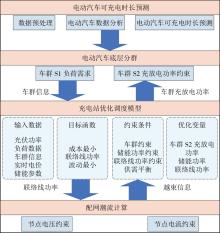
图1
基于可调度时长预测的电动汽车优化调度框架
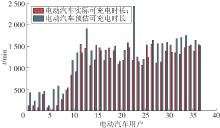
图2
电动汽车实际可充电时长和预估可充电时长
表1
Person相关系数及含义
| 相关系数范围 | 相关程度 | 相关方向 |
|---|---|---|
| 0.5<r<1.0 | 强相关 | 正向 |
| 0.3≤r≤0.5 | 中度相关 | 正向 |
| 0<r<0.3 | 弱相关 | 正向 |
| 0 | 不相关 | 无 |
| -0.3<r<0 | 弱相关 | 负向 |
| -0.5≤r≤-0.3 | 中度相关 | 负向 |
| -1.0<r<-0.5 | 强相关 | 负向 |
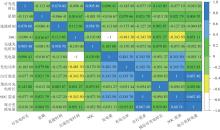
图3
电动汽车可充电时长相关系数矩阵
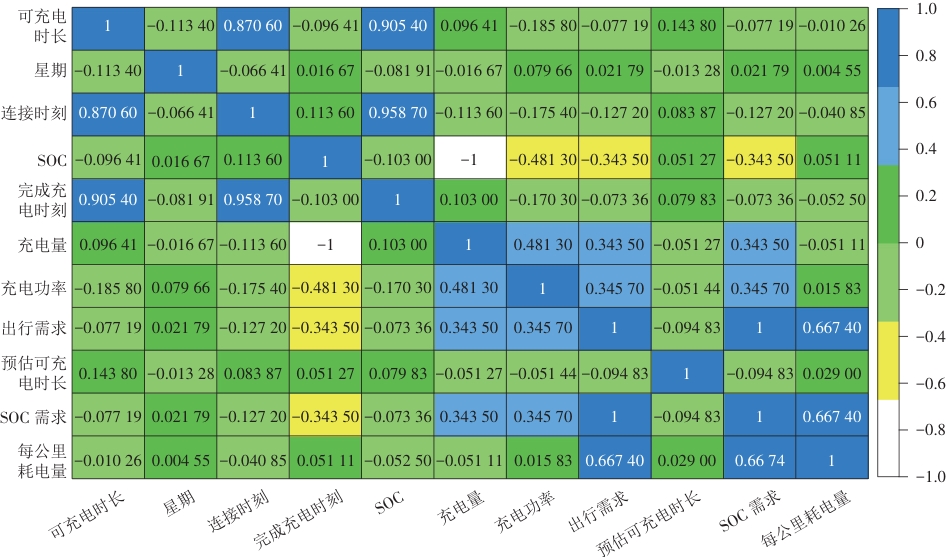
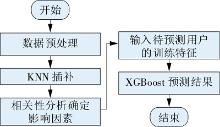
图4
预测模型搭建流程
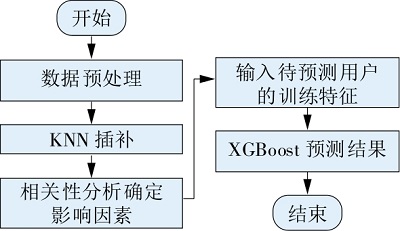
图5
考虑电动汽车可充电时长预测的分层分群有序充电控制框架
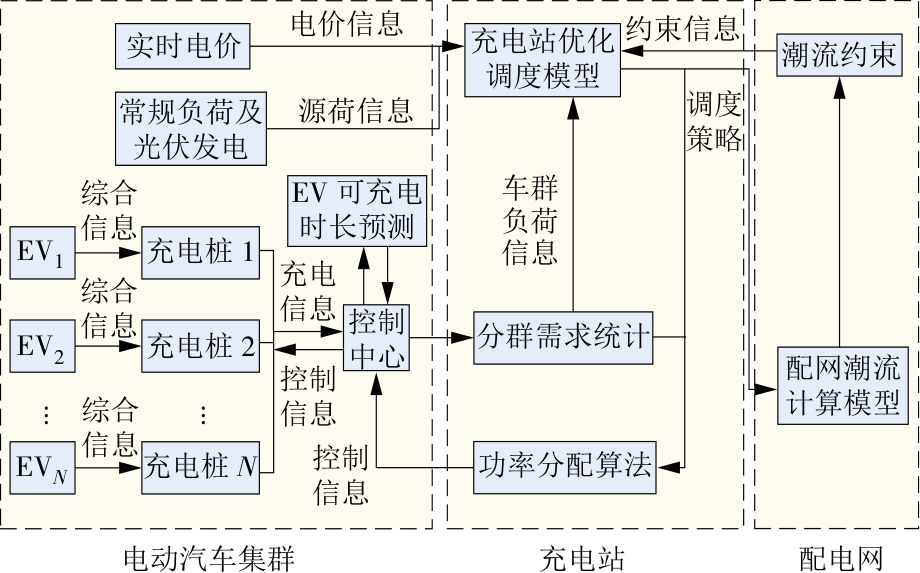
图6
基于APSO的电动汽车分层分群有序充电控制算法流程
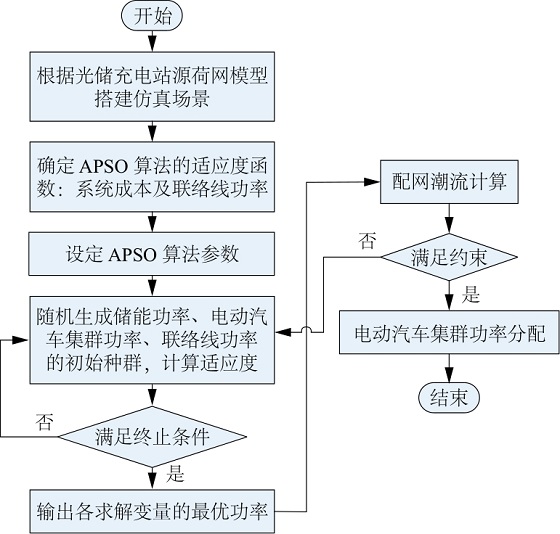
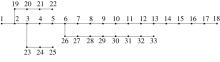
图7
IEEE-33节点配电网系统
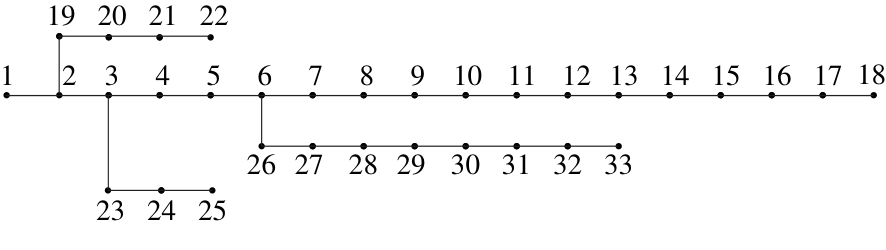
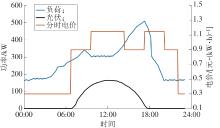
图8
充电站基础负荷、光伏发电功率及分时电价
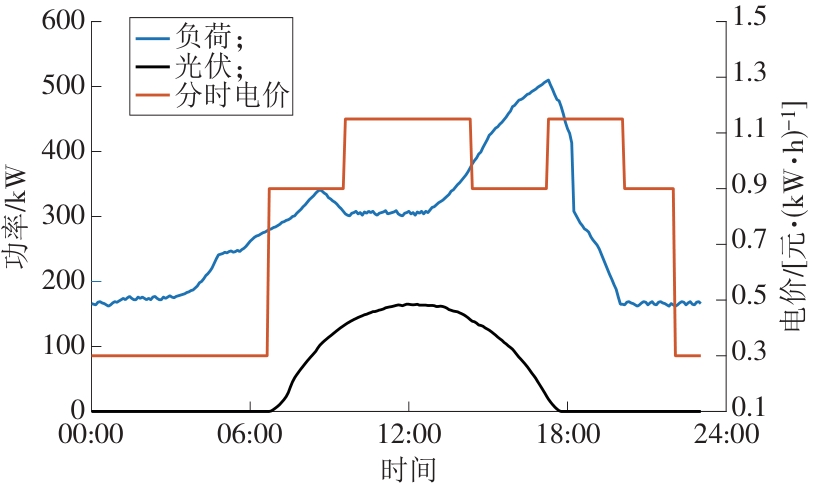
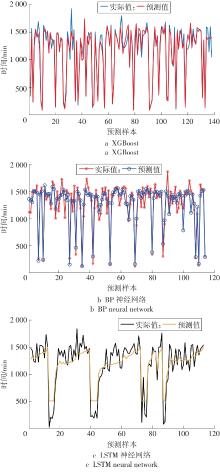
图9
不同模型预测结果
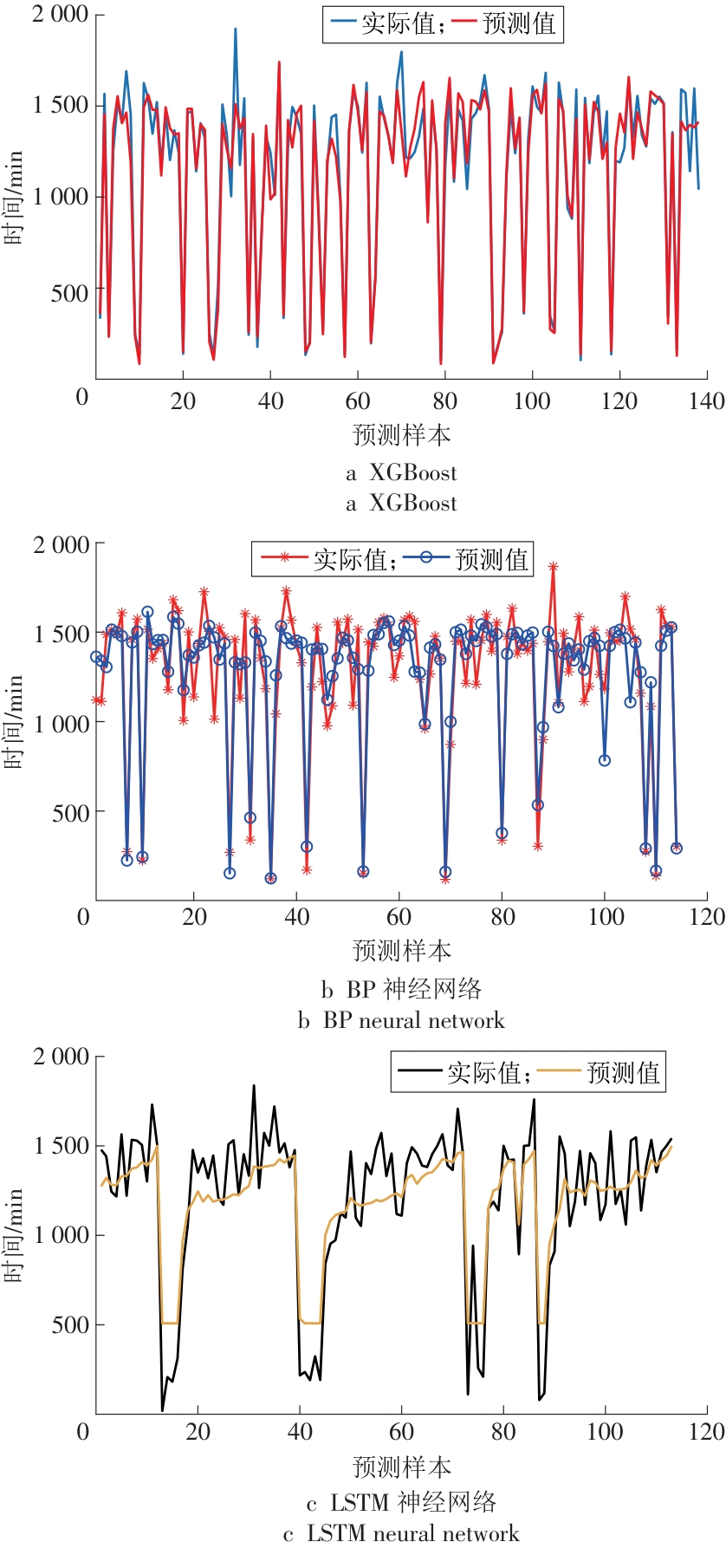
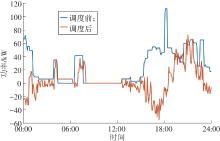
图10
电动汽车调度前、后负荷
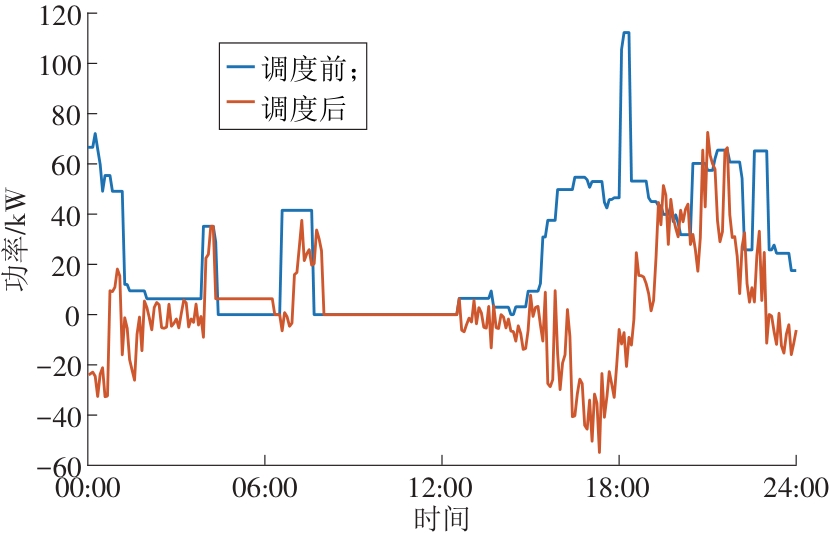
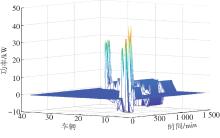
图11
调度后电动汽车充、放电功率
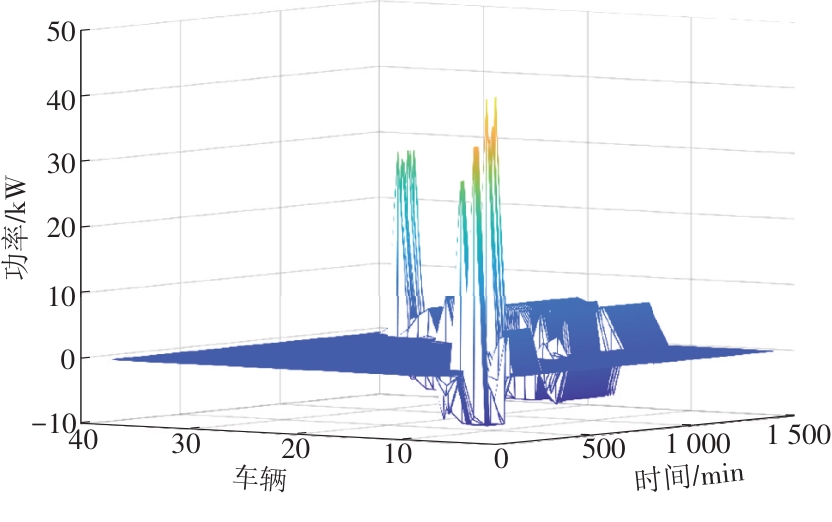
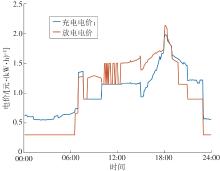
图12
电动汽车充、放电电价
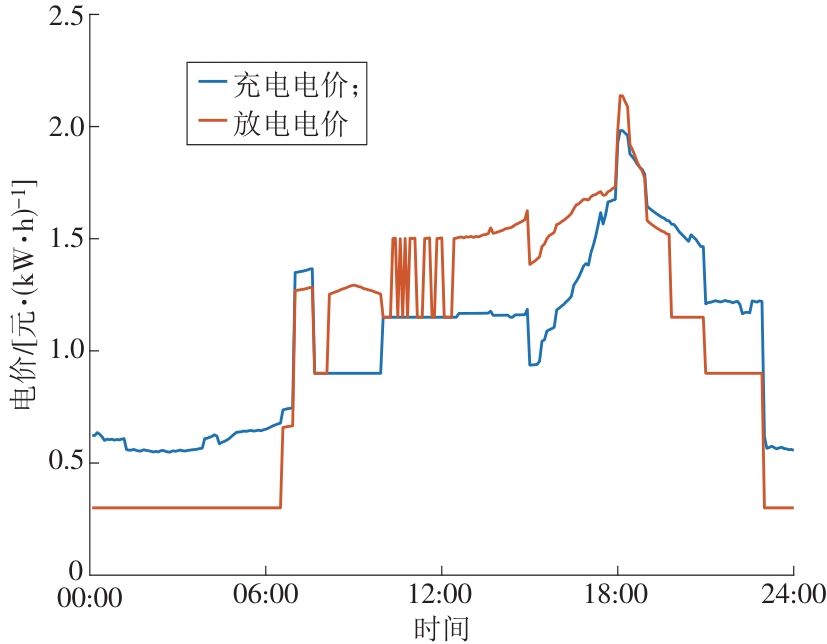
图13
储能功率
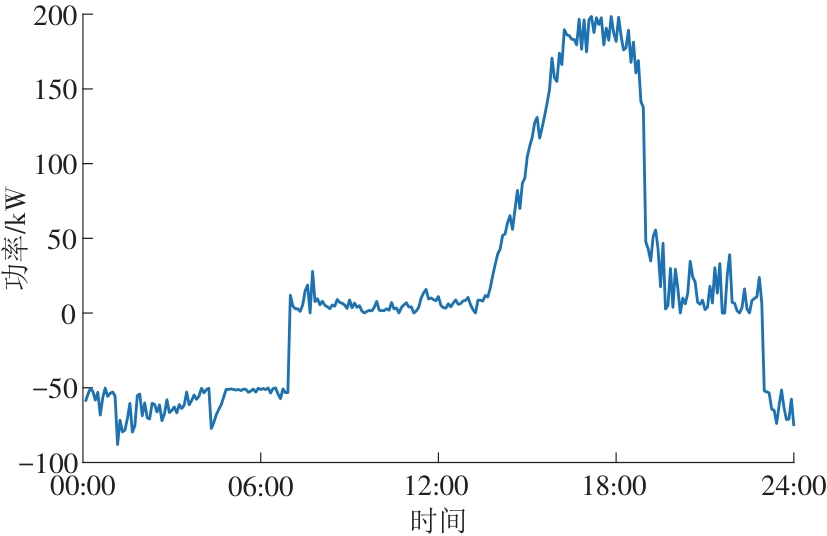
图14
充电站联络线功率
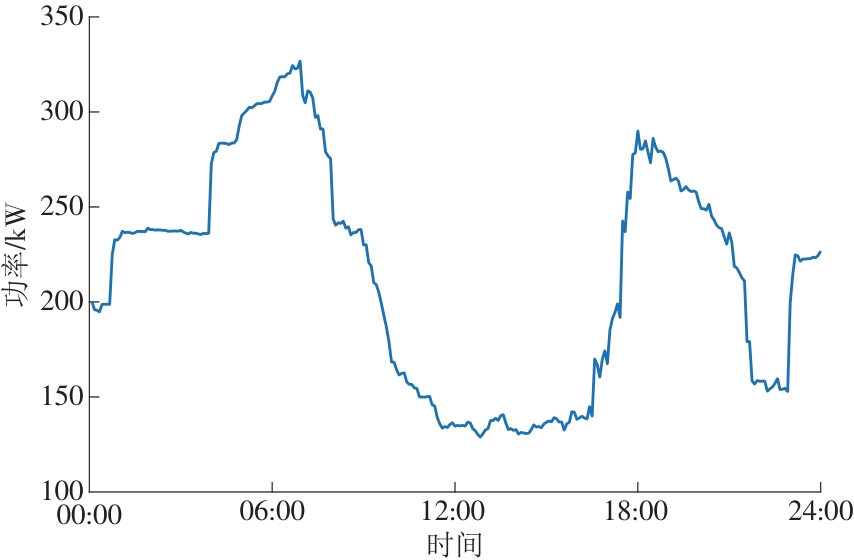
图15
配网节点电压、电流
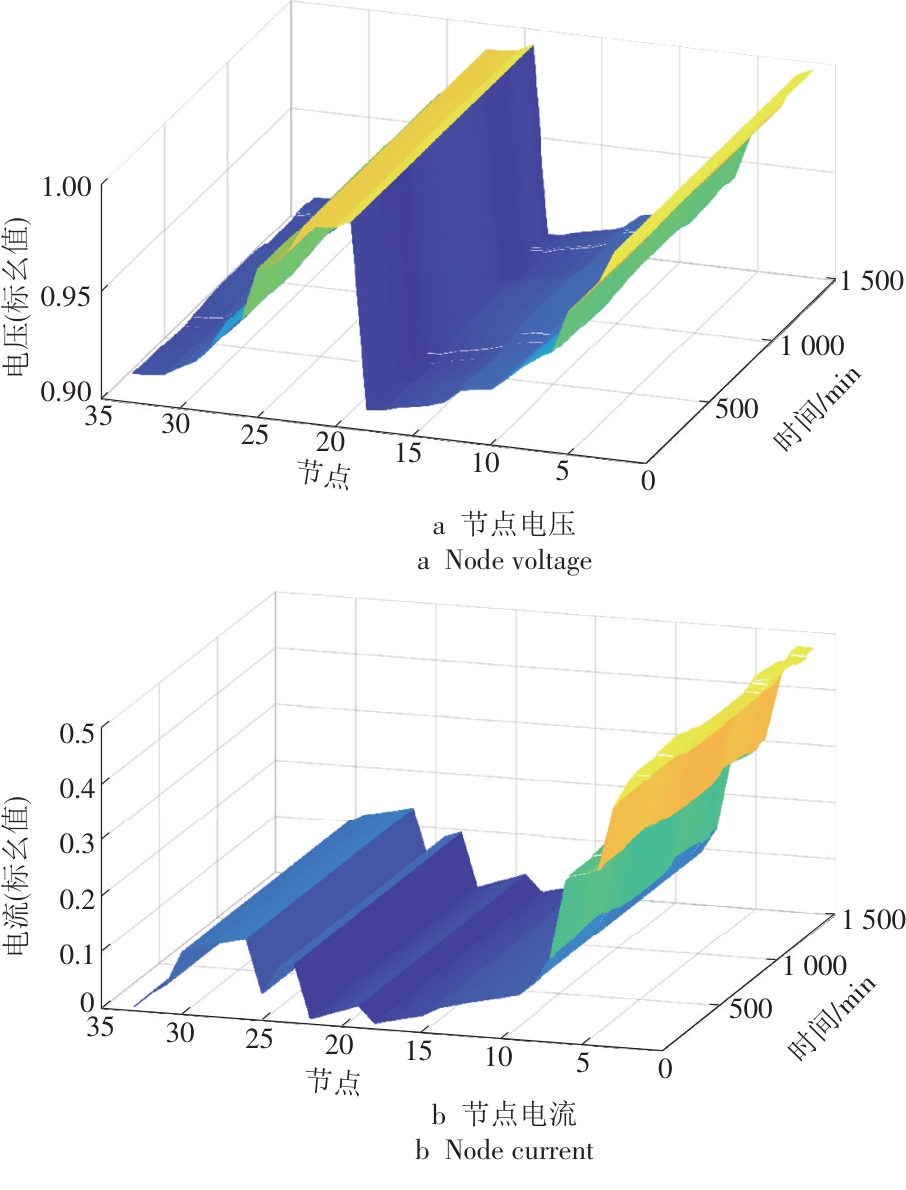
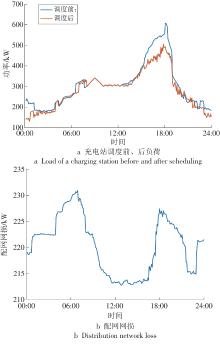
图16
充电站调度前、后的负荷及配网网损
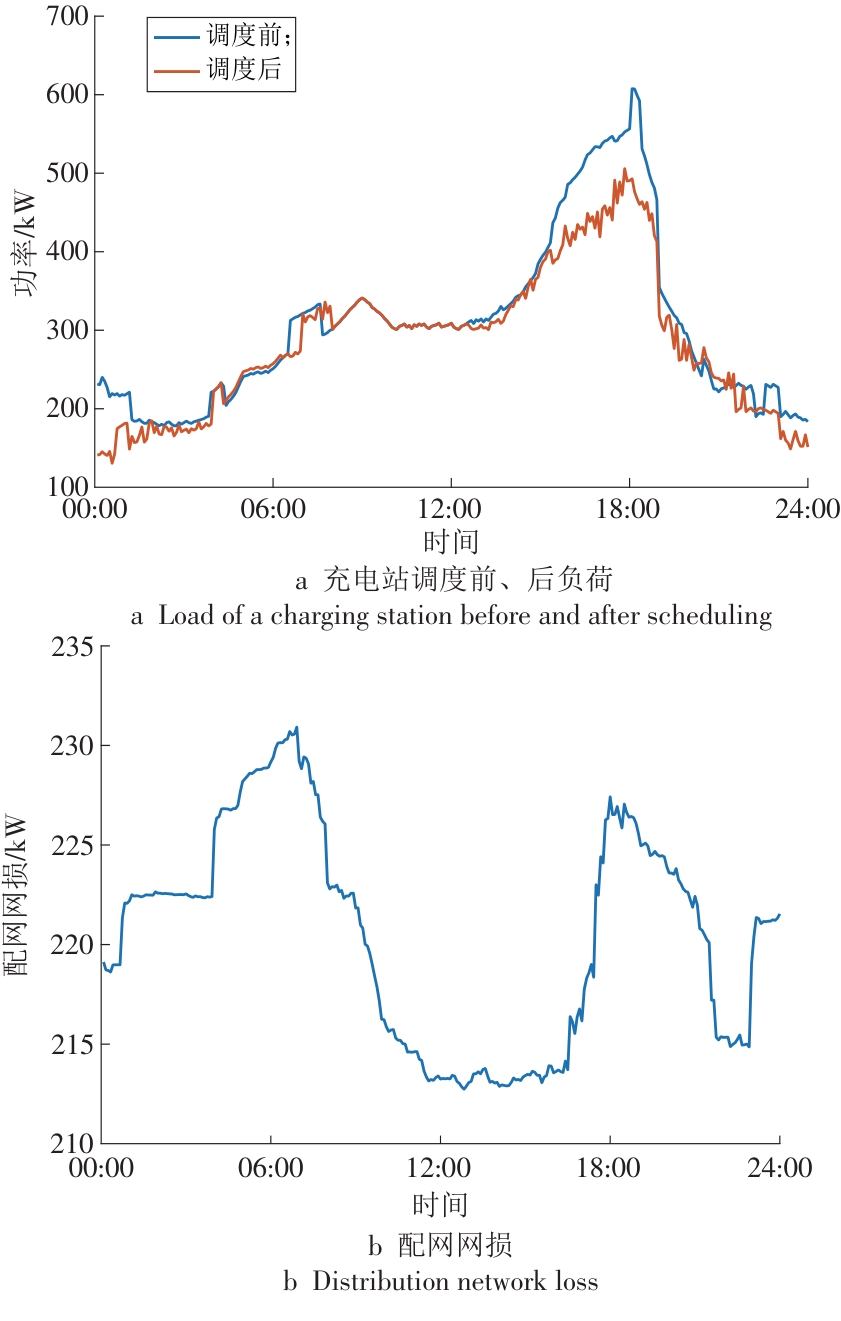
图17
基于电动汽车可充电时长预测的电动汽车调度后SOC
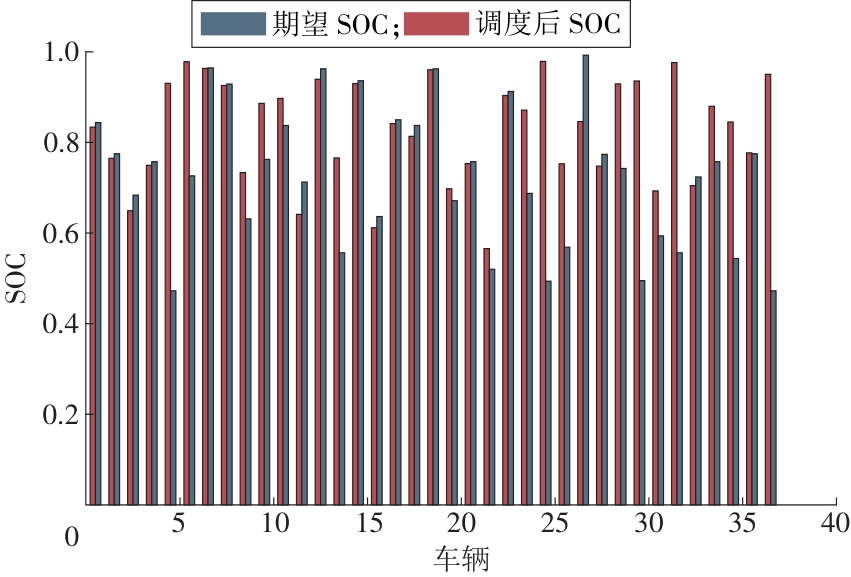
图18
基于电动汽车预估可充电时长的电动汽车调度后SOC
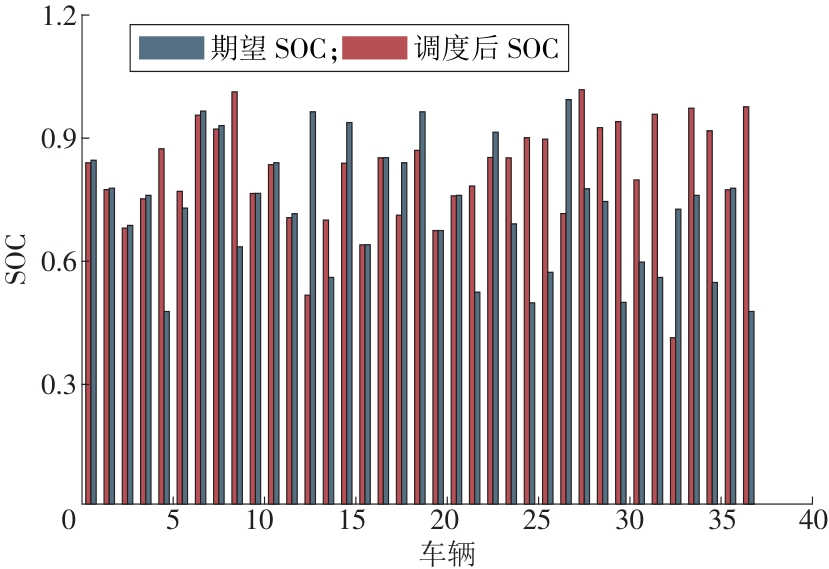
表2
电动汽车集群充放电成本及充电站调度成本
| 成本 | 案例1 | 案例2 |
|---|---|---|
| 电动汽车集群充放电成本 | 64.528 6 | 195.702 6 |
| 充电站调度成本 | 3 128.0 | 3 424.3 |
| [1] |
LI M J, LI F F, QIU J, et al. Multi-objective optimization of non-fossil energy structure in China towards the carbon peaking and carbon neutrality goals[J]. Energy, 2024, 312:133643.
doi: 10.1016/j.energy.2024.133643 |
| [2] |
OZAN O Y. World energy outlook and state of renewable energy: 10 year evaluation[J]. Innovation and Green Development, 2023, 2(4):100070.
doi: 10.1016/j.igd.2023.100070 |
| [3] |
李明扬, 窦梦园. 基于强化学习的含电动汽车虚拟电厂优化调度[J]. 综合智慧能源, 2024, 46(6): 27-34.
doi: 10.3969/j.issn.2097-0706.2024.06.004 |
|
LI Mingyang, DOU Mengyuan. Optimal scheduling of virtual power plants integrating electric vehicles based on reinforcement learning[J]. Integrated Intelligent Energy, 2024, 46(6): 27-34.
doi: 10.3969/j.issn.2097-0706.2024.06.004 |
|
| [4] |
SHAHID M M, ZHUANG S X, MUDASSIR H M, et al. A study of charging-dispatch strategies and vehicle-to-grid technologies for electric vehicles in distribution networks[J]. Energy Reports, 2023, 9:1777-1806.
doi: 10.1016/j.egyr.2022.12.139 |
| [5] | WANG A, GAO X D, TANG M C. A space variable-scale scheduling method for digital vehicle-to-grid platform under distributed electric energy storage[J]. Applied Soft Computing, 2022, 2(2):123-132. |
| [6] |
刘浠流, 陈冠霖, 吴宁, 等. 考虑电动汽车充放电模式灵活性的配电网日前优化调度方法[J]. 分布式能源, 2023, 8(4): 46-54.
doi: 10.16513/j.2096-2185.DE.2308406 |
|
LIU Xiliu, CHEN Guanlin, WU Ning, et al. Day-ahead optimal scheduling considering the flexibility of EV charging and discharging modes[J]. Distributed Energy, 2023, 8(4): 46-54.
doi: 10.16513/j.2096-2185.DE.2308406 |
|
| [7] | 吕志鹏, 宋振浩, 李立生, 等. 含电动汽车的工业园区综合能源系统优化调度[J]. 中国电力, 2024, 57(4): 25-31. |
| LYU Zhipeng, SONG Zhenhao, LI Lisheng, et al. Optimization scheduling of integrated energy system scheduling in industrial park containing electric vehicles[J]. Electric Power, 2024, 57(4): 25-31. | |
| [8] |
ZHANG X H, WANG Z Y, LU Z Y. Multi-objective load dispatch for microgrid with electric vehicles using modified gravitational search and particle swarm optimization algorithm[J]. Applied Energy, 2022, 306(1):118018.
doi: 10.1016/j.apenergy.2021.118018 |
| [9] | 马永翔, 王希鑫, 闫群民, 等. 电动汽车双层优化模型的充放电调度策略[J]. 重庆理工大学学报, 2024, 38(3): 267-276. |
| MA Yongxiang, WANG Xixin, YAN Qunmin, et al. Charge and discharge scheduling strategies for electric vehicle double-layer optimization models[J]. Journal of Chongqing Institute of Technology, 2024, 38(3): 267-276. | |
| [10] |
李明, 胡楠, 刘鑫蕊. 考虑电动汽车公平性的虚拟电厂优化运行策略[J]. 综合智慧能源, 2025, 47(1): 70-78.
doi: 10.3969/j.issn.2097-0706.2025.01.009 |
|
LI Ming, HU Nan, LIU Xinrui. Optimal operation strategy of virtual power plants considering fairness for electric vehicles[J]. Integrated Intelligent Energy, 2025, 47(1): 70-78.
doi: 10.3969/j.issn.2097-0706.2025.01.009 |
|
| [11] | 王毅, 陈进, 麻秀, 等. 采用分群优化的电动汽车与电网互动调度策略[J]. 电力自动化设备, 2020, 40(5): 77-85. |
| WANG Yi, CHEN Jin, MA Xiu, et al. Interactive scheduling strategy between electric vehicles and power grid based on group optimization[J]. Electric Power Automation Equipment, 2020, 40(5): 77-85. | |
| [12] |
YU J Y, LI S Y, ZHANG J. Hierarchical optimization strategy for integrated water-wind-solar system considering load control of electric vehicle charging stations[J]. Energies 2025, 18(10):2566.
doi: 10.3390/en18102566 |
| [13] | 周宇凡, 高辉, 龙羿. 计及动态电价的电动汽车定制化充电策略[J]. 电气传动, 2024, 54(7): 32-39. |
| ZHOU Yufan, GAO Hui, LONG Yi. Customized charging strategy for EV considering dynamic electricity prices[J]. Electric Drive, 2024, 54(7): 32-39. | |
| [14] | 田立亭, 史双龙, 贾卓. 电动汽车充电功率需求的统计学建模方法[J]. 电网技术, 2010, 34(11): 126-130. |
| TIAN Liting, SHI Shuanglong, JIA Zhuo. A statistical model for charging power demand of electric vehicles[J]. Power System Technology, 2010, 34(11): 126-130. | |
| [15] | 游磊, 金小明, 刘云. 电动汽车集群充电负荷计算方法研究[J]. 南方能源建设, 2024, 11(5): 159-167. |
| YOU Lei, JIN Xiaoming, LIU Yun. Research on the charging load calculation method for electric vehicle cluster[J]. Southern Energy Construction, 2024, 11(5):159-167. | |
| [16] |
QIAN K J, ZHOU C K, ALLAN M, et al. Modeling of load demand due to EV battery charging in distribution systems[J]. IEEE Transactions on Power Systems, 2011, 26(2): 802-810.
doi: 10.1109/TPWRS.2010.2057456 |
| [17] |
MUKHERJEE J C, GUPTA A. A review of charge scheduling of electric vehicles in smart grid[J]. IEEE Systems Journal, 2015, 9(4): 1541-1553.
doi: 10.1109/JSYST.2014.2356559 |
| [18] |
HU W, MIN Y, ZHOU Y F, et al. Wind power forecasting errors modelling approach considering temporal and spatial dependence[J]. Journal of Modern Power Systems and Clean Energy, 2017, 5(3): 489-498.
doi: 10.1007/s40565-016-0263-y |
| [19] | 王浩林, 张勇军, 毛海鹏. 基于时刻充电概率的电动汽车充电负荷预测方法[J]. 电力自动化设备, 2019, 39(3): 207-213. |
| WANG Haolin, ZHANG Yongjun, MAO Haipeng. Charging load forecasting method based on instantaneous charging probability for electric vehicles[J]. Electric Power Automation Equipment, 2019, 39(3): 207-213. | |
| [20] |
ZHOU K L, CHENG L X, WEN L L, et al. A coordinated charging scheduling method for electric vehicles considering different charging demands[J]. Energy, 2020, 213:118882.
doi: 10.1016/j.energy.2020.118882 |
| [21] | 纪德洋, 金锋, 冬雷, 等. 基于皮尔逊相关系数的光伏电站数据修复[J]. 中国电机工程学报, 2022, 42(4): 1514-1523. |
| JI Deyang, JIN Feng, DONG Lei, et al. Data repairing of photovoltaic power plant based on Pearson correlation coefficient[J]. Proceedings of the CSEE, 2022, 42(4): 1514-1523. | |
| [22] | 邱东, 王忠飞, 张随兴, 等. 基于BP神经网络的用户用电需求预测方法[J]. 工业控制计算机, 2025, 38(10): 111-112. |
| QIU Dong, WANG Zhongfei, ZHANG Suixing, et al. Forecasting method of user's electricity demand based on BP neural network[J]. Industrial Control Computer, 2025, 38(10): 111-112. | |
| [23] | 蔡骏, 董逸茹, 李涛, 等. 考虑节假日特征的TCN-LSTM短期负荷预测[J/OL]. 控制工程: 1-10 (2025-09-09)[2025-11-01].https://doi.org/10.14107/j.cnki.kzgc.20250120. |
| CAI Jun, DONG Yiru, LI Tao, et al. TCN-LSTM short-term load forecasting considering holiday characteristics[J/OL]. Control Engineering of China:1-10(2025-09-09)[2025-11-01]. https://doi.org/10.14107/j.cnki.kzgc.20250120. | |
| [24] |
杨澜倩, 郭锦敏, 田慧丽, 等. 基于CNN-LSTM-Self attention的园区负荷多尺度预测研究[J]. 综合智慧能源, 2025, 47(2): 79-87.
doi: 10.3969/j.issn.2097-0706.2025.02.008 |
|
YANG Lanqian, GUO Jinmin, TIAN Huili, et al. Research on multi-scale load prediction in parks based on CNN-LSTM-Self attention[J]. Integrated Intelligent Energy, 2025, 47(2): 79-87.
doi: 10.3969/j.issn.2097-0706.2025.02.008 |
|
| [25] | 李明妍. 基于XGBoost和LSTM的长春市电力负荷预测研究[C]// 第36届中国气象学会年会论文集. 吉林省气象服务中心,2025: 30-35. |
| [26] | 吕梦晴. 基于改进粒子群算法的微电网优化调度研究[D]. 扬州: 扬州大学, 2025. |
| LYU Mengqing. Research on microgrid optimal scheduling based on improved particle swarm optimization algorithm[D]. Yangzhou: Yangzhou University, 2025. | |
| [27] | California Institute of Technology. ACN-Sim documentation[EB/OL]. (2025-08-29)[2025-11-01]. https://ev.caltech.edu/. |
| [1] | 穆雨彤, 王巍. 基于APO-PSO的风光火储联合发电系统低碳优化调度[J]. 综合智慧能源, 2026, 48(3): 37-46. |
| [2] | 杨娜, 马龙腾, 刘浩睿, 刘耀泽, 杨国华. 考虑条件风险价值的含EV虚拟电厂主从博弈优化调度[J]. 综合智慧能源, 2025, 47(9): 80-88. |
| [3] | 翟硕, 张智远, 王伟胜, 田润多, 张为之, 王睿. 电动汽车车-车能量互济控制策略研究[J]. 综合智慧能源, 2025, 47(8): 40-48. |
| [4] | 王砥凡, 魏飞, 蒋德玉, 韩树山, 李中凯, 张盛林, 王政伟, 陈衡. 多类型电源与储能协同的配电网规划优化[J]. 综合智慧能源, 2025, 47(8): 49-57. |
| [5] | 谭甲群, 吕如轩, 鞠洪晋, 洪春雪, 肖海平, 雷兢, 韩振兴. 基于改进秃鹰搜索算法的风光火储综合能源系统优化调度策略研究[J]. 综合智慧能源, 2025, 47(8): 68-76. |
| [6] | 洪春雪, 肖海平, 谭甲群, 吕如轩, 陈燕鹏, 巨星. 考虑容量电价的风光火储能源基地多目标优化调度[J]. 综合智慧能源, 2025, 47(7): 1-11. |
| [7] | 吴国梁, 郑文, 何玲, 王雷, 黄媛, 刘俊勇. 考虑电动汽车充电模式和楼宇热惯性的商业智能楼宇能量管理策略[J]. 综合智慧能源, 2025, 47(7): 12-22. |
| [8] | 陈亮, 刘桂英, 粟时平, 唐长久, 王辰浩, 郭思桐. 基于双层网络PER-MADDPG算法的综合能源系统协调优化调度[J]. 综合智慧能源, 2025, 47(7): 44-54. |
| [9] | 梁海平, 王金英. 计及双重不确定性的光储充电站日前电力市场交易研究[J]. 综合智慧能源, 2025, 47(5): 62-72. |
| [10] | 张冬冬, 李芳凝, 刘天皓. 新型电力系统负荷预测关键技术及多元场景应用[J]. 综合智慧能源, 2025, 47(3): 47-61. |
| [11] | 杨建, 郝国捷, 吴昕悦, 郭明强, 陈充, 雷志敏. 计及EV碳排放的交能融合系统出行路径优化及经济运行策略[J]. 综合智慧能源, 2025, 47(2): 41-49. |
| [12] | 王芊瑞, 阮景昕, 王跃社. 考虑风、光出力时空相关性的电-氢协同储能系统经济性优化调度研究[J]. 综合智慧能源, 2025, 47(12): 34-45. |
| [13] | 刘子腾, 赵建立, 陶伟健, 沈聪, 艾芊. 基于V2B技术的智能楼宇分布式能源管理策略[J]. 综合智慧能源, 2025, 47(11): 24-35. |
| [14] | 袁孝科, 沈石兰, 张茂松, 石晨旭, 杨凌霄. 基于可解释强化学习的智能虚拟电厂最优调度[J]. 综合智慧能源, 2025, 47(1): 1-9. |
| [15] | 苏锐, 王希龙, 江阎, 宋晨辉. 基于改进成本分配法的虚拟电厂调度规划[J]. 综合智慧能源, 2025, 47(1): 10-17. |
| 阅读次数 | ||||||
|
全文 |
|
|||||
|
摘要 |
|
|||||