Integrated Intelligent Energy ›› 2026, Vol. 48 ›› Issue (1): 1-12.doi: 10.3969/j.issn.2097-0706.2026.01.001
• AI-driven new energy power prediction and optimization • Next Articles
YIN Linfei( ), ZHOU Yanggang()
Received:2025-07-28
Revised:2025-09-23
Published:2026-01-25
Supported by:CLC Number:
YIN Linfei, ZHOU Yanggang. Photovoltaic power level classification based on Res-MobileCom parallel network[J]. Integrated Intelligent Energy, 2026, 48(1): 1-12.
Add to citation manager EndNote|Ris|BibTeX
URL: https://www.hdpower.net/EN/10.3969/j.issn.2097-0706.2026.01.001
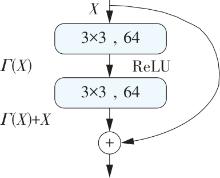
Fig.1
Residual unit
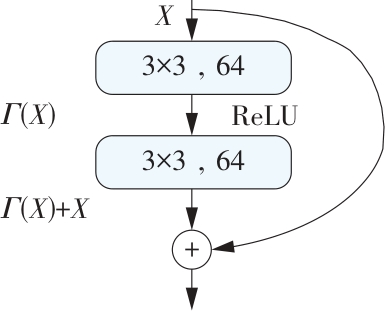
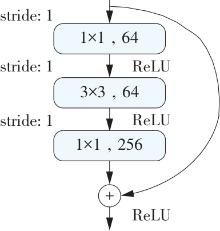
Fig.2
Bottleneck structure
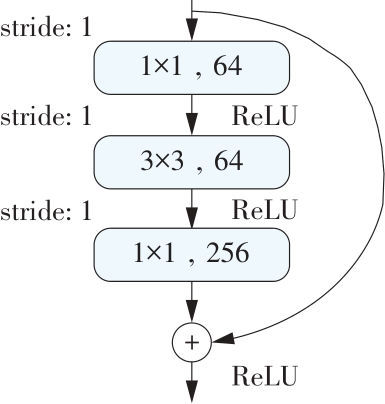
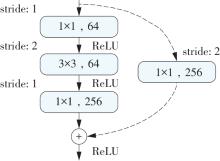
Fig.3
Dashed-line BottleBlock structure
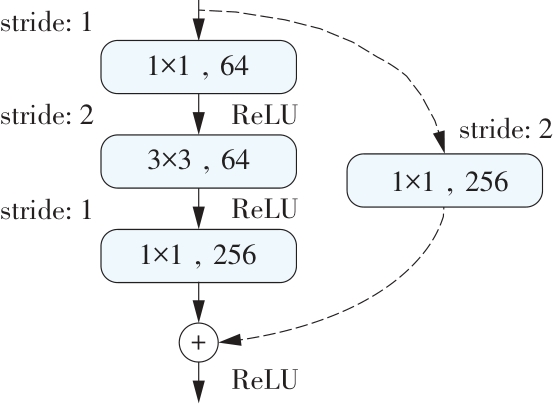
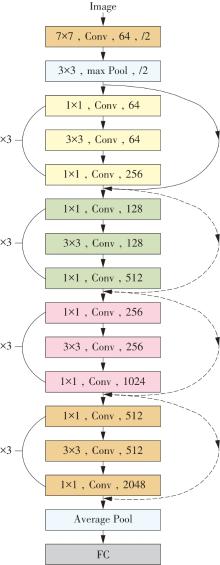
Fig.4
ResNet101 structure
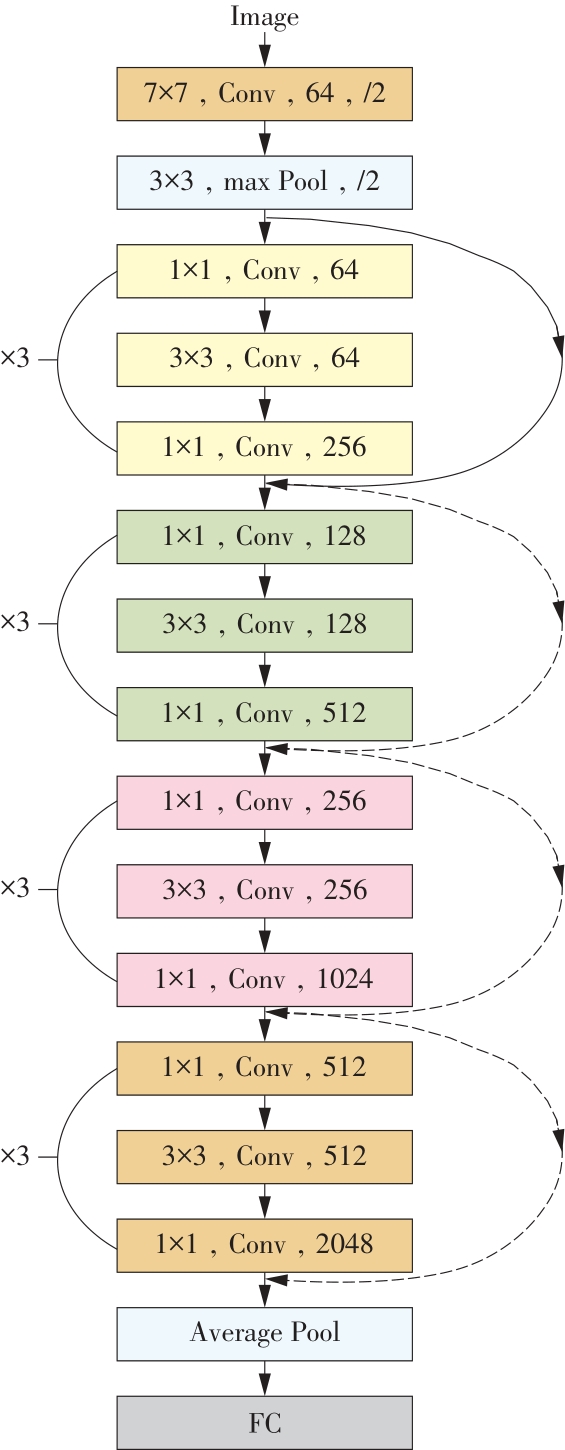
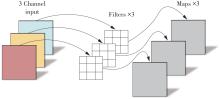
Fig.5
Deepwise convolution structure
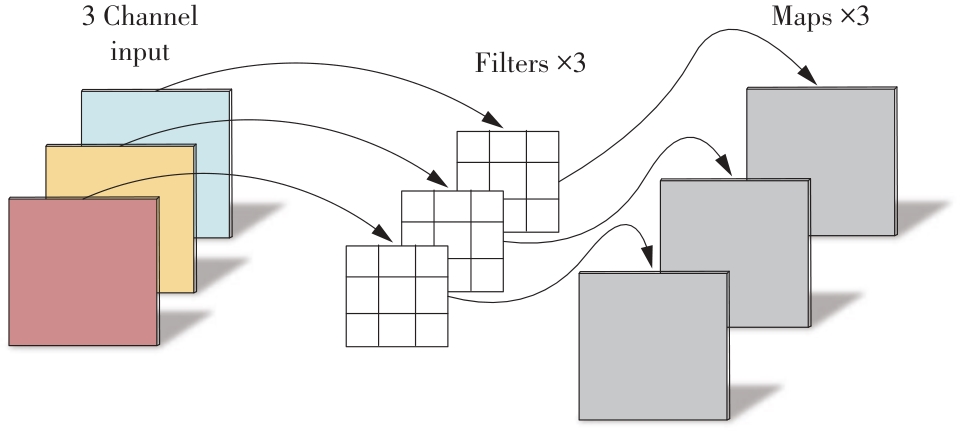
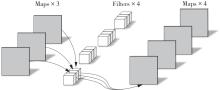
Fig.6
Point convolution structure
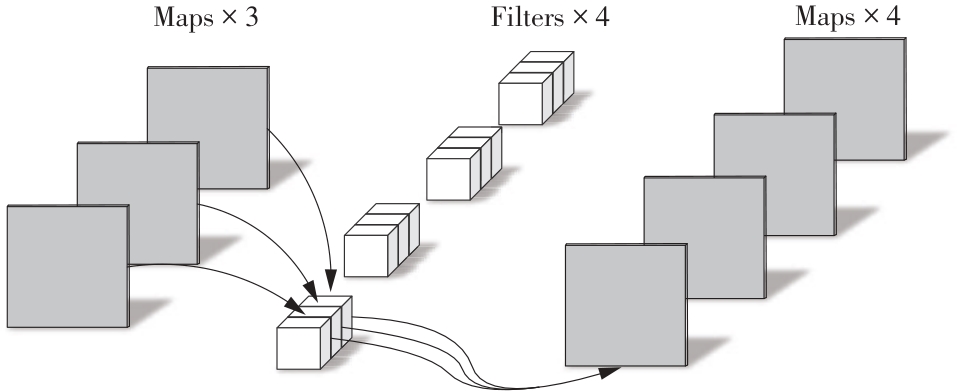
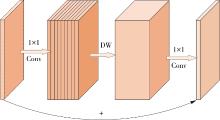
Fig.7
Inverted residual module
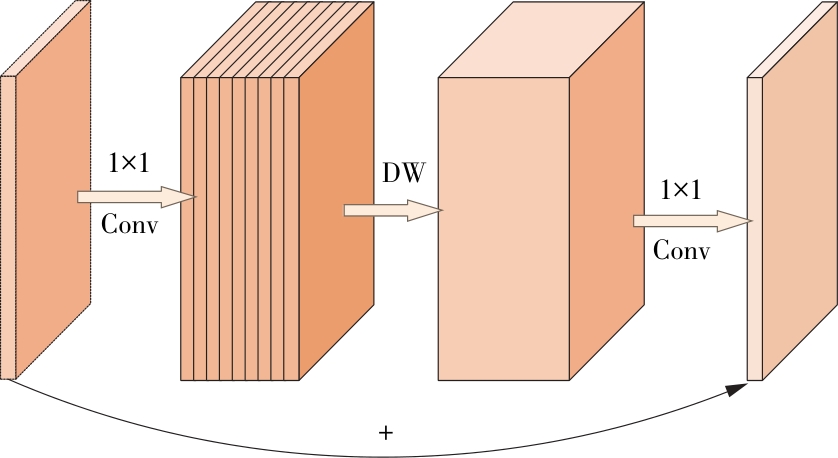
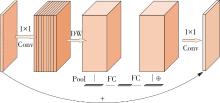
Fig8
Inverted residual module with SE
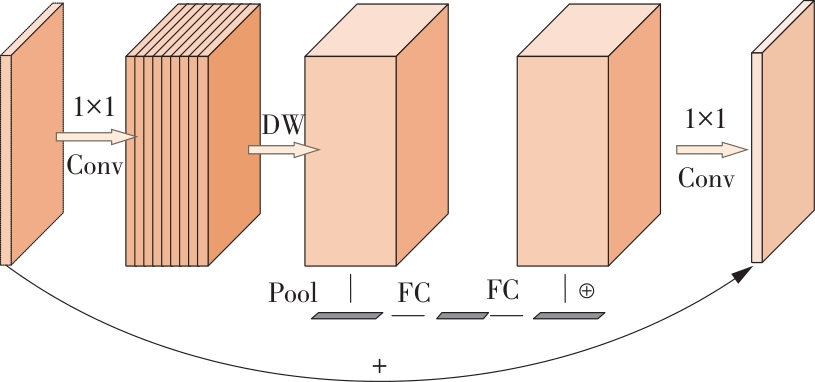
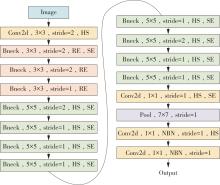
Fig.9
MobileNetV3large structure
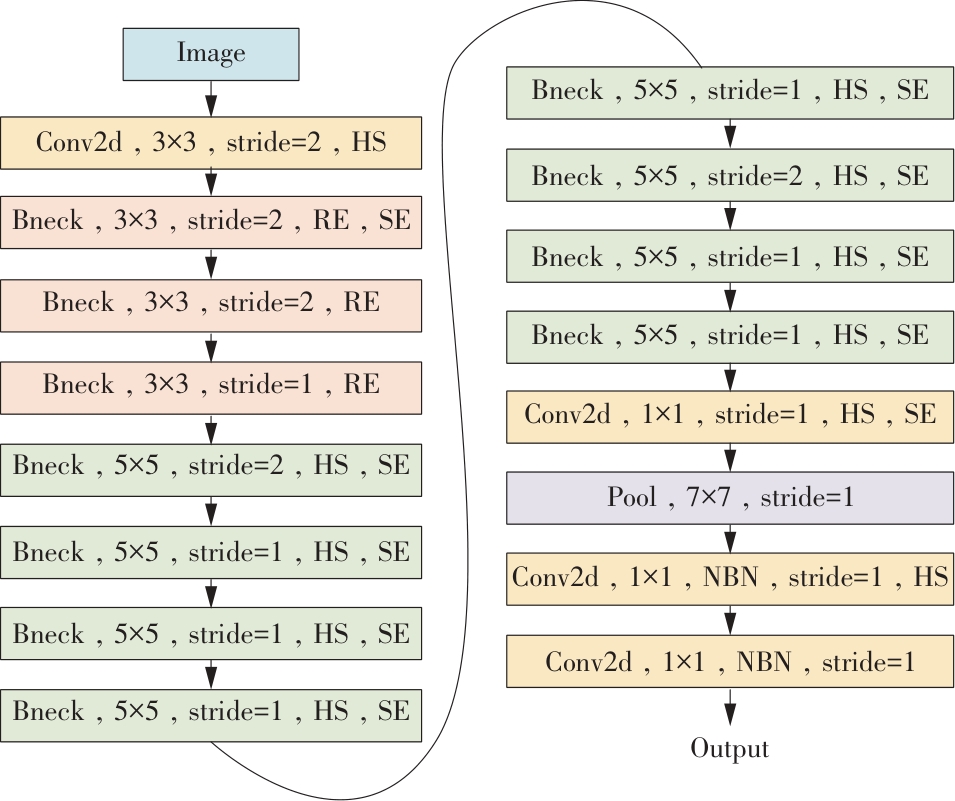
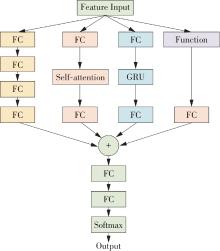
Fig.10
ComNet structure
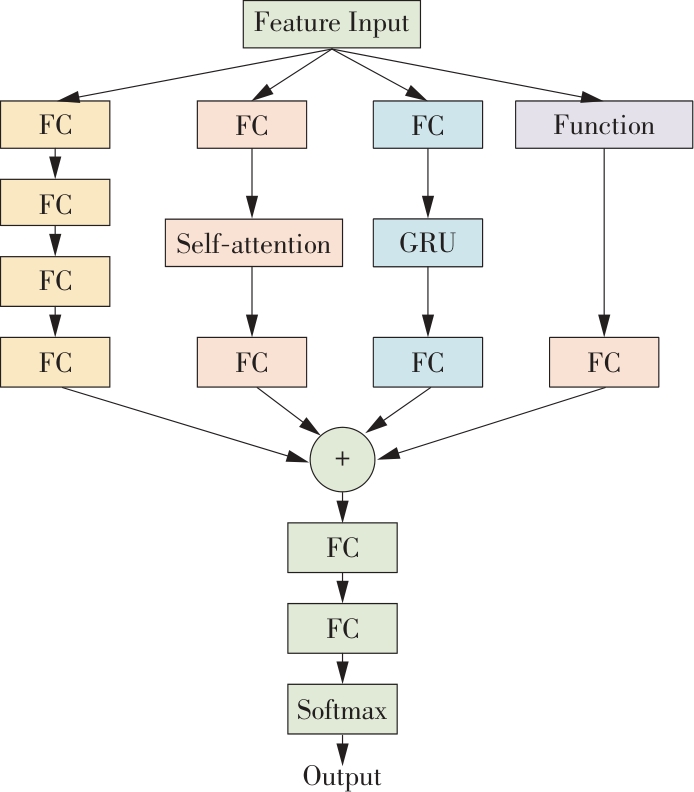
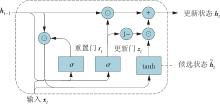
Fig.11
GRU structure
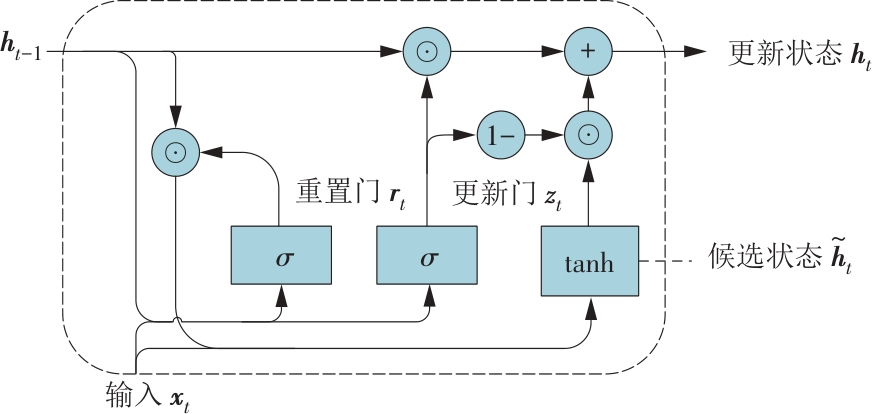
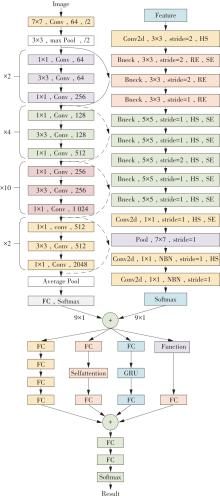
Fig.12
RMC network structure
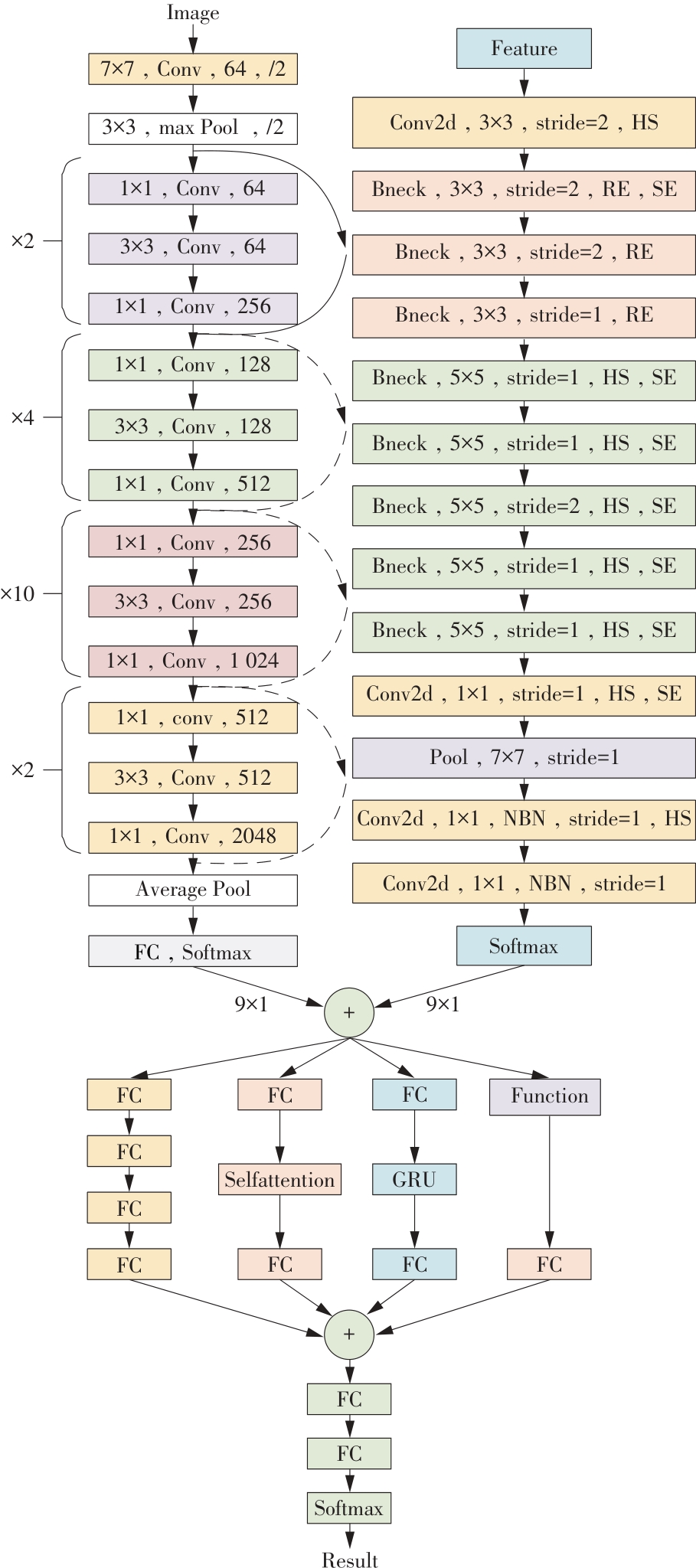
Table 1
Definition of power levels kW
| 功率等级 | 平均功率 | 功率等级 | 平均功率 |
|---|---|---|---|
| f1 | 239.220 | f6 | 3 750.000 |
| f2 | 396.000 | f7 | 2 000.000 |
| f3 | 397.870 | f8 | 500.000 |
| f4 | 332.395 | f9 | 6 000.000 |
| f5 | 201.140 |
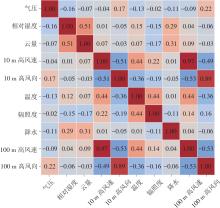
Fig.13
Training set heatmap of dataset 1
Fig.14
Test set heatmap of dataset 1
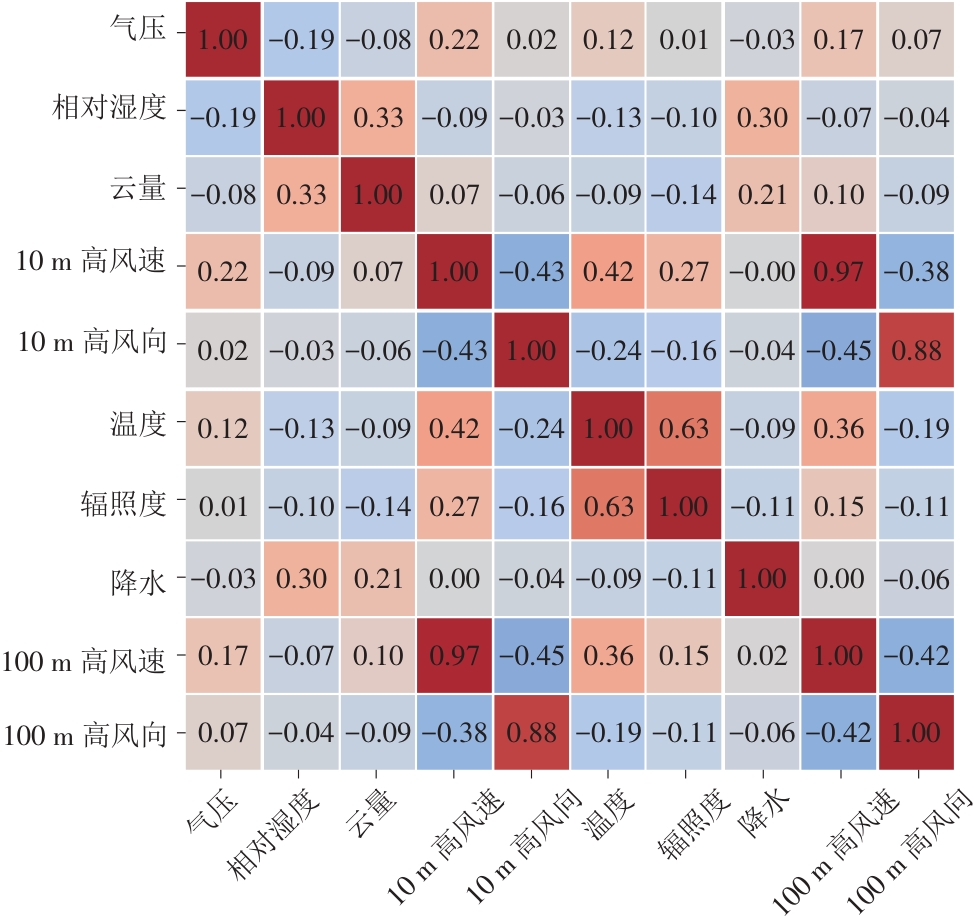
Fig.15
Training set heatmap of dataset 2
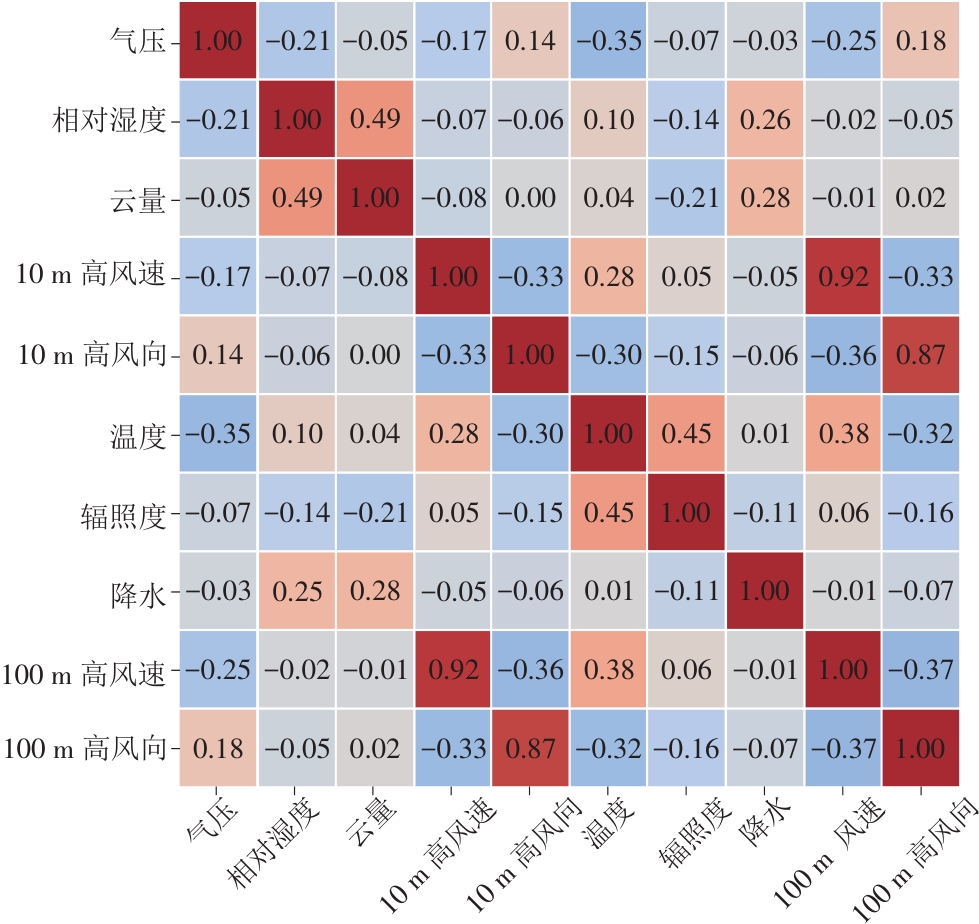
Fig.16
Test set heatmap of dataset 2
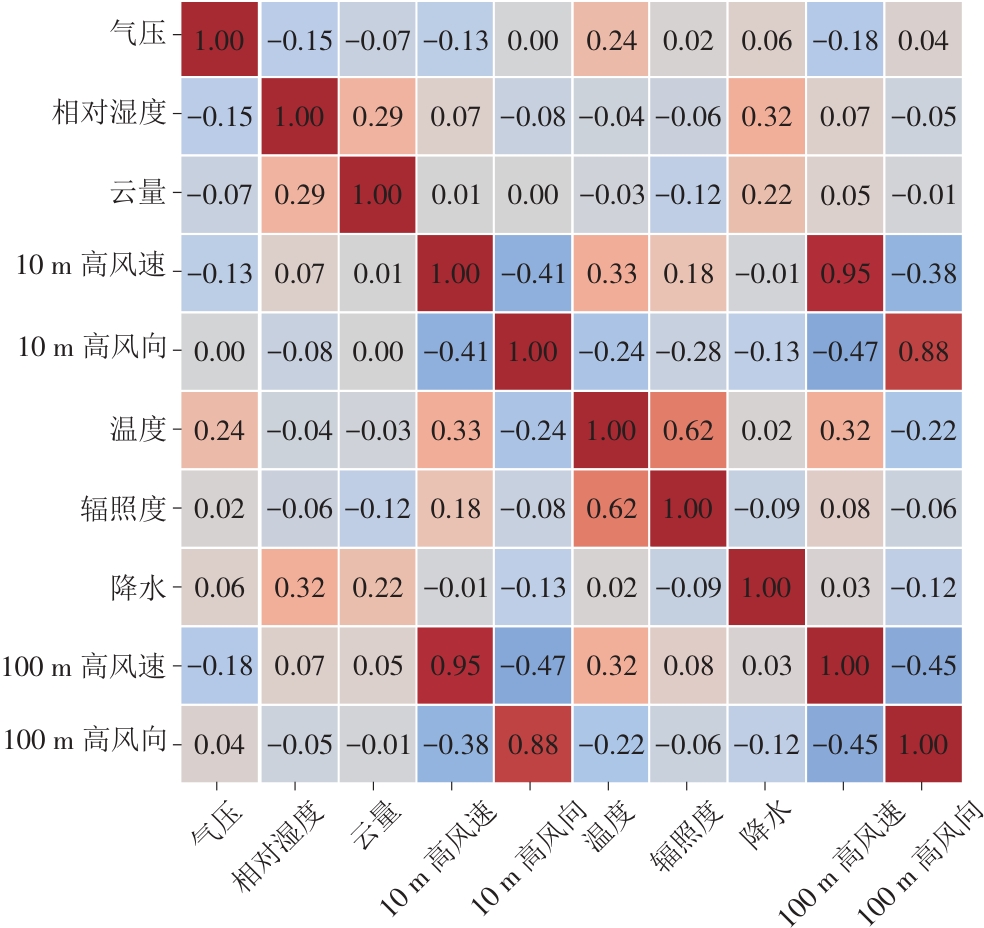
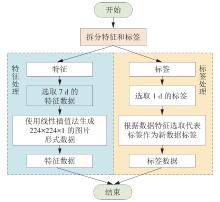
Fig.17
Data processing flowchart
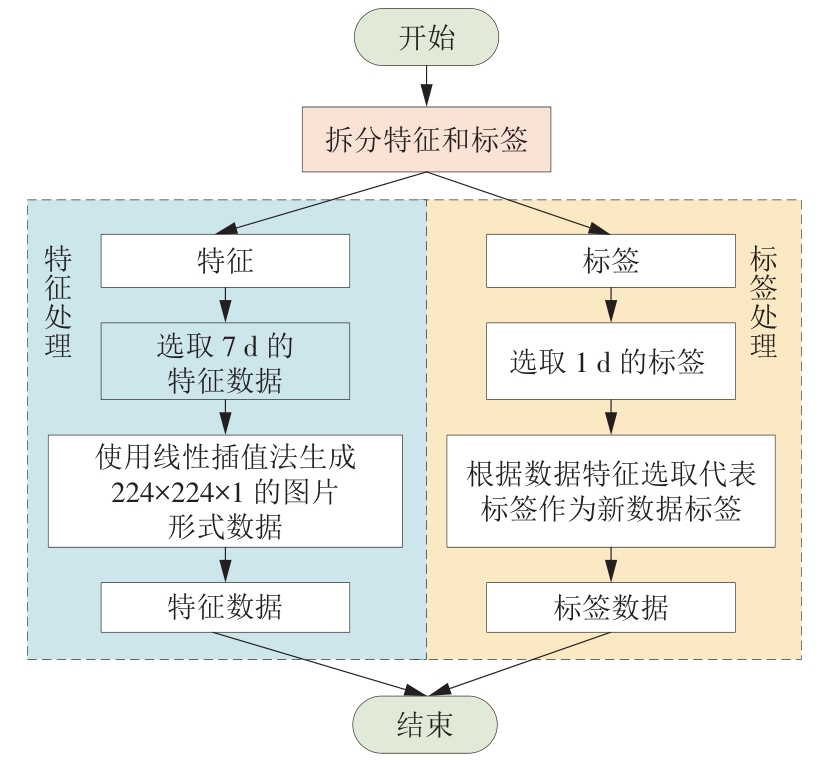
Table 2
Comparison of data processing accuracy
| 模型 | Letterbox | 双线性插 值法 | 去归一化双线性插值法 |
|---|---|---|---|
| InceptionV1 | 0.111 0 | 0.111 0 | 0.099 9 |
| InceptionV2 | 0.111 1 | 0.111 0 | 0.113 7 |
| Inception-ResNetV1 | 0.111 0 | 0.111 0 | 0.115 1 |
| Inception-ResNetV2 | 0.111 0 | 0.111 0 | 0.113 7 |
| ShuffleunitNet | 0.111 1 | 0.111 0 | 0.119 3 |
| SqueezeNet | 0.111 0 | 0.111 0 | 0.099 9 |
| DenseNet121 | 0.111 1 | 0.111 0 | 0.221 9 |
| ResNet18 | 0.111 1 | 0.111 0 | 0.567 1 |
| ResNet50 | 0.111 0 | 0.111 1 | 0.620 0 |
| ResNet101 | 0.111 1 | 0.111 1 | 0.636 1 |
| MobileNetV1 | 0.111 1 | 0.111 0 | 0.111 0 |
| MobileNetV2 | 0.111 0 | 0.111 0 | 0.155 3 |
| MobileNetV3 | 0.111 1 | 0.111 1 | 0.111 0 |
Table 3
Hyperparameter settings
| 参数 | 数值 |
|---|---|
| 学习率 | 0.01 |
| 批次 | 32 |
| 输入通道数 | 1 |
| 输入数据尺寸 | 224×224 |
| 损失函数 | 交叉熵损失函数 |
| 优化器 | 随机梯度下降优化器 |
Table 4
Comparison of models on test data of dataset 1
| 模型 | 准确率 | 精确率 | 召回率 | F1分数 |
|---|---|---|---|---|
| InceptionV1 | 0.099 9 | 0.010 0 | 0.099 9 | 0.018 1 |
| InceptionV2 | 0.113 7 | 0.012 9 | 0.113 7 | 0.023 2 |
| Inception-ResNetV1 | 0.115 1 | 0.125 2 | 0.115 1 | 0.032 4 |
| Inception-ResNetV2 | 0.113 7 | 0.012 9 | 0.113 7 | 0.023 2 |
| ShuffleunitNet | 0.119 3 | 0.014 2 | 0.119 3 | 0.025 4 |
| SqueezeNet | 0.099 9 | 0.010 0 | 0.099 9 | 0.018 1 |
| DenseNet121 | 0.221 9 | 0.062 7 | 0.221 9 | 0.096 7 |
| ResNet18 | 0.567 1 | 0.564 9 | 0.567 1 | 0.549 2 |
| ResNet50 | 0.620 0 | 0.616 7 | 0.620 0 | 0.597 6 |
| ResNet101 | 0.636 1 | 0.634 2 | 0.636 1 | 0.599 6 |
| MobileNetV1 | 0.111 0 | 0.012 3 | 0.111 0 | 0.022 2 |
| MobileNetV2 | 0.155 3 | 0.085 4 | 0.155 3 | 0.107 5 |
| MobileNetV3 | 0.111 0 | 0.012 3 | 0.111 0 | 0.022 2 |
| Res-MobileComNet | 0.726 8 | 0.734 4 | 0.726 8 | 0.721 3 |
Table 5
Comparison of ablation models on dataset 1
| 模型 | 准确率 |
|---|---|
| LightResNet | 0.636 6 |
| LightMobileNetV3large | 0.632 5 |
| Res-MobileCom | 0.726 8 |
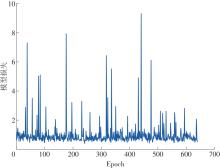
Fig.18
Loss curve of dataset 1
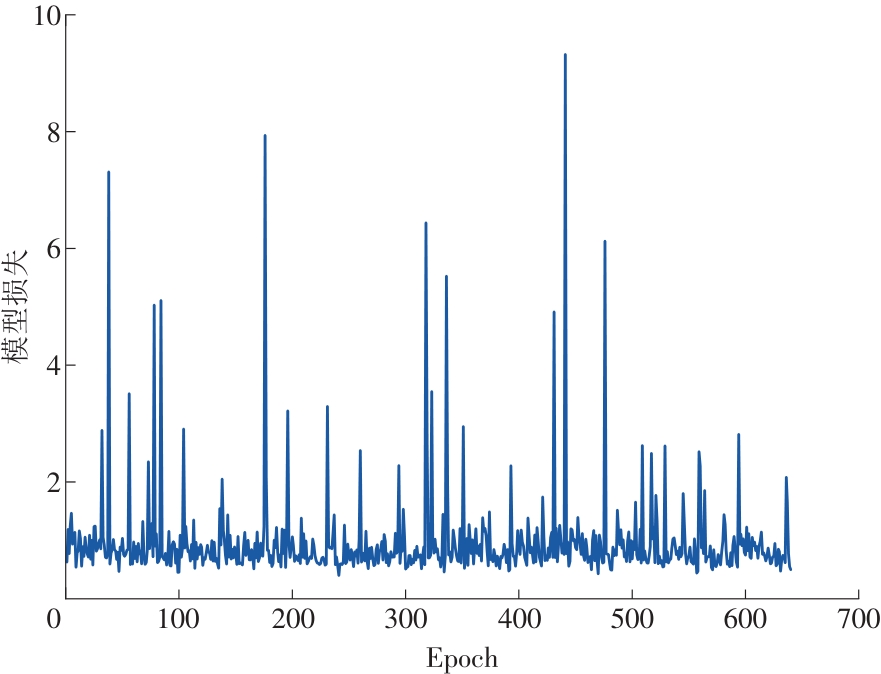
Table 6
Comparison of models on test data of dataset 2
| 模型 | 准确率 | 精确率 | 召回率 | F1分数 |
|---|---|---|---|---|
| InceptionV1 | 0.070 0 | 0.004 9 | 0.070 0 | 0.009 2 |
| InceptionV2 | 0.090 0 | 0.008 1 | 0.090 0 | 0.014 9 |
| Inception-ResNetV1 | 0.180 0 | 0.032 4 | 0.180 0 | 0.054 9 |
| Inception-ResNetV2 | 0.120 0 | 0.014 4 | 0.120 0 | 0.025 7 |
| ShuffleunitNet | 0.090 0 | 0.008 1 | 0.090 0 | 0.014 9 |
| SqueezeNet | 0.080 0 | 0.006 4 | 0.080 0 | 0.011 9 |
| DenseNet121 | 0.470 0 | 0.364 1 | 0.470 0 | 0.395 3 |
| ResNet18 | 0.310 0 | 0.241 2 | 0.310 0 | 0.348 6 |
| ResNet50 | 0.340 0 | 0.219 5 | 0.340 0 | 0.266 1 |
| ResNet101 | 0.420 0 | 0.348 7 | 0.420 0 | 0.365 2 |
| MobileNetV1 | 0.120 0 | 0.014 4 | 0.120 0 | 0.025 7 |
| MobileNetV2 | 0.320 0 | 0.210 9 | 0.320 0 | 0.201 6 |
| MobileNetV3 | 0.410 0 | 0.286 0 | 0.410 0 | 0.322 8 |
| Res-MobileComNet | 0.630 0 | 0.573 1 | 0.630 0 | 0.588 5 |
Table 7
Comparison of ablation models on dataset 2
| 模型 | 准确率 |
|---|---|
| LightResNet | 0.400 0 |
| LightMobileNetV3large | 0.410 0 |
| Res-MobileCom | 0.630 0 |
Fig.19
Loss curve of dataset 2
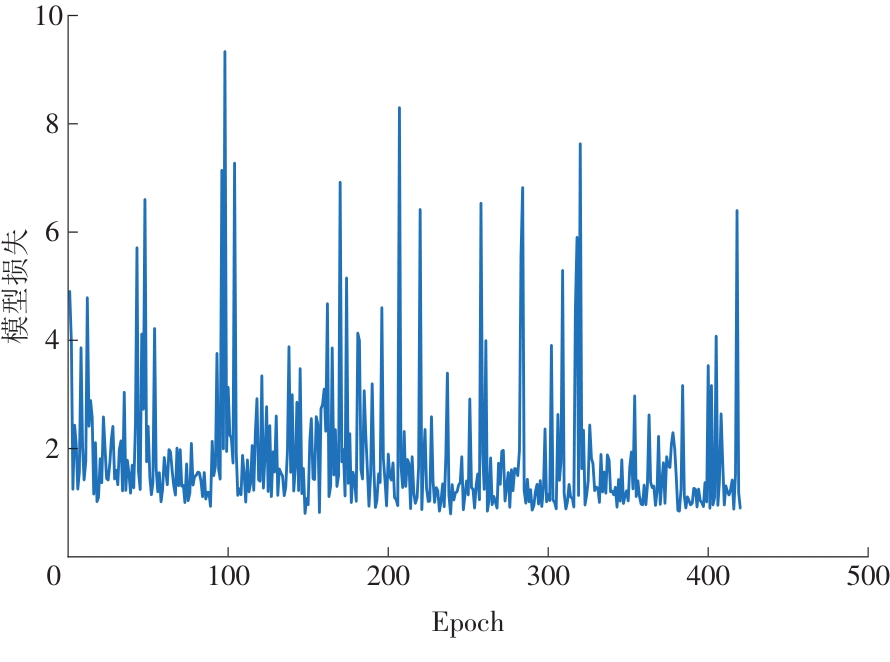
Table 8
Comparison between large and small datasets %
| 分析维度 | 小数据集 | 大数据集 |
|---|---|---|
| 训练集准确率 | 45 | 52 |
| 测试集准确率 | 63 | 72 |
| 拟合缺口 | 18 | 20 |
Table 9
Results of significance test
| 数据集 | 统计量 | P值 |
|---|---|---|
| 1 | 64.49 | 0.000 08 |
| 2 | 12.25 | 0.000 46 |
Table 10
Ablation test results of Function module %
| Function模块形式 | 测试集准确率 |
|---|---|
| 51 | |
| 63 |
Table 11
Lightweight analysis
| 项目 | LightResNet | LightMobile NetV3large | ComNet |
|---|---|---|---|
| 训练时间/s | 5.80 | 2.05 | 0.11 |
| 推理时间/s | 0.359 1 | 0.123 4 | 0.008 6 |
| 内存占用/MB | 1 332.12 | 1 275.95 | 0.02 |
| 参数量/MB | 135.200 | 2.990 | 0.124 |
| [1] |
何兴, 王旭, 许野, 等. 光伏产业与环境支撑体系的耦合协调研究[J]. 太阳能学报, 2023, 44(9): 194-203.
doi: 10.19912/j.0254-0096.tynxb.2022-0724 |
|
HE Xing, WANG Xu, XU Ye, et al. Study on coupling coordination between photovoltaic industry and environmental support system[J]. Acta Energiae Solaris Sinica, 2023, 44(9): 194-203.
doi: 10.19912/j.0254-0096.tynxb.2022-0724 |
|
| [2] |
叶幸, 邱辰, 艾琳, 等. “双碳”目标下可再生能源绿证与碳交易衔接机制的思考[J]. 综合智慧能源, 2025, 47(5): 12-20.
doi: 10.3969/j.issn.2097-0706.2025.05.002 |
|
YE Xing, QIU Chen, AI Lin, et al. Connection mechanism between green certificates and carbon trading mechanism under the "double carbon" target[J]. Integrated Intelligent Energy, 2025, 47(5): 12-20.
doi: 10.3969/j.issn.2097-0706.2025.05.002 |
|
| [3] | 王剑斌, 傅金波, 陈博. 基于强化学习的多模型融合光伏发电功率预测方法[J]. 太阳能学报, 2024, 45(6): 382-388. |
| WANG Jianbin, FU Jinbo, CHEN Bo. Multi-model fusion photovoltaic power generation prediction method based on reinforcement learning[J]. Acta Energiae Solaris Sinica, 2024, 45(6): 382-388. | |
| [4] | 江泽涛. 深度学习在光伏系统短期发电功率预测的应用研究[D]. 北京: 华北电力大学, 2024. |
| JIANG Zetao. Research on the application of deep learning in short-term generation power prediction of photovoltaic system[D]. Beijing: North China Electric Power University, 2024. | |
| [5] | 张研, 景超, 王慧民, 等. 基于周期注意力机制的中长期光伏发电功率预测[J]. 太阳能学报, 2024, 45(10): 298-308. |
| ZHANG Yan, JING Chao, WANG Huimin, et al. Medium and long term photovoltaic power prediction based on periodic attention mechanism[J]. Acta Energiae Solaris Sinica, 2024, 45(10): 298-308. | |
| [6] | 彭曙蓉, 陈慧霞, 孙万通, 等. 基于改进LSTM的光伏发电功率预测方法研究[J]. 太阳能学报, 2024, 45(11): 296-302. |
| PENG Shurong, CHEN Huixia, SUN Wantong, et al. Research on photovoitaic power prediction method based on improved LSTM[J]. Acta Energiae Solaris Sinica, 2024, 45(11): 296-302. | |
| [7] | 温廷新, 郭晓赛. 基于特征组合的ECA-TCN光伏发电功率预测模型[J]. 太阳能学报, 2024, 45(12): 94-100. |
| WEN Tingxin, GUO Xiaosai. ECA-TCN photovoltaic power prediction model based on feature combination[J]. Acta Energiae Solaris Sinica, 2024, 45(12): 94-100. | |
| [8] | 王玲芝, 李晨阳, 刘婧, 等. 基于GRO-SSA-LSTM的短期光伏发电功率预测[J]. 太阳能学报, 2025, 46(2): 401-409. |
| WANG Lingzhi, LI Chenyang, LIU Jing, et al. Short term photovoltaic power prediction based on GRO-SSA-LSTM[J]. Acta Energiae Solaris Sinica, 2025, 46(2): 401-409. | |
| [9] | 冯建铭, 希望·阿不都瓦依提, 蔺红. 基于聚类SABO-VMD和组合神经网络的短期光伏发电功率预测[J]. 太阳能学报, 2025, 46(2): 357-366. |
| FENG Jianming, ABUDUWAYITI Xiwang, LIN Hong. Short-term PV power forecasting based on clustering SABO-VMD and ensemble neural networks[J]. Acta Energiae Solaris Sinica, 2025, 46(2): 357-366. | |
| [10] | 李超, 涂腾, 彭勋辉, 等. 融合DT-BO-GRU的中长期光伏功率滚动预测模型[J]. 太阳能学报, 2025, 46(5): 275-284. |
| LI Chao, TU Teng, PENG Xunhui, et al. Medium-and long-term rolling prediction model of pv power fused with DT-BO-GRU[J]. Acta Energiae Solaris Sinica, 2025, 46(5): 275-284. | |
| [11] |
YILDIZ C, ACIKGOZ H, KORKMAZ D, et al. An improved residual-based convolutional neural network for very short-term wind power forecasting[J]. Energy Conversion and Management, 2021, 228:113731.
doi: 10.1016/j.enconman.2020.113731 |
| [12] | ANG P Z, CHEN D, HOU Y S. Entropy method combined with extreme learning machine method for the short-term photovoltaic power generation forecasting[J]. Chaos Solitons & Fractals, 2015,89: 243-248. |
| [13] |
DASH D R, DASH P K, RANJEETA B. Short term solar power forecasting using hybrid minimum variance expanded RVFLN and Sin-Cosine Levy Flight PSO algorithm[J]. Renewable Energy, 2021, 174: 513-537.
doi: 10.1016/j.renene.2021.04.088 |
| [14] |
DUAN Z H, LU M, MA J, et al. QARV: Quantization-aware ResNet VAE for lossy image compression[J]. IEEE Transactions on Pattern Analysis and Machine Intelligence, 2024, 46(1): 436-450.
doi: 10.1109/TPAMI.2023.3322904 |
| [15] |
HAN Y M, CAO LIAN, GENG Z Q, et al. Novel economy and carbon emissions prediction model of different countries or regions in the world for energy optimization using improved residual neural network[J]. Science of the Total Environment, 2023, 860:160410.
doi: 10.1016/j.scitotenv.2022.160410 |
| [16] | MICHAEL R, SAMANTHA H, MEAGHAN S, et al. An AI based smart-phone system for asbestos identification[J]. Journal of Hazardous Materials, 2024,463:132853. |
| [17] |
JIANG T Y, LI L Y, SAMALI B, et al. Lightweight object detection network for multi-damage recognition of concrete bridges in complex environments[J]. Computer-Aided Civil and Infrastructure Engineering, 2024, 39(23): 3646-3665.
doi: 10.1111/mice.v39.23 |
| [18] | QIAN S Y, NING C R, HU Y P. MobileNetV3 for image classification[C]// IEEE International Conference on Big Data, 2021: 490-497. |
| [19] | CUI Y, XIA J B, WANG Z T, et al. Lightweight spectral-spatial attention network for hyperspectral image classification[J]. IEEE Transactions on Geoscience and Remote Sensing, 2021, 60: 5510114. |
| [20] |
PRASAD S B R, CHANDANA B S. MobileNetV3: A deep learning technique for human face expressions identification[J]. International Journal of Information Technology, 2023, 15(6): 3229-3243.
doi: 10.1007/s41870-023-01380-x |
| [21] | XIAO P C, XU W G, ZHANG Y, et al. Research on scrap classification and rating method based on SE attention mechanism[J]. Chinese Journal of Engineering, 2023, 45(8):1342-1352. |
| [22] | LI Z Y, DENG X Y, ZHANG L M. et al. Dual-channel CNN structure based on swish activation function[J]. Computer & Digital Engineering, 2020, 48(6): 1413-1416. |
| [23] | JIANG A B, WANG W W. Research on optimization of ReLU activation function[J]. Transducer and Microsystem Technologies, 2018, 37(2):50-52. |
| [24] | HOWARD A, SANDLER M, CHU G, et al. Searching for MobileNetV3[C]// Proceedings of the IEEE/CVF International Conference on Computer Vision, 2019: 1314-1324. |
| [25] | 刘岱, 李晨辉. 基于Inception-BiLSTM的航空电缆电弧故障检测[J]. 科学技术与工程, 2025, 25(14):6100-6108. |
| LIU Dai, LI Chenhui. Aviation cable arc fault detection based on Inception-BiLSTM[J]. Science Technology and Engineering, 2025, 25(14): 6100-6108. | |
| [26] | 毕贵红, 孔凡文, 黄泽, 等. 基于Inception和注意力机制的双分支日前电价预测[J]. 电力系统自动化, 2025, 49(5): 128-144. |
| BI Guihong, KONG Fanwen, HUANG Ze, et al. Double-branch day-ahead electricity price forecasting based on Inception and attention mechanism[J]. Automation of Electric Power Systems, 2025, 49(5): 128-144. | |
| [27] | MAN W Y, YANG G Q, FENG S R. Joint selfattention-SVM DDoS attack detection and defense mechanism based on self-attention mechanism and SVM classification for SDN networks[C]// IEICE Transactions on Fundamentals of Electronics Communications and Computer Sciences, 2023:881-889. |
| [28] | SUN N, XU W, LIU J X, et al. The multimodal scene recognition method based on self-attention and distillation[J]. IEEE Multimedia, 2024:31(4):25-36. |
| [29] |
杨澜倩, 郭锦敏, 田慧丽, 等. 基于CNN-LSTM-Self attention的园区负荷多尺度预测研究[J]. 综合智慧能源, 2025, 47(2): 79-87.
doi: 10.3969/j.issn.2097-0706.2025.02.008 |
|
YANG Lanqian, GUO Jinmin, TIAN Huili, et al. Research on multi-scale load prediction in parks based on CNN-LSTM-Self attention[J]. Integrated Intelligent Energy, 2025, 47(2): 79-87.
doi: 10.3969/j.issn.2097-0706.2025.02.008 |
|
| [30] | FANTINI D, SILVA R, SIQUEIRA M, et al. Wind speed short-term prediction using recurrent neural network GRU model and stationary wavelet transform GRU hybrid model[J]. Energy Conversion and Management, 2024,308:118333. |
| [1] | YIN Linfei, TONG Bowen, LI Wenji. Multiscale convolution-residual network for short-term wind power forecasting [J]. Integrated Intelligent Energy, 2025, 47(6): 1-10. |
| [2] | ZHANG Dongdong, LI Fangning, LIU Tianhao. Key technologies for load forecasting in new power systems and their applications in diverse scenario [J]. Integrated Intelligent Energy, 2025, 47(3): 47-61. |
| [3] | DENG Zhenyu, WANG Rukang, XU Gang, YUN Kun, WANG Ying. Current status of fault diagnosis for CHP units in integrated energy systems [J]. Integrated Intelligent Energy, 2024, 46(8): 67-76. |
| [4] | FENG Ji, YANG Guohua, SHI Lei, PAN Huan, LU Yuxiang, ZHANG Yuanxi, LI Zhen. Research on fault diagnosis of active distribution network based on parallel fusion deep residual shrinkage network [J]. Integrated Intelligent Energy, 2024, 46(6): 8-15. |
| [5] | WANG Liang, DENG Song. Anomalous data detection methods for new power systems [J]. Integrated Intelligent Energy, 2024, 46(5): 12-19. |
| [6] | LYU Yongsheng, ZHANG Xiaoyu, WANG Xirong, GUO Peiqian. Application and prospect of federated learning in new power systems [J]. Integrated Intelligent Energy, 2024, 46(11): 54-64. |
| [7] | ZHANG Wenqiang, LI Jiashu, XUAN Yang, LI Chen, QIAN Hang, ZHANG Xiaoyu. Defect detection method of PV panels based on multi-scale fusion and improved YOLOv8n [J]. Integrated Intelligent Energy, 2024, 46(11): 29-37. |
| [8] | LI Fangyi, LI Nan, ZHOU Yan, XIE Wu. Prediction on the regional carbon emission factor for power generation based on multi-dimensional data and deep learning [J]. Integrated Intelligent Energy, 2023, 45(8): 11-17. |
| [9] | FANG Rui, DUAN Zhiyong, LIU Zaizhi, WANG Yuxuan, LIU Chenxi, LI Hao, FAN Chuigang. Review on marine litter treatment technologies [J]. Integrated Intelligent Energy, 2023, 45(5): 70-79. |
| [10] | LIN Honghong, YU Tao, ZHANG Guiyuan, ZHANG Xiaoshun. Data-driven reactive power optimization algorithm for the distribution network with high proportion of renewable energy [J]. Integrated Intelligent Energy, 2023, 45(11): 10-19. |
| [11] | LYU Zhengquan, LI Zhaoyang, WANG Haifeng, CHEN Yijun, PENG Daogang. An intrusion detection method for integrated energy network based on GRU-CNN [J]. Huadian Technology, 2021, 43(2): 9-14. |
| [12] | XIAO Xinshuai, TIAN Xiuxia, XU Man. Research on insulator detection technology based on end-to-end algorithm [J]. Huadian Technology, 2021, 43(2): 28-33. |
| [13] | LI Xiaobin, ZHANG Hongna, QU Kaiyang, LI Fengchen. Analysis on the superiority of nuclear energy district heating systems [J]. Huadian Technology, 2020, 42(11): 69-82. |
| Viewed | ||||||
|
Full text |
|
|||||
|
Abstract |
|
|||||