Integrated Intelligent Energy ›› 2026, Vol. 48 ›› Issue (6): 82-91.doi: 10.3969/j.issn.2097-0706.2026.06.007
• Energy Storage and Peak Regulation Technology • Previous Articles Next Articles
WANG Jin1( ), QIU Yong1, ZHANG Ruifang1, LIU Yuhui1,2,*(), SHAO Jintao1
Received:2026-01-21
Revised:2026-03-11
Published:2026-06-25
Contact:
LIU Yuhui
E-mail:wangj@tongyuan.cc;liuyh@tongyuan.cc
Supported by:CLC Number:
WANG Jin, QIU Yong, ZHANG Ruifang, LIU Yuhui, SHAO Jintao. Simulation and optimal scheduling of integrated heat-electricity-gas energy systems considering network dynamic characteristics[J]. Integrated Intelligent Energy, 2026, 48(6): 82-91.
Add to citation manager EndNote|Ris|BibTeX
URL: https://www.hdpower.net/EN/10.3969/j.issn.2097-0706.2026.06.007
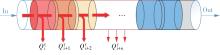
Fig.1
Physical model of pipe heat transfer
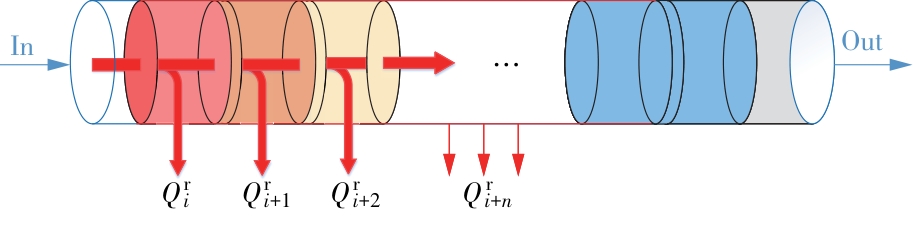
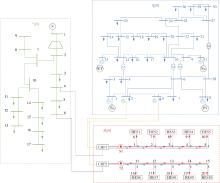
Fig.2
IES topology
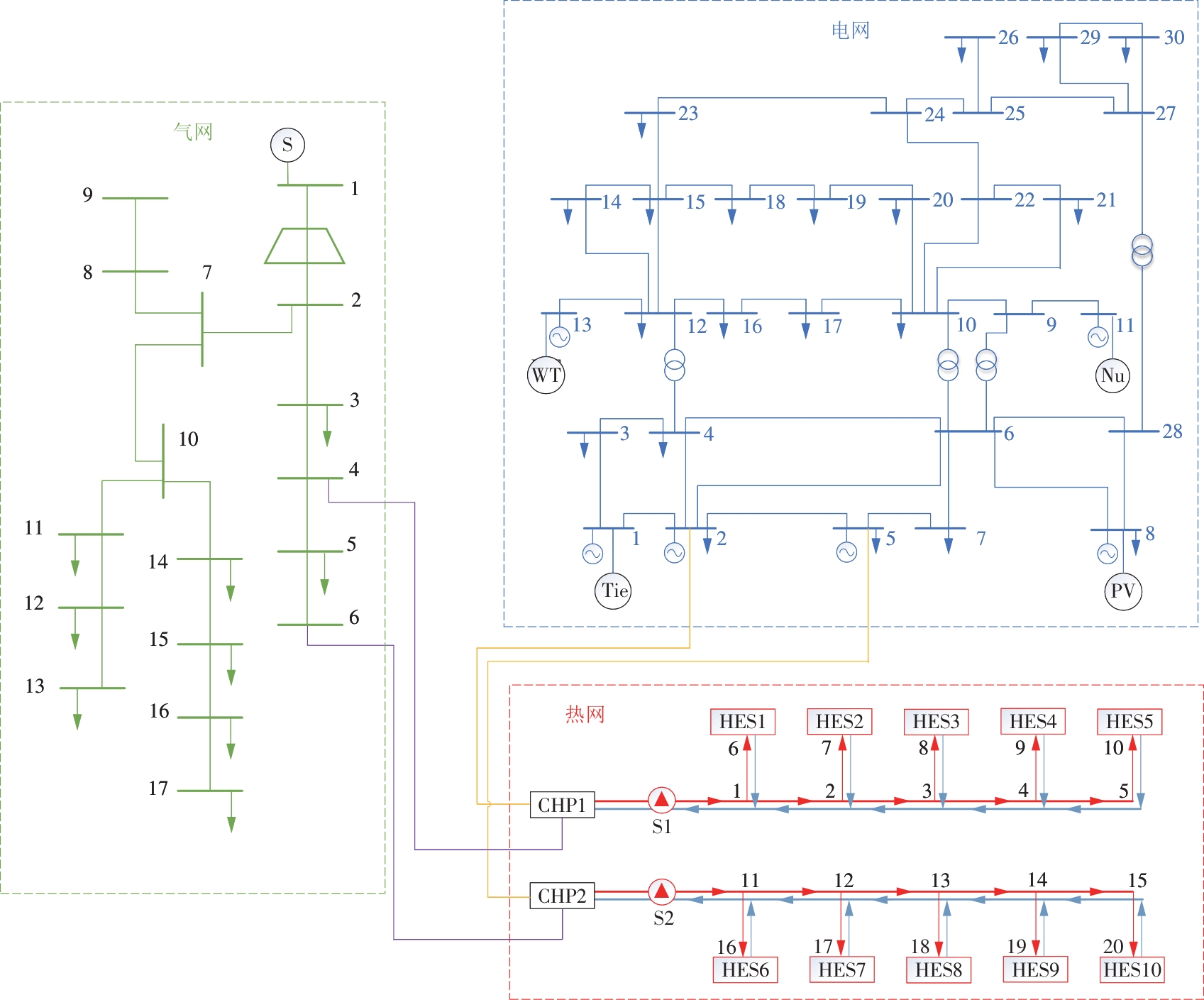
Table 1
Key parameters of topology system equipment
| 设备 | 参数 | 数值 |
|---|---|---|
| WT | 额定功率/MW | 2.5 |
| 额定风速/(m·s-1) | 10 | |
| 切入风速/(m·s-1) | 3 | |
| 切出风速/(m·s-1) | 20 | |
| PV | 额定功率/MW | 2 |
| 光电转化综合效率 | 0.95 | |
| 标准辐照度/(W·m-2) | 1 000 | |
| 标准测试温度/K | 298.15 | |
| CHP | 能量转换效率 | 0.6 |
| 热电比 | 1.5 | |
| 燃气体积热值/(MJ·m-3) | 39 | |
| 天然气 | 恒定气源压力/kPa | 800 |
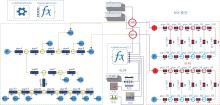
Fig.3
IES operational decision-making and simulation evaluation model
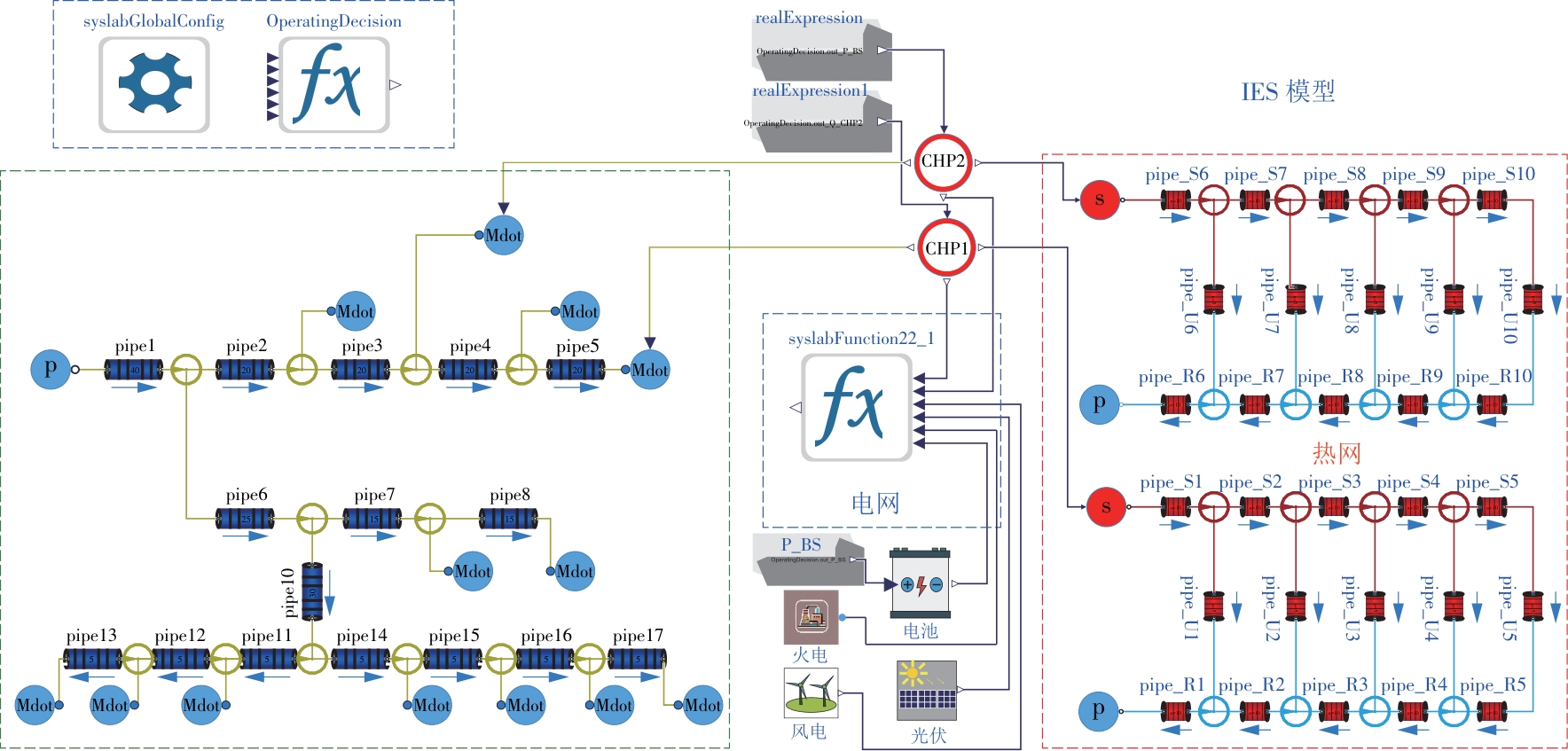
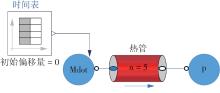
Fig.4
Heating pipeline simulation model
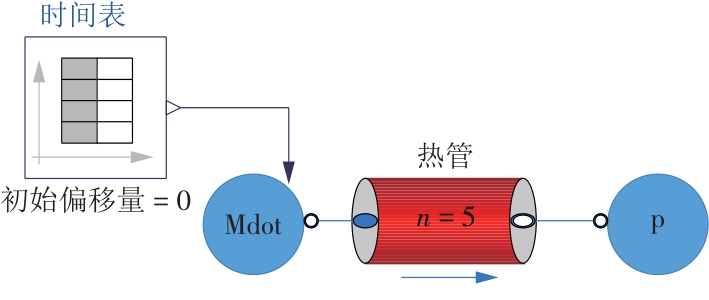
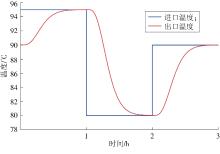
Fig.5
Pipeline simulation results
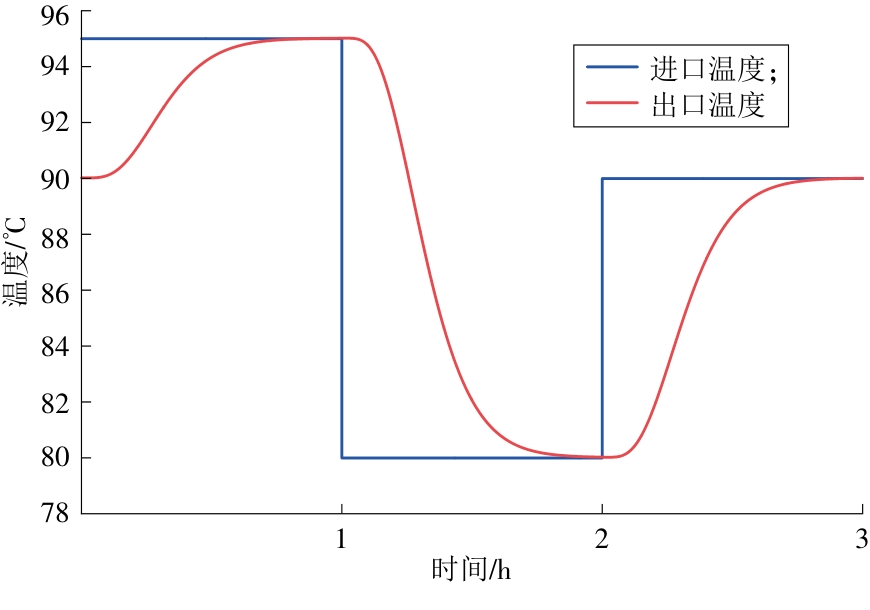
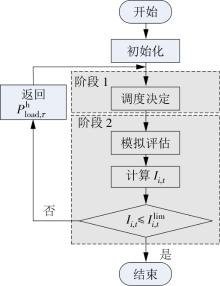
Fig.6
Two-stage optimal scheduling process
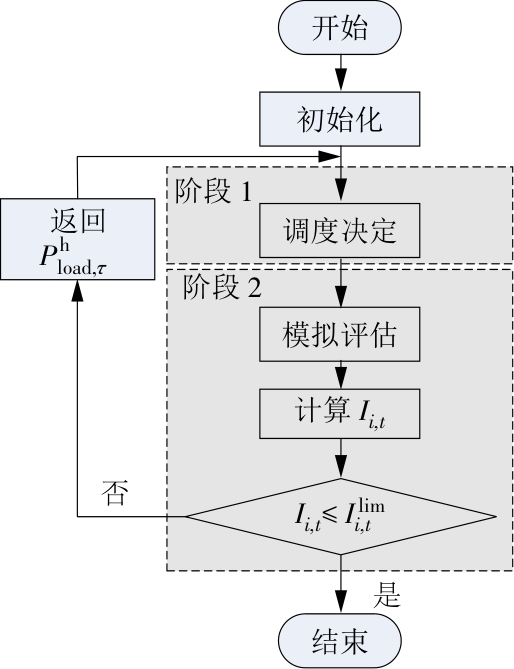
Table 2
Operational results of HTD-TSOS and C-OS
| 参数 | C-OS | HTD-TSOS |
|---|---|---|
| 9.58 | 0.97 | |
| Δt/min | 60 | 30 |
| 运行成本/万元 | 401.148 | 400.108 |
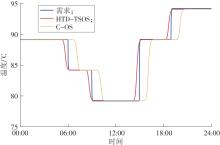
Fig.7
Heat demand and supply water temperature at the most unfavorable node
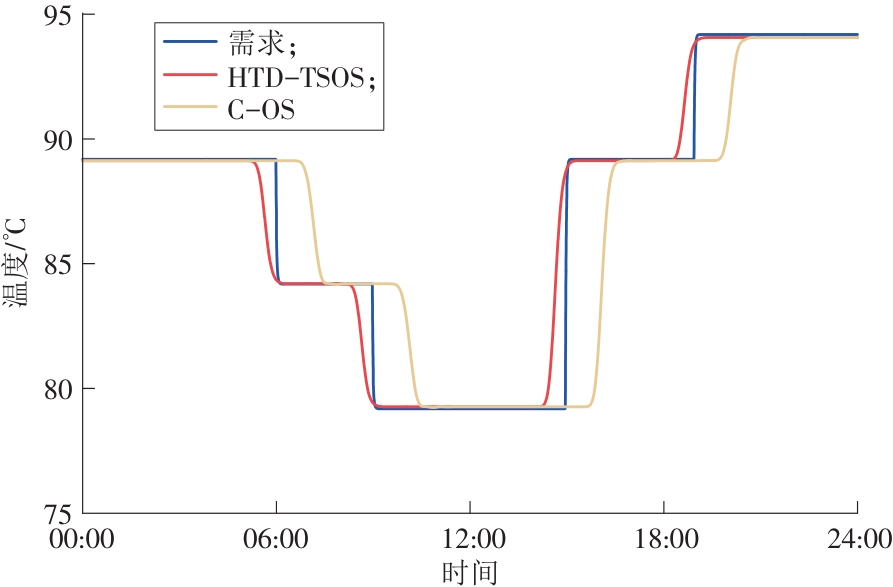
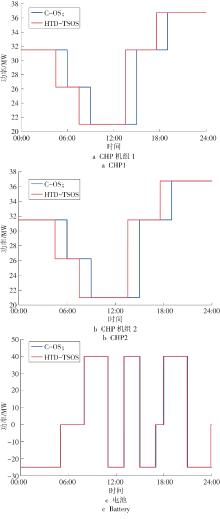
Fig.8
Comparison of scheduling results
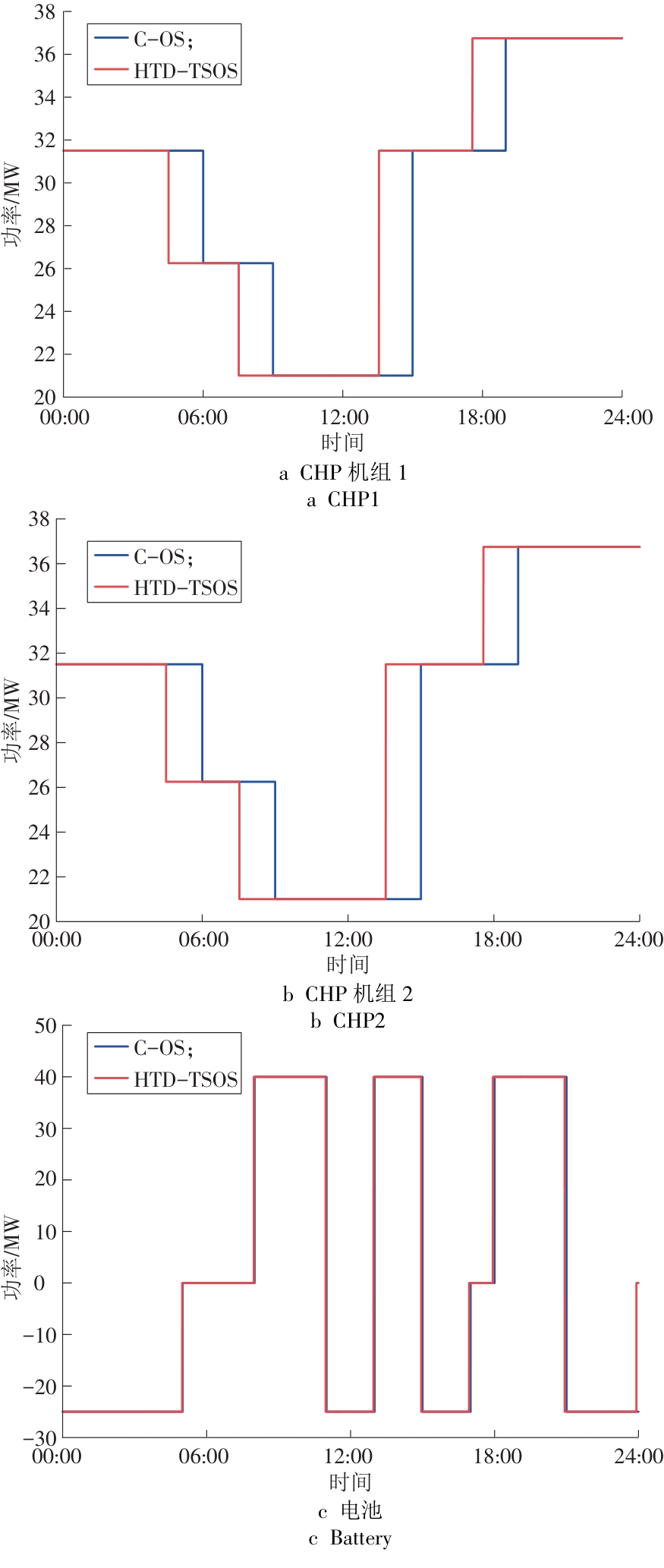
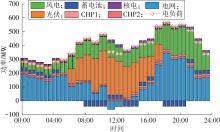
Fig.9
Power system supply-demand response
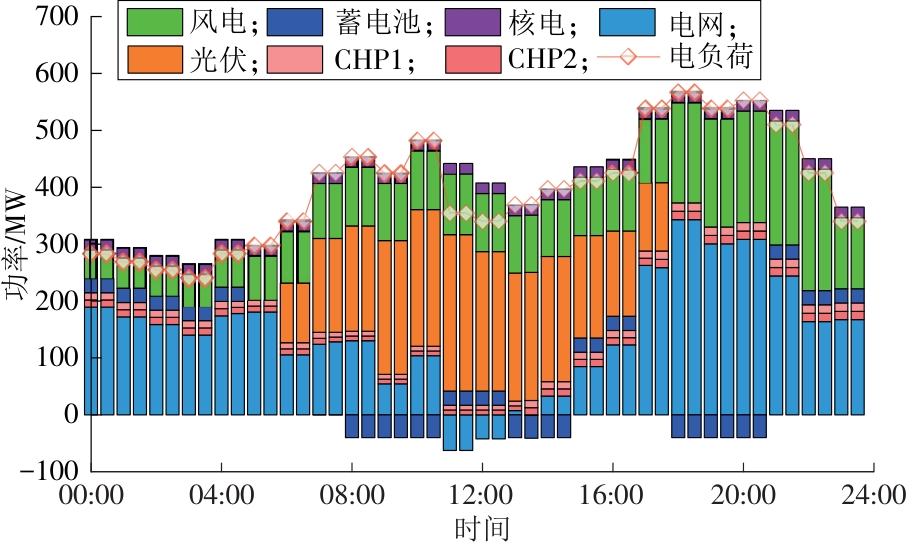
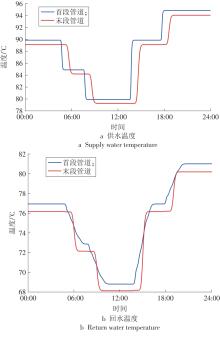
Fig.10
Supply and return water temperature curves of heating network
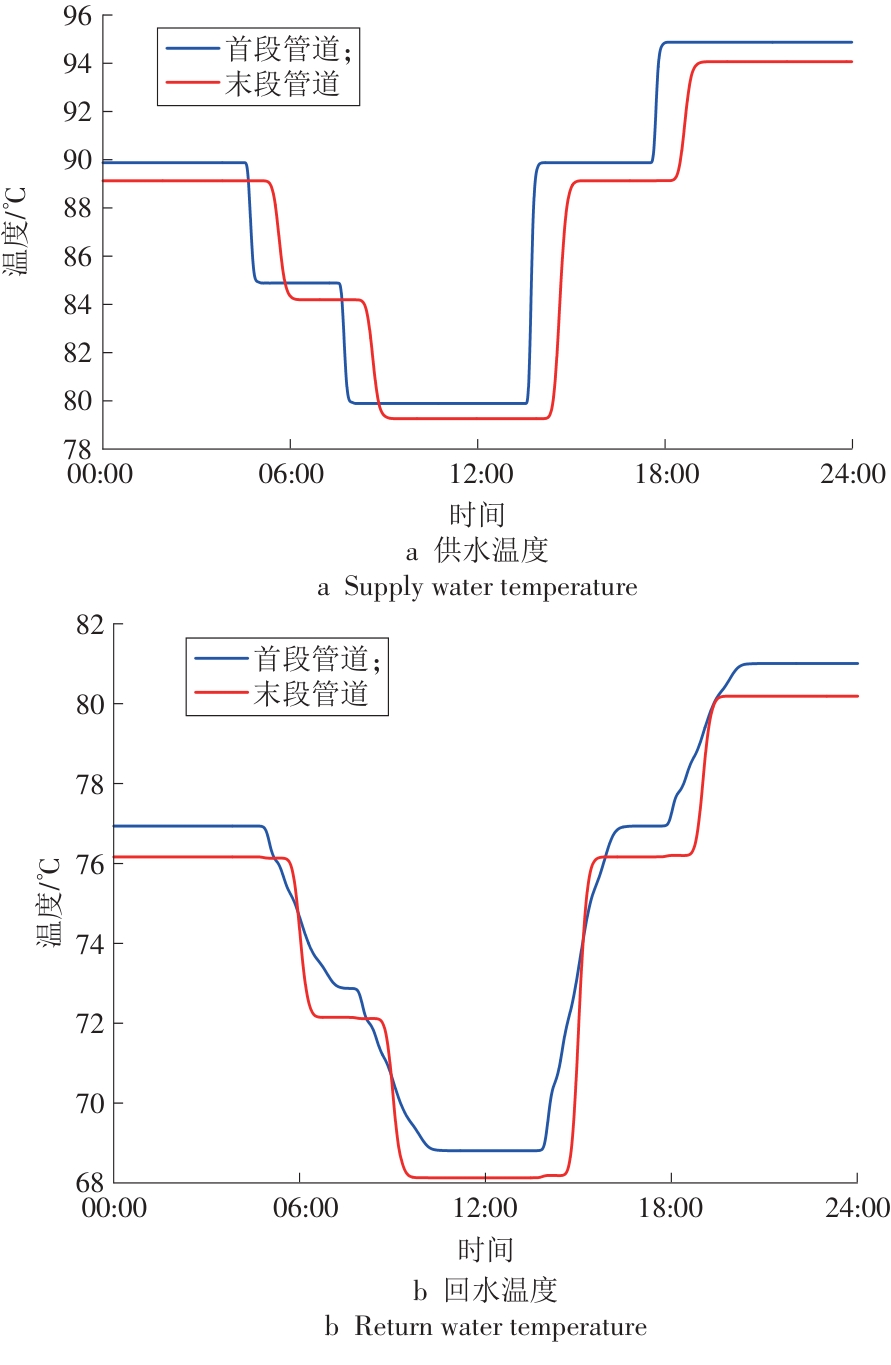
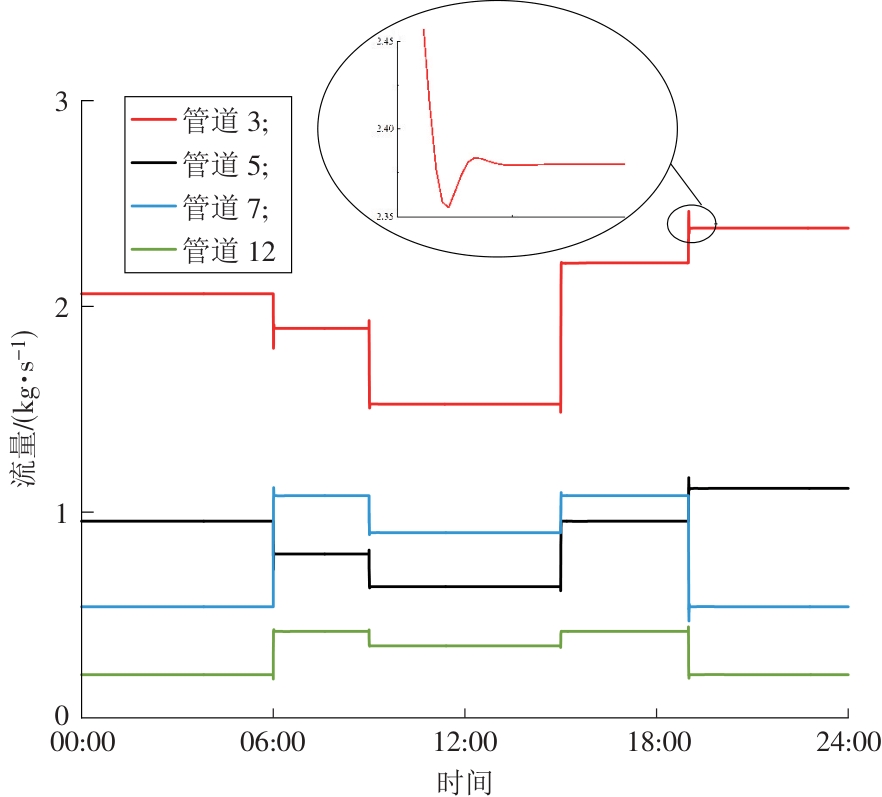
Fig.11
Mass flow rate curves of natural gas pipeline network
| [1] | 陈飞雄, 颜熙颖, 邵振国, 等. 综合能源系统建模与能流计算方法研究综述[J]. 高电压技术, 2024, 50(4): 1376-1391. |
| CHEN Feixiong, YAN Xiying, SHAO Zhenguo, et al. Review on modeling and energy flow calculation methods for integrated energy systems[J]. High Voltage Engineering, 2024, 50(4): 1376-1391. | |
| [2] |
LIU L, WANG D, HOU K, et al. Region model and application of regional integrated energy system security analysis[J]. Applied Energy, 2020, 260: 114268.
doi: 10.1016/j.apenergy.2019.114268 |
| [3] |
宋坤, 顾文波. 考虑不确定性的综合能源系统建模及优化研究进展[J]. 综合智慧能源, 2025, 47(7): 32-43.
doi: 10.3969/j.issn.2097-0706.2025.07.004 |
|
SONG Kun, GU Wenbo. Research progress on modeling and optimization of integrated energy systems considering uncertainty[J]. Integrated Intelligent Energy, 2025, 47(7): 32-43.
doi: 10.3969/j.issn.2097-0706.2025.07.004 |
|
| [4] |
SONG D R, MENG W Q, DONG M, et al. A critical survey of integrated energy system: Summaries, methodologies and analysis[J]. Energy Conversion and Management, 2022, 266: 115863.
doi: 10.1016/j.enconman.2022.115863 |
| [5] | 张苏涵. 综合能源系统时域统一建模理论及其应用[D]. 南京: 东南大学, 2023. |
| ZHANG Suhan. Unified modeling of integrated energy system in time domain: Theory and its applications[D]. Nanjing: Southeast University, 2023. | |
| [6] | 王佳蕊, 李德鑫, 冷峻, 等. 电-气-氢-热-风-光耦合综合能源系统分层级Energy Hub建模方法[J]. 可再生能源, 2023, 41(8): 1080-1088. |
| WANG Jiarui, LI Dexin, LENG Jun, et al. Hierarchical Energy Hub modeling method for electricity/gas/hydrogen/heat/wind/solar energy coupled integrated energy systems[J]. Renewable Energy Resources, 2023, 41(8): 1080-1088. | |
| [7] | CUI Z L, CHEN J, LIU C Y, et al. Time-domain continuous power flow calculation of electricity-gas integrated energy system considering the dynamic process of gas network[J]. Energy Reports, 2022, 8: 597-605. |
| [8] |
LIU H, LI Y, CAO Y J. Operational risk assessment of electric-gas integrated energy systems considering N-1 accidents[J]. Energies, 2020, 13(5): 1208.
doi: 10.3390/en13051208 |
| [9] |
窦翔, 李卓群, 张哲, 等. 基于CNN-BiLSTM-RF-KDE的综合能源系统负荷预测[J]. 综合智慧能源, 2025, 47(9): 60-70.
doi: 10.3969/j.issn.2097-0706.2025.09.007 |
|
DOU Xiang, LI Zhuoqun, ZHANG Zhe, et al. Load forecasting for integrated energy systems based on CNN-BiLSTM-RF-KDE[J]. Integrated Intelligent Energy, 2025, 47(9): 60-70.
doi: 10.3969/j.issn.2097-0706.2025.09.007 |
|
| [10] | 潘昭光, 孙宏斌, 郭庆来. 面向能源互联网的多能流静态安全分析方法[J]. 电网技术, 2016, 40(6): 1627-1634. |
| PAN Zhaoguang, SUN Hongbin, GUO Qinglai. Energy Internet oriented static security analysis method for multi-energy flow[J]. Power System Technology, 2016, 40(6): 1627-1634. | |
| [11] |
ZHAI J, ZHOU X X, LI Y L. Analysis of natural gas flow reversal in integrated energy system based on dynamic simulation[J]. Energy Reports, 2021, 7: 1149-1158.
doi: 10.1016/j.egyr.2021.09.152 |
| [12] |
CHEN X, WANG C F, WU Q W, et al. Optimal operation of integrated energy system considering dynamic heat-gas characteristics and uncertain wind power[J]. Energy, 2020, 198: 117270.
doi: 10.1016/j.energy.2020.117270 |
| [13] |
LIU X Z, MANCARELLA P. Modelling, assessment and Sankey diagrams of integrated electricity-heat-gas networks in multi-vector district energy systems[J]. Applied Energy, 2016, 167: 336-352.
doi: 10.1016/j.apenergy.2015.08.089 |
| [14] |
WANG L X, ZHENG J H, LI M S, et al. Multi-time scale dynamic analysis of integrated energy systems: An individual-based model[J]. Applied Energy, 2019, 237: 848-861.
doi: 10.1016/j.apenergy.2019.01.045 |
| [15] |
DOU C X, ZHOU X H, ZHANG T F, et al. Economic optimization dispatching strategy of microgrid for promoting photoelectric consumption considering cogeneration and demand response[J]. Journal of Modern Power Systems and Clean Energy, 2020, 8(3): 557-563.
doi: 10.35833/MPCE.2019.000214 |
| [16] | XIANGWU YAN R L. Flexible coordination optimization scheduling of active distribution network with smart load[J]. IEEE Access, 2020(8): 59145-59157. |
| [17] | 张瀚公, 谢丽蓉, 王层层, 等. 考虑氢能多元利用的综合能源系统低碳灵活调度[J]. 中国电力, 2025, 58(7): 38-53. |
| ZHANG Hangong, XIE Lirong, WANG Cengceng, et al. Low-carbon and flexible scheduling of integrated energy systems considering multi-utilization of hydrogen energy[J]. Electric Power, 2025, 58(7): 38-53. | |
| [18] | 粟世玮, 吴仕龙, 李咸善, 等. 考虑生物质-太阳能耦合的综合能源系统冷热电优化调度[J/OL]. 南方电网技术, 2025: 1-14 [2025-06-04](2026-01-10). https://link.cnki.net/urlid/44.1643.tk.20250604.0927.004. |
| SU Shiwei, WU Shilong, LI Xianshan, et al. Optimal scheduling of cooling, heating and power for integrated energy systems considering biomass-solar coupling[J/OL]. Southern Power System Technology, 2025: 1-14 [2025-06-04] (2026-01-10). https://link.cnki.net/urlid/44.1643.tk.20250604.0927.004. | |
| [19] | 范俊秋, 袁龙, 张靖, 等. 耦合源-荷多元预测与电热混合储能区域综合能源系统的优化调度[J]. 电网与清洁能源, 2025, 41(3): 135-144. |
| FAN Junqiu, YUAN Long, ZHANG Jing, et al. Optimal scheduling of regional integrated energy systems based on coupling multiple load prediction and electric-thermal hybrid energy storage[J]. Power System and Clean Energy, 2025, 41(3): 135-144. | |
| [20] |
章哲玮, 蔺琪蒙, 熊鑫, 等. 考虑多能特性差异的综合能源系统异步优化预测控制[J]. 动力工程学报, 2025, 45(2): 307-314, 324.
doi: 10.19805/j.cnki.jcspe.2025.230722 |
|
ZHANG Zhewei, LIN Qimeng, XIONG Xin, et al. Predictive control with asynchronous optimization for integrated energy systems considering difference in multi-energy dynamic characteristics[J]. Journal of Chinese Society of Power Engineering, 2025, 45(2): 307-314, 324.
doi: 10.19805/j.cnki.jcspe.2025.230722 |
|
| [21] |
邹鑫, 陈丹昊, 邹爱孟, 等. 考虑多种负荷需求响应的综合能源系统优化运行[J]. 动力工程学报, 2025, 45(1): 154-164.
doi: 10.19805/j.cnki.jcspe.2025.230647 |
|
ZOU Xin, CHEN Danhao, ZOU Aimeng, et al. Optimized operation of integrated energy systems considering multiple load demand response[J]. Journal of Chinese Society of Power Engineering, 2025, 45(1): 154-164.
doi: 10.19805/j.cnki.jcspe.2025.230647 |
|
| [22] | 韩晓娟, 王祖冉, 李浩源, 等. 计及多场景协同降碳的园区综合能源系统主从博弈-鲁棒优化调度[J/OL]. 太阳能学报, 2025: 1-15 [2025-03-21] (2026-01-10). https://doi.org/10.19912/j.0254-0096.tynxb.2025-0295. |
| HAN Xiaojuan, WANG Zuran, LI Haoyuan, et al. Master-slave game-robust optimal scheduling of integrated energy systems in parks with multi-scenarios for carbon reduction[J/OL]. Acta Energiae Solaris Sinica, 2025: 1-15 [2025-03-21] (2026-01-10). https://doi.org/10.19912/j.0254-0096.tynxb.2025-0295. | |
| [23] |
SHEN Y, LIANG X Y, HU W, et al. Optimal dispatch of regional integrated energy system based on a generalized energy storage model[J]. IEEE Access, 2020, 9: 1546-1555.
doi: 10.1109/Access.6287639 |
| [24] |
GU W, WANG J, LU S, et al. Optimal operation for integrated energy system considering thermal inertia of district heating network and buildings[J]. Applied Energy, 2017, 199: 234-246.
doi: 10.1016/j.apenergy.2017.05.004 |
| [25] |
WANG J X, ZHONG H W, MA Z M, et al. Review and prospect of integrated demand response in the multi-energy system[J]. Applied Energy, 2017, 202: 772-782.
doi: 10.1016/j.apenergy.2017.05.150 |
| [26] |
GU W, LU S, WU Z, et al. Residential CCHP microgrid with load aggregator: Operation mode, pricing strategy, and optimal dispatch[J]. Applied Energy, 2017, 205: 173-186.
doi: 10.1016/j.apenergy.2017.07.045 |
| [27] | TIAN X T, LIN X J, ZHONG W, et al. Optimal dispatch of integrated electricity and heating systems considering the quality-quantity regulation of heating systems to promote renewable energy consumption[J]. Energy, 2024, 300: 131599. |
| [28] | WANG M X, ZHAO H R, LIU C Y, et al. Refined multi-time scale optimal scheduling of dynamic integrated energy system based on superposition of energy flow response[J]. Applied Energy, 2025, 380: 125071. |
| [29] |
XU J, WANG X Y, GU Y J, et al. A data-based day-ahead scheduling optimization approach for regional integrated energy systems with varying operating conditions[J]. Energy, 2023, 283: 128534.
doi: 10.1016/j.energy.2023.128534 |
| [30] |
XIE Z C, WANG H C, HUA P M, et al. Dynamic thermal simulation of a tree-shaped district heating network based on discrete event simulation[J]. Energy, 2024, 313: 133775.
doi: 10.1016/j.energy.2024.133775 |
| [31] |
WESTPHAL J, BRUNNEMANN J, SPEERFORCK A. Enabling the dynamic simulation of an unaggregated, meshed district heating network with several thousand substations[J]. Energy, 2025, 322: 135434.
doi: 10.1016/j.energy.2025.135434 |
| [1] | XU Juan, LI Chao, ZHAI Rongrong. Typical daily performance analysis of a wind-photovoltaic-gas complementary integrated energy system [J]. Integrated Intelligent Energy, 2026, 48(6): 105-114. |
| [2] | ZHU Lijuan, LIU Jiying, YU Mingzhi, YANG Kaimin, MAO Yudong. Optimal scheduling of integrated energy systems based on improved CNN-LSTM and multi-objective RIME algorithm [J]. Integrated Intelligent Energy, 2026, 48(4): 35-46. |
| [3] | WANG Zixuan, HAO Yu, LIU Xingchen, SUN Weinan, LIU Lin, ZHANG Yi. Distributed robust low-carbon optimization model for integrated energy systems driven by historical data [J]. Integrated Intelligent Energy, 2026, 48(3): 47-55. |
| [4] | ZHANG Yang, TAO Shenghu, LIU Qi. Carbon pathway analysis and integrated energy management strategy considering rural energy consumption diversity [J]. Integrated Intelligent Energy, 2026, 48(3): 56-64. |
| [5] | XU Cong, XU Jingjing, JIANG Ting, XUE Dong, YAN Lichen. Research on data-driven operation optimization of integrated energy systems [J]. Integrated Intelligent Energy, 2026, 48(1): 34-42. |
| [6] | PAN Lei, DING Yunfei, PANG Yi, WANG Yuxuan, CHEN Jianwei, GAO Rui, ZHANG Liyang. Optimal scheduling strategy for REHMIS-IES based on SC-SAC algorithm [J]. Integrated Intelligent Energy, 2026, 48(1): 43-58. |
| [7] | XUE Dong, XU Jingjing, JIANG Ting, WANG Xiaohai, XU Cong. Research on heat load prediction of integrated energy systems in parks based on dual feature processing [J]. Integrated Intelligent Energy, 2026, 48(1): 59-66. |
| [8] | DOU Xiang, LI Zhuoqun, ZHANG Zhe, WEN Xin, ZHAO Bo, HAN Yan, ZHONG Sheng. Load forecasting for integrated energy systems based on CNN-BiLSTM-RF-KDE [J]. Integrated Intelligent Energy, 2025, 47(9): 60-70. |
| [9] | TAN Jiaqun, LYU Ruxuan, JU Hongjin, HONG Chunxue, XIAO Haiping, LEI Jing, HAN Zhenxing. Research on optimal scheduling strategy of wind-photovoltaic-thermal-storage integrated energy system based on IBES [J]. Integrated Intelligent Energy, 2025, 47(8): 68-76. |
| [10] | SONG Kun, GU Wenbo. Research progress on modeling and optimization of integrated energy systems considering uncertainty [J]. Integrated Intelligent Energy, 2025, 47(7): 32-43. |
| [11] | CHEN Liang, LIU Guiying, SU Shiping, TANG Changjiu, WANG Chenhao, GUO Sitong. Coordinated optimization scheduling of integrated energy system based on PER-MADDPG algorithm with two-layer network [J]. Integrated Intelligent Energy, 2025, 47(7): 44-54. |
| [12] | XING Zuoxia, ZHAO Ziyi, SUN Hao, ZHANG Pengfei, FU Qitong. Research on low-carbon economic operation optimization of integrated energy systems based on multi-level utilization of hydrogen production from electricity [J]. Integrated Intelligent Energy, 2025, 47(7): 71-81. |
| [13] | ZHANG Debin, LIN Wenye, HE Zixuan, YUE Xinru, SONG Wenji, FENG Ziping, FARID Mohammed Mehdi, USHAK DE GRAGEDA Svetlana Nikolaevna. Day-ahead dispatch optimization for integrated energy system in building prosumer community using generalized energy storage [J]. Integrated Intelligent Energy, 2025, 47(7): 82-92. |
| [14] | CHEN Hao, MA Gang, QIAN Da, MA Jian, PENG Leyao. Optimization of regional integrated energy systems under green certificate and carbon trading mechanism considering tiered demand response [J]. Integrated Intelligent Energy, 2025, 47(5): 21-30. |
| [15] | JI Zhenya, ZHENG Shuaishuai, XU Jinxing, LIU Xiaofeng, BAO Yuqing. Scheduling of integrated energy system with demand response considering carbon-green certificate joint trading [J]. Integrated Intelligent Energy, 2025, 47(5): 41-50. |
| Viewed | ||||||
|
Full text |
|
|||||
|
Abstract |
|
|||||